Miisaan qaadashada caadiga ah ee uurka waa inta u dhaxaysa 10-12.5kg (22-28lb). Xisaabi BMI-gaaga (Tusmada Mass Index) oo leh xisaabiyaha BMI ee hoose, adoo adeegsanaya miisaankaaga uurka ka hor. Haddii aad ku bilowdo uurkaaga BMI sare (in ka badan 35) ama BMI hoose (18 ama ka yar) umulisadaada ama GP-gaaga ayaa ku siin kara talo gaar ah oo ku saabsan miisaan luminta.
During pregnancy your midwife or doctor will be checking to ensure that your baby is growing well. This is done at defined stages in the pregnancy, either by measuring your bump with a tape measure or by routine ultrasound scans. If there is a concern about the growth of your bump you may be referred for a growth scan. Your baby’s progress is plotted on a chart by the person taking the measurement (midwife, doctor or sonographer).If your baby is found to be growing smaller than expected you may require additional ultrasound scans and antenatal appointments to monitor your baby’s wellbeing.
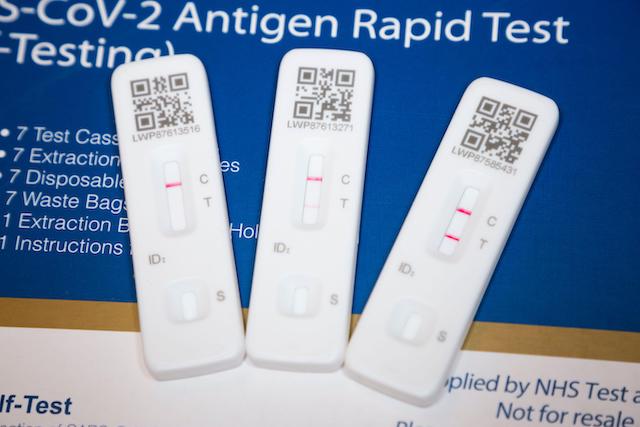
If you test positive for COVID-19 outside of a hospital setting, you should contact your community midwife or maternity team to make them aware of your diagnosis. If you have no symptoms or mild symptoms, you will be advised to recover at home. If you have more severe symptoms, you might be treated in hospital.In most cases Covid during pregnancy is a mild viral illness. It is advisable to keep well hydrated and to monitor your temperature. Low temperature (less than 36 degrees) or high temperature (above 37.5 degrees) should be notified to your maternity team.If you feel your symptoms are worsening or if you are not getting better, you should contact your maternity care team, your GP, or use the NHS 111 online service/NHS 24 for further information and advice. In an emergency, call 999.If you develop more severe symptoms or your recovery is delayed, this may be a sign that you are developing a more significant chest infection that requires specialised care.This advice is important for all pregnant women/birthing people, but particularly if you are at higher risk of becoming seriously unwell and being admitted to hospital. This includes women who are in their third trimester, from a Black, Asian or minority ethnic background, over the age of 35, overweight or obese, or have a pre-existing medical problem, such as high blood pressure or diabetes.If you have concerns about the well-being of yourself or your unborn baby during your illness, contact your community midwife or, if out-of-hours, your maternity team. They will provide further advice, including whether you need to attend hospital.
Once you are admitted to the postnatal ward or discharged home from hospital to the care of the community midwife, you can expect that your body will need some time to recover from the birth. Midwives, maternity support workers or nurses may be involved in your care and will carry out routine checks to ensure that you are well. This will include a regular top to toe physical check, including inspection of sutures (stitches).If you have had a vaginal birth you will be offered pain relief. Read “Commonly used medicines” to find out what painkillers are routinely offered. Read “After pains” and “Perineal after-care” which explains how you can help yourself if you are experiencing after pains or if you have had an episiotomy (cut) or a perineal tear. If you have had an assisted delivery you may need to have a urinary catheter for a few hours. Read “Passing urine” for more information.It is important to eat well and drink plenty of fluids to promote health and wellbeing after any type of birth.

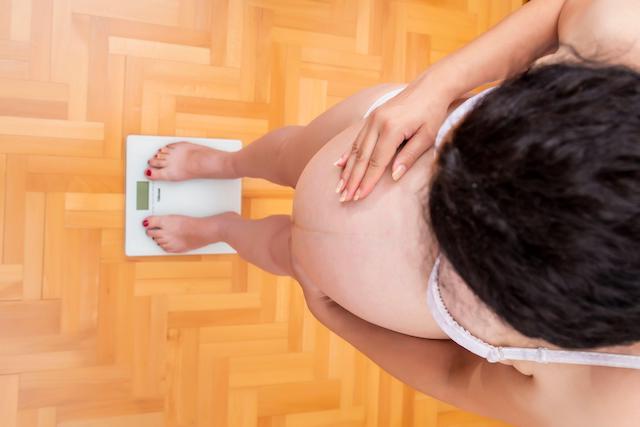
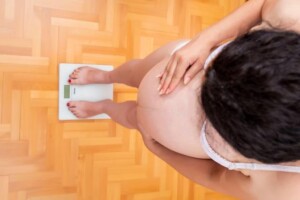 Miisaan qaadashada caadiga ah ee uurka waa inta u dhaxaysa 10-12.5kg (22-28lb). Xisaabi BMI-gaaga (Tusmada Mass Index) oo leh xisaabiyaha BMI ee hoose, adoo adeegsanaya miisaankaaga uurka ka hor. Haddii aad ku bilowdo uurkaaga BMI sare (in ka badan 35) ama BMI hoose (18 ama ka yar) umulisadaada ama GP-gaaga ayaa ku siin kara talo gaar ah oo ku saabsan miisaan luminta.