
कम सामान्य गर्भावस्था जटिलताएँ
 यदि आपको गर्भावधि मधुमेह, प्री-एक्लेमप्सिया या गर्भावस्था के इंट्राहेपेटिक कोलेस्टेसिस के कोई लक्षण हैं, तो तुरंत अपने मातृत्व परीक्षण/मूल्यांकन इकाई को कॉल करें।
यदि आपको गर्भावधि मधुमेह, प्री-एक्लेमप्सिया या गर्भावस्था के इंट्राहेपेटिक कोलेस्टेसिस के कोई लक्षण हैं, तो तुरंत अपने मातृत्व परीक्षण/मूल्यांकन इकाई को कॉल करें।
यदि आपको गर्भावधि मधुमेह, प्री-एक्लेमप्सिया या गर्भावस्था के इंट्राहेपेटिक कोलेस्टेसिस के कोई लक्षण हैं, तो तुरंत अपने मातृत्व परीक्षण/मूल्यांकन इकाई को कॉल करें।
 पहले 24 हफ्तों के दौरान गर्भावस्था की हानि गर्भपात होता है। प्रारंभिक गर्भपात गर्भावस्था के 13 सप्ताह तक होता है।
गर्भपात के लक्षणों में रक्तस्राव, असामान्य योनि स्राव, पेट के निचले हिस्से में दर्द और गर्भावस्था के लक्षणों में कमी शामिल हो सकते हैं।
पहली तिमाही कई कारणों से एक चिंताजनक समय हो सकता है, जिनमें से एक यह चिंता का विषय हो सकता है कि गर्भावस्था जारी रहेगी या नहीं। अफसोस की बात है कि पांच में से एक शुरुआती गर्भधारण गर्भपात में समाप्त हो जाएगें।
गर्भावस्था के किसी भी चरण में बच्चे को खो देना माता-पिता दोनों के लिए दिल दहलानेवाला हो सकता है। इससे कोई फर्क नहीं पड़ता कि गर्भावस्था के कितने समय बाद ये हुआ, या गर्भावस्था नियोजित थी या नहीं, नुकसान की अनुभूति बहुत प्रगाढ़ हो सकती है। यह याद रखना महत्वपूर्ण है कि हर कोई हानि से अलग तरह से निपटता है और आपने बच्चे के लिए शोक करना ठीक है। ऐसे कई संगठन हैं जो हानि को झेलने वाले माता-पिता के लिए विशेषज्ञ सहायता और जानकारी प्रदान कर सकते हैं।
हालांकि गर्भावस्था के सफल नहीं हो सकने के कई कारण होते हैं, पहली तिमाही में अधिकांश गर्भपात गुणसूत्रों की समस्या के कारण होते हैं, जिसका अर्थ है कि बच्चा कभी विकसित नहीं हो सकता था, न कि माँ के द्वारा किए गए या नहीं किए गए किसी काम के कारण । जिन महिलाओं को बच्चे की हानि होती है, उनमें से अधिकांश भविष्य में सफल गर्भधारण करती हैं।
एक अल्ट्रासाउंड स्कैन द्वारा गर्भपात का निदान किया जा सकता है। आपको रात भर प्रसूति यूनिट में रुकने की आवश्यकता हो सकती है लेकिन अधिकांश महिलाएं उसी दिन घर जा सकती हैं। आपको एक डॉक्टर, नर्स या दाई से जो प्रारंभिक गर्भावस्था में विशेषज्ञता रखते है, अनुवर्ती कार्यवाही प्राप्त होगी।
यह राय दी जाती है कि आप अपने प्रसूति देखभाल प्रदाता (प्रसव पूर्व क्लिनिक) को अपने गर्भपात के बारे में सूचित करें, यदि वे जागरूक नहीं हैं। आप अपने डिवाइस से मम एन्ड बेबी ऐप को हटाना चाह सकती हैं।
पहले 24 हफ्तों के दौरान गर्भावस्था की हानि गर्भपात होता है। प्रारंभिक गर्भपात गर्भावस्था के 13 सप्ताह तक होता है।
गर्भपात के लक्षणों में रक्तस्राव, असामान्य योनि स्राव, पेट के निचले हिस्से में दर्द और गर्भावस्था के लक्षणों में कमी शामिल हो सकते हैं।
पहली तिमाही कई कारणों से एक चिंताजनक समय हो सकता है, जिनमें से एक यह चिंता का विषय हो सकता है कि गर्भावस्था जारी रहेगी या नहीं। अफसोस की बात है कि पांच में से एक शुरुआती गर्भधारण गर्भपात में समाप्त हो जाएगें।
गर्भावस्था के किसी भी चरण में बच्चे को खो देना माता-पिता दोनों के लिए दिल दहलानेवाला हो सकता है। इससे कोई फर्क नहीं पड़ता कि गर्भावस्था के कितने समय बाद ये हुआ, या गर्भावस्था नियोजित थी या नहीं, नुकसान की अनुभूति बहुत प्रगाढ़ हो सकती है। यह याद रखना महत्वपूर्ण है कि हर कोई हानि से अलग तरह से निपटता है और आपने बच्चे के लिए शोक करना ठीक है। ऐसे कई संगठन हैं जो हानि को झेलने वाले माता-पिता के लिए विशेषज्ञ सहायता और जानकारी प्रदान कर सकते हैं।
हालांकि गर्भावस्था के सफल नहीं हो सकने के कई कारण होते हैं, पहली तिमाही में अधिकांश गर्भपात गुणसूत्रों की समस्या के कारण होते हैं, जिसका अर्थ है कि बच्चा कभी विकसित नहीं हो सकता था, न कि माँ के द्वारा किए गए या नहीं किए गए किसी काम के कारण । जिन महिलाओं को बच्चे की हानि होती है, उनमें से अधिकांश भविष्य में सफल गर्भधारण करती हैं।
एक अल्ट्रासाउंड स्कैन द्वारा गर्भपात का निदान किया जा सकता है। आपको रात भर प्रसूति यूनिट में रुकने की आवश्यकता हो सकती है लेकिन अधिकांश महिलाएं उसी दिन घर जा सकती हैं। आपको एक डॉक्टर, नर्स या दाई से जो प्रारंभिक गर्भावस्था में विशेषज्ञता रखते है, अनुवर्ती कार्यवाही प्राप्त होगी।
यह राय दी जाती है कि आप अपने प्रसूति देखभाल प्रदाता (प्रसव पूर्व क्लिनिक) को अपने गर्भपात के बारे में सूचित करें, यदि वे जागरूक नहीं हैं। आप अपने डिवाइस से मम एन्ड बेबी ऐप को हटाना चाह सकती हैं।


 अपने बच्चे के साथ त्वचा से त्वचा के संपर्क के दौरान, वह समय से पहले फ़ीड कराने के संकेत दिखा सकता है। जन्म के कुछ समय बाद ही आपकी दाई आपके बच्चे को दूध पिलाने में आपकी मदद करेगी। कुछ बच्चे जन्म के तुरंत बाद दूध पीना चाहते हैं, जबकि अन्य को यह संकेत दिखाने में कई घंटे लग जाते हैं कि वे दूध पीने के लिए तैयार हैं।
Some babies are alert after the birth, whilst others may become sleepy. When holding your baby ensure that their nose and mouth remains unobstructed by your body, towels or clothing.
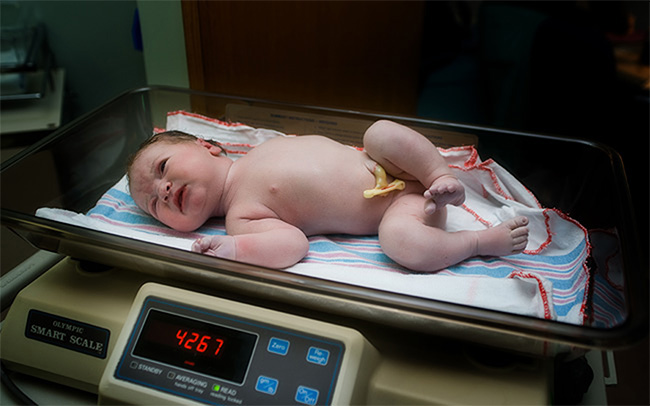
आपके बच्चे के वजन की जांच की जाएगी, और एक दाई या नवजात चिकित्सक किसी भी बड़ी असामान्यता को खारिज़ करने के लिए ऊपर से पैर तक उसकी जांच करेगा। आपके बच्चे को विटामिन K की खुराक दी जाएगी।
कुछ दुर्लभ मामलों में, आपके बच्चे को विशेष उपचार के लिए कुछ समय के लिए नवजात यूनिट में स्थानांतरित करने की आवश्यकता हो सकती है। यह समय पूर्व जन्म लेने वाले, बहुत छोटे, संक्रमण के साथ या विशेष रूप से जटिल जन्म के माध्यम से जन्म लेने वाले बच्चों में अधिक आम है। यदि आपके साथ ऐसा होता है, तो आपको अपनी प्रसूति टीम से भरपूर सहयोग और सहायता मिलेगी।
अपने बच्चे के साथ त्वचा से त्वचा के संपर्क के दौरान, वह समय से पहले फ़ीड कराने के संकेत दिखा सकता है। जन्म के कुछ समय बाद ही आपकी दाई आपके बच्चे को दूध पिलाने में आपकी मदद करेगी। कुछ बच्चे जन्म के तुरंत बाद दूध पीना चाहते हैं, जबकि अन्य को यह संकेत दिखाने में कई घंटे लग जाते हैं कि वे दूध पीने के लिए तैयार हैं।
Some babies are alert after the birth, whilst others may become sleepy. When holding your baby ensure that their nose and mouth remains unobstructed by your body, towels or clothing.
आपके बच्चे के वजन की जांच की जाएगी, और एक दाई या नवजात चिकित्सक किसी भी बड़ी असामान्यता को खारिज़ करने के लिए ऊपर से पैर तक उसकी जांच करेगा। आपके बच्चे को विटामिन K की खुराक दी जाएगी।
कुछ दुर्लभ मामलों में, आपके बच्चे को विशेष उपचार के लिए कुछ समय के लिए नवजात यूनिट में स्थानांतरित करने की आवश्यकता हो सकती है। यह समय पूर्व जन्म लेने वाले, बहुत छोटे, संक्रमण के साथ या विशेष रूप से जटिल जन्म के माध्यम से जन्म लेने वाले बच्चों में अधिक आम है। यदि आपके साथ ऐसा होता है, तो आपको अपनी प्रसूति टीम से भरपूर सहयोग और सहायता मिलेगी।
 Around 30% of women are recommended an induction of labour for various reasons.
Depending on assessments done throughout your pregnancy, you may be offered an induction. To enable you to make a fully informed decision, your midwife or obstetrician will provide you with information regarding the risks and benefits of induction. They will discuss the different methods of induction and suggest which may be best based on your personal circumstances. Considering the different methods will enable you to advise your healthcare professional of your preference.
When you come into the maternity unit for your induction, a midwife will undertake a full assessment of you and your baby. This will include electronic monitoring (CTG) of your baby’s heartbeat and any contractions that you may be having. Your midwife will assess your cervix by undertaking a vaginal examination. You will have plenty of time to ask any questions, and your midwife will take you through your options and what to expect in detail.
Some people may need only one of the steps below, and others will need a combination to go into active labour (4cm dilated with strong, regular contractions). Induction may be a long process which can be frustrating, however the aim is to mimic the body’s natural process in the best way possible.
Around 30% of women are recommended an induction of labour for various reasons.
Depending on assessments done throughout your pregnancy, you may be offered an induction. To enable you to make a fully informed decision, your midwife or obstetrician will provide you with information regarding the risks and benefits of induction. They will discuss the different methods of induction and suggest which may be best based on your personal circumstances. Considering the different methods will enable you to advise your healthcare professional of your preference.
When you come into the maternity unit for your induction, a midwife will undertake a full assessment of you and your baby. This will include electronic monitoring (CTG) of your baby’s heartbeat and any contractions that you may be having. Your midwife will assess your cervix by undertaking a vaginal examination. You will have plenty of time to ask any questions, and your midwife will take you through your options and what to expect in detail.
Some people may need only one of the steps below, and others will need a combination to go into active labour (4cm dilated with strong, regular contractions). Induction may be a long process which can be frustrating, however the aim is to mimic the body’s natural process in the best way possible.

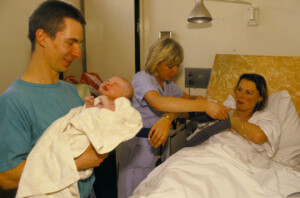 Once you are admitted to the postnatal ward or discharged home from hospital to the care of the community midwife, you can expect that your body will need some time to recover from the birth. Midwives, maternity support workers or nurses may be involved in your care and will carry out routine checks to ensure that you are well. This will include a regular top to toe physical check, including inspection of sutures (stitches).
If you have had a vaginal birth you will be offered pain relief. Read “Commonly used medicines” to find out what painkillers are routinely offered. Read “After pains” and “Perineal after-care” which explains how you can help yourself if you are experiencing after pains or if you have had an episiotomy (cut) or a perineal tear. If you have had an assisted delivery you may need to have a urinary catheter for a few hours. Read “Passing urine” for more information.
It is important to eat well and drink plenty of fluids to promote health and wellbeing after any type of birth.
Once you are admitted to the postnatal ward or discharged home from hospital to the care of the community midwife, you can expect that your body will need some time to recover from the birth. Midwives, maternity support workers or nurses may be involved in your care and will carry out routine checks to ensure that you are well. This will include a regular top to toe physical check, including inspection of sutures (stitches).
If you have had a vaginal birth you will be offered pain relief. Read “Commonly used medicines” to find out what painkillers are routinely offered. Read “After pains” and “Perineal after-care” which explains how you can help yourself if you are experiencing after pains or if you have had an episiotomy (cut) or a perineal tear. If you have had an assisted delivery you may need to have a urinary catheter for a few hours. Read “Passing urine” for more information.
It is important to eat well and drink plenty of fluids to promote health and wellbeing after any type of birth.


