Feeling faint

Feeling faint

Woman looking unwell holding a glass of water It is common to feel faint or lightheaded in pregnancy and this is often caused by standing up too quickly or lying flat on your back. Always stand up gently and when lying down try to stay on your side, particularly after 28 weeks gestation. Keeping well hydrated can reduce feeling faint. If symptoms persist, talk to your midwife or doctor.

Incontinence

Incontinence

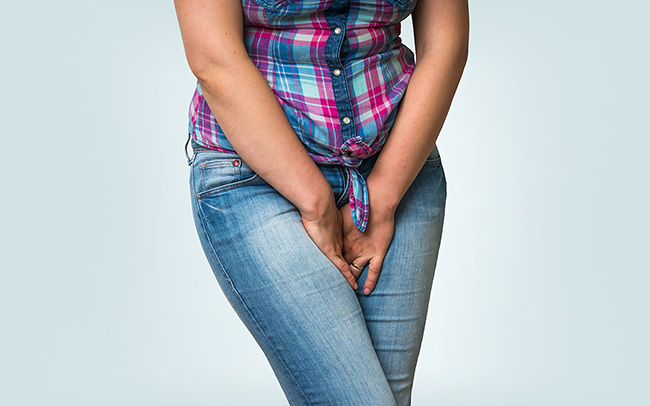
Close up woman in jeans with crossed legs and her hands on her groin area Incontinence can affect women during and immediately after pregnancy, due to the effect of hormones on the pelvic floor, and the pressure from the growing baby. Women may leak a small amount of urine when coughing, laughing, sneezing or moving suddenly. Should this happen, the first thing to do is to start your pelvic floor exercises daily. It is also helpful to contract your pelvic floor just before you cough, sneeze, lift, laugh or do an activity that causes a leak. Should the symptoms persist during pregnancy or more than six weeks after the pregnancy, ask your GP to refer you for specialist support. It is recommended that all women strengthen their pelvic floor during pregnancy to prevent and/or treat incontinence.


Urinary tract infections (UTIs)

Urinary tract infections (UTIs)

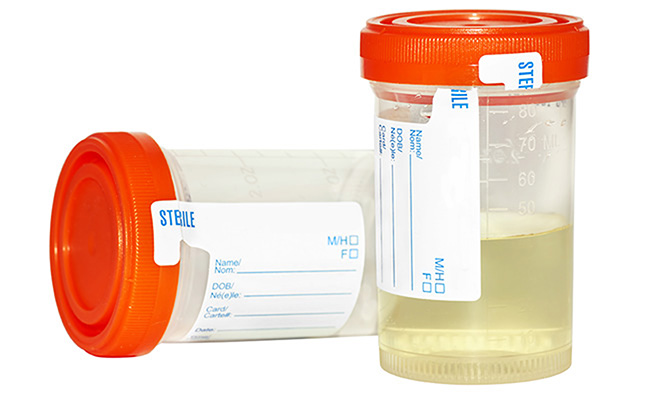
Close up of test tubes containing urine samples These are more common in pregnancy. You should look out for the signs and symptoms, and contact your GP or midwife urgently if you think you could have an infection. Symptoms include pain on passing urine, passing small amounts of urine more often than usual, or urine that is cloudy and strange smelling. Signs that you might have bacterial vaginosis (BV) are:
  • thin white or grey vaginal discharge
  • strong, fishy odour, especially after having sex
  • pain, itching or burning in or around the vagina
  • burning sensation when you urinate
Drinking plenty of water in pregnancy can help reduce the occurrence of UTIs.

Flying

Flying

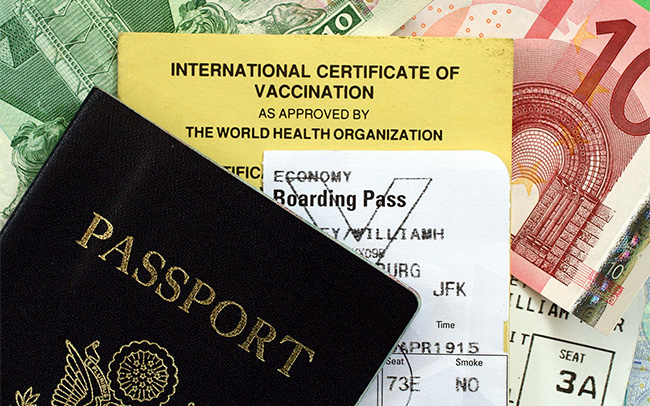
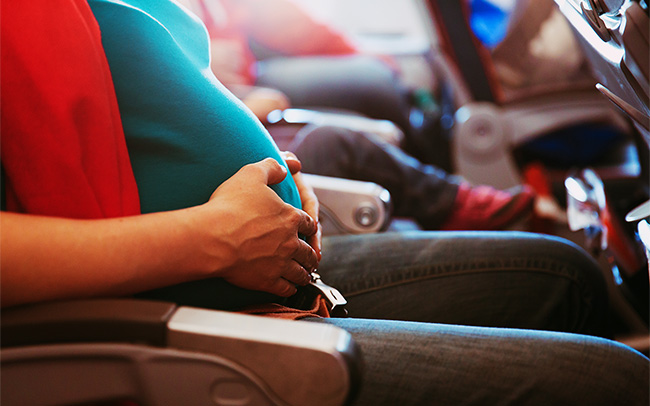
Close up of pregnant woman sitting in airline seat with her seat belt fastened underneath her bump Flying is not harmful to you or your baby, but it is important to discuss your pregnancy with your midwife or doctor before travelling by plane. The likelihood of going into labour is higher after 37 weeks and some airlines will not let you fly towards the end of pregnancy. Check with the airline directly about this. After week 28 of pregnancy, the airline may ask for a letter from your GP confirming your due date, and that you aren’t at risk of complications. Long-distance travel carries a small risk of blood clots (known as deep vein thrombosis or DVT). Discuss any long-haul travel with your doctor as you may require DVT preventative medication, particularly if you have other risk factors. When in the air, drink plenty of water and move around the cabin regularly. You can buy a pair of compression stockings from a pharmacy, which will help reduce the risk of DVT.

Car journeys

Car journeys

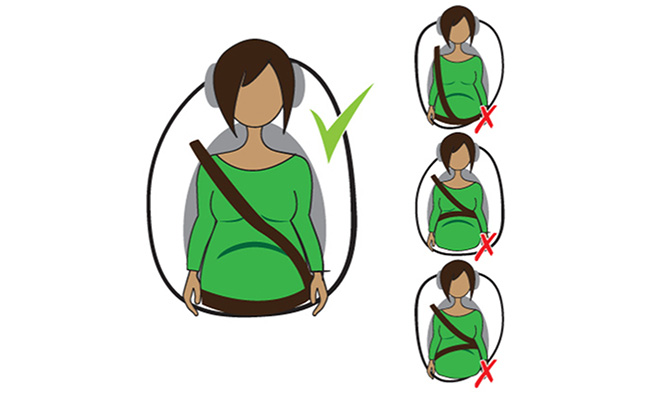
Diagram showing pregnant woman with seat belt correctly positioned with the cross strap between her breasts and the lap strap under her bump. Incorrect positions also shown. On long car journeys it is important to stop regularly for a break and to stretch your legs. Wear your seatbelt with the cross strap between your breasts and the lap strap across your pelvis under your bump, not across your bump. Road accidents are among the most common causes of injury in pregnant women. Avoid making long trips on your own and share the driving with others when possible.

Cycling

Cycling

Pregnant woman on bicycle Riding a bicycle in pregnancy should be approached with caution, due to the risk of falling which may harm you or your baby. In pregnancy your joints are less stable, your centre of gravity is altered and your reactions are slower. It might be best to avoid cycling unless you are used to cycling regularly.