Stopping work/slowing down

Stopping work/slowing down

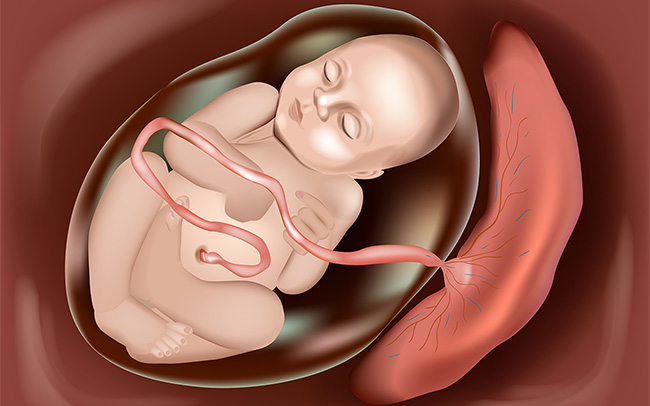
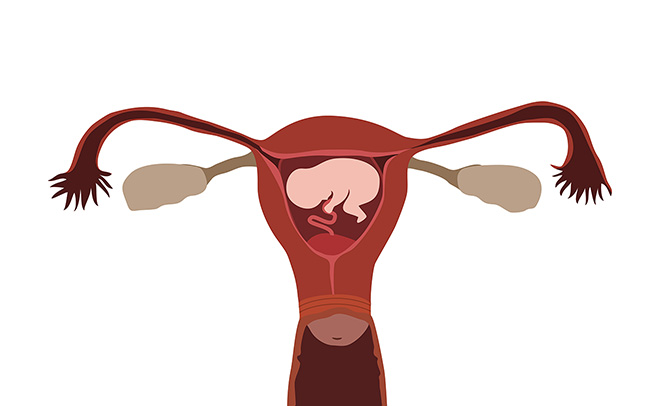
Heavily pregnant woman asleep on a sofa When you choose to stop work is a matter of personal preference, but it is worth considering your commute, your working environment, your proximity to your maternity unit and allowing time to prepare for your baby’s arrival. You can discuss this with your midwife or doctor. Towards the end of pregnancy you may feel quite tired and uncomfortable, and therefore may need help from friends or family to get things done, particularly if you have other children. It’s important to stay active but to also make time for rest, particularly if you aren’t sleeping too well.
Perineal massage

Perineal massage

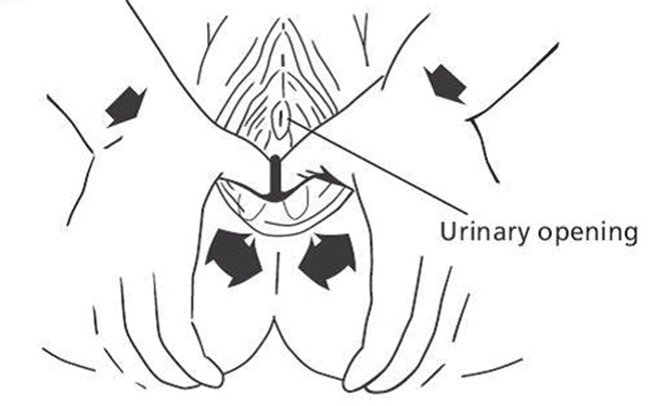
Diagram demonstarting hand positions when performing perineal massage Massaging the perineum (the area between the vagina and anus) in the later weeks of pregnancy has been shown to reduce the likelihood of tearing during birth, and of needing stitches or an episiotomy. You can start this from when you are 34 weeks pregnant and practice it daily/every other day until the birth of your baby. How to massage your perineum:
  • wash your hands
  • sit comfortably with your legs bent at the knees so you can reach your perineum easily. Use a mirror if you wish
  • massage oil (preferably vegetable-based) into the skin of the perineum using fingers and thumbs
  • place one or both thumbs inside your vagina and press downwards towards the anus. Move to each side in a U-shaped stretching movement. This may give a tingling/burning sensation
  • aim to massage the area inside the vagina, not necessarily just the skin on the outside
  • aim to apply the massage for five minutes.

Your baby’s movements

Your baby’s movements

Pregnant woman with a happy surprised expression looking down at her bump From 16-24 weeks on you should feel the baby move more and more up until 32 weeks, then stay roughly the same until you give birth. Take time to become familiar with your baby’s normal pattern of movements. You should continue to feel your baby move regularly right up until you give birth to him or her. The movements your baby makes offer reassurance that he or she is well, and therefore if you notice these movements change or reduce from what you are used to, it is important to call your midwife or attend the maternity unit urgently.
The importance of monitoring fetal movements
This video is available in many languages. Click on this link and scroll down to view the videos in English and other languages: The importance of monitoring fetal movements in 20 languages including sign language Reduced fetal movements videos
Portal: Your baby’s movements

Getting to know your baby during pregnancy

Getting to know your baby during pregnancy

Pregnant woman smiling and holding a pair of baby shoes Taking time as part of your daily routine to think about and bond with your unborn baby is known to release oxytocin, a hormone which can help your baby’s brain to develop. Babies need adults to nurture and support their development during pregnancy and their speech, language and communication beyond birth. There is lots of helpful information to support you with chatting to your bump during pregnancy and talking, singing, playing and reading with your baby after birth. You can try:
  • talking, singing, playing and looking at books with your baby, and encouraging your partner/family/other children to do the same
  • gently massaging your bump
  • having a bath
  • trying pregnancy yoga
  • practising hypnobirthing
  • playing music to your baby
  • writing a letter to your baby
  • using an app to help you understand how your baby is growing and developing, such as the Baby Buddy App.
Building a relationship with your baby

Work, maternity/paternity leave and money

Work, maternity/paternity leave and money

Woman holding a mobile phone to her ear with one hand and carrying a clip board in her other hand After your 20 week ultrasound scan, you can ask your midwife or GP for a MATB1 form. This form entitles you to statutory maternity pay from your employer or maternity allowance from Jobcentre Plus. During pregnancy/after birth you are entitled to:
  • paid time off for your antenatal appointments
  • maternity pay or maternity allowance
  • maternity leave
  • protection against unfair treatment, discrimination or dismissal.
Working partners are entitled to one or two weeks paternity leave and together you may be able to take shared parental leave. If you are not working, or you/your household is on a low income you may be entitled to maternity benefits and allowances. If you are employed, you must inform your employer that you are pregnant at least 15 weeks before your baby’s due date. When you tell your employer they must perform a risk assessment, which ensures any necessary adjustments can be made to your working environment or pattern. It is worthwhile speaking to your company’s human resource department and accessing the policy on pregnancy and maternity leave. More information on maternity/paternity leave, work, child or other benefits and money can be found in these related links:

Antenatal classes

Antenatal classes

Mothers-to-be and their birth partners attending a antenatal class Antenatal education (also known as birth preparation or parent craft classes) can help you to prepare for your baby’s birth, giving you confidence and information. You can attend these classes with your birthing partner so you can prepare together for the arrival of your baby. Antenatal education is also a good way to make friends with other parents who are expecting babies around the same time as you. These friendships can help parents through the first few months with their new baby. There are two types of class available to choose from:
  • free NHS antenatal classes available at your local maternity unit or children’s centre. Ask your midwife about these classes
  • private/independent antenatal classes.
Most antenatal classes can be started when you are around 28-32 weeks pregnant, but they can often get booked up in advance so it’s good to arrange your place early on. There are specialised antenatal classes for women expecting twins/triplets and your midwife or doctor will give you the information you need about these. Topics covered by antenatal classes include:
  • health in pregnancy, including a healthy diet
  • exercises to keep you fit and active during pregnancy
  • what happens during labour and birth
  • coping techniques for labour and information about pain relief
  • relaxation technique
  • information about the different modes of birth (vaginal, assisted with ventouse or forceps, caesarean)
  • caring for and feeding your baby
  • your health after giving birth
  • emotions and feelings during pregnancy, birth and after.
Classes can be attended by anyone – it doesn’t matter if it is your first baby or your fifth! A series of short videos have been created for those unable to attend classes in person:
Portal: Antenatal classes

Stillbirth

Stillbirth

Close up of woman's hand being enclosed by the hands of another woman to comfort her When a baby passes away after 24 weeks of pregnancy, either before or during birth, this is known as a stillbirth. Stillbirth is one of the most devastating things a family can experience, and a range of support is given through a specialist team (including midwives, obstetricians, counsellors and charities) to parents who are affected by it. This period of time may seem a complete blur, and it may seem like you have no control over the things that are happening to you and around you. You may have received the tragic news of your baby’s death and now been sent home for some time before coming into the hospital to give birth. You can talk to your midwives about what to expect to help you prepare yourself for the coming days, but here are a few things to consider.

Choices

You still have choices about many things to do with your birthing experience – these can be discussed with your midwives. If you have made a birth plan and wish to retain elements of it, your midwives will work with you to help you achieve that wherever possible – from water birth, to pain relief, to skin-to-skin, to partner cutting the umbilical cord. You may be offered a tablet to stop your milk coming in – it is your choice whether to accept it. Many mums do want this, some do not. You should be given the chance to discuss options relating to this including the opportunity to express and donate your milk – different things will be right for different parents, and this is still your journey, and you can do what is right for you.

Memory-making

Your midwives will help you have the opportunity to make memories with your baby. What memories you may choose to make are entirely your choice. There is no ‘right’ or ‘wrong’ way to go through this experience. You do not have to do everything – or anything – that you’re offered, or you can choose to do everything. You do not have to do everything at once, and you can change your mind. Your midwives will support you in any way they can. Your hospital should have a “Cuddle Cot” or “cold cot” that can help you be able to spend more time with your baby. You should be offered a memory box by your midwives. Memory boxes are like a starter kit for memory-making, with items inside that can help you capture these moments. If you choose to have one, you may continue to add to it over time or keep items from your pregnancy such as scan photos and your baby’s hospital band.

Here are some of the things you may wish to consider:

  • A pair of small teddies. Many parents like their baby to keep one, and the other to come home with them in the memory box. You may wish to give your baby one, and then switch them over before you leave so that you keep that one.
  • Inkless prints – prints of your baby’s hands and feet are often a treasured memory, and one that can be used by parents to get other memories made in the future, such as necklaces, cufflinks, or other jewellery. If you want these, you may want to take part in doing them yourselves, or you may want your midwives to do them for you.
  • Clay imprints – like the inkless prints, clay imprints are another memory that you should have the chance to participate in making if you wish, or you may wish for your midwives to do them for you. These are imprints that many parents like as it means they can trace the shape of their baby’s hands and feet with their finger, or put them in a frame – there may be a kit for this in your memory box.
  • 3D casts of hands and feet may also be offered to you. Your midwives can take moulds and then connect with charities or casting companies to enable you to have beautiful casts made from the moulds that you can keep.
  • Photographs – it can often seem strange at the time to want to have photos taken of or with your baby that has died, but many parents are so incredibly grateful to have these photos to look back on later. You may also wish to have photos taken with siblings or other family members who you choose to have meet your baby. Make sure you have a phone charger with you when you go into hospital. There are photography charities offering free services that your midwives may be able to get in touch with for you.
  • A lock of your baby’s hair – your midwives may be able to help you take a lock of your baby’s hair to keep. Your memory box may have a little box in to store this.
  • Reading your baby a story – some memory boxes may have a story book in to read to your baby, but if you have a favourite story that you want to read your baby, bring it with you.
  • Clothing – if you have favourite outfits that you have got for your baby, pack them and bring them with you. If your baby is being born premature and is going to be too small for any clothes you may have, speak to your midwives – there are charities that provide specialist clothing for premature babies.
  • Bathing your baby – if this is something you would like to do, speak to your midwives and get their help.
  • Heart in their Hand keyrings – your memory box may contain one of these keyrings – a keyring with a heart cut out to leave in your baby’s hand so that you will be able to remain connected to them. These hearts can also contribute to beautiful photos with your baby. Ask your midwives for more information.
  • You may wish to remember to bring personal effects for yourself/yourselves while you’re in hospital too, such as toothbrushes and toothpaste, sanitary ware, shampoo, changes of clothes, phone chargers, and snacks.
  • These are just a few things you may wish to consider, but this is absolutely your journey and the decisions are yours.
Portal: Stillbirth

Miscarriage and the loss of your baby

Miscarriage and the loss of your baby

Two pairs of hands on a table top with one pair holding the other pair in a gesture of comfort A miscarriage is the loss of a pregnancy during the first 24 weeks. An early miscarriage occurs up until 13 weeks of pregnancy. Symptoms of a miscarriage can include bleeding, abnormal vaginal discharge, lower abdominal pain and loss of pregnancy symptoms. The first trimester can be an anxious time for many reasons, one of which might be worrying about whether the pregnancy will continue. Sadly, as many as one in five early pregnancies will end in miscarriage. The loss of a baby at any stage of a pregnancy can be devastating for both parents. It doesn’t matter how far into the pregnancy it happened, or whether or not the pregnancy was planned, the sense of loss can be very strong. It is important to remember that everyone deals with loss differently and it’s ok to grieve for your baby. There are a number of organisations that can provide expert support and information for parents who have suffered a loss. Whilst there are a number of reasons why a pregnancy might not be successful, the majority of first trimester miscarriages occur because of a problem with the chromosomes which mean that the baby could never have developed, not because of anything the mum has done, or not done. The vast majority of women who suffer the loss of a baby do go on to have successful pregnancies in the future. A miscarriage can be diagnosed by an ultrasound scan. You may be required to stay in the maternity unit overnight but most women can go home on the same day. You will receive follow up from a doctor, nurse or midwife who specialises in early pregnancy. It is recommended that you inform your maternity care provider (antenatal clinic) about your miscarriage in case they are not aware. You may wish to delete the Mum & Baby app from your device.
Portal: Miscarriage and the loss of your baby

Placenta accreta

Placenta accreta

Illustration of baby in the womb with the placenta implanted abnormally into the womb wall The placenta can also sometimes implant abnormally into the wall of the womb. This is a rare condition known as placenta accreta. The risk of having placenta accreta is higher if there is a previous scar on the womb, such as from a previous caesarean section, as the placenta can invade into the previous scar. This is a very serious condition that can be challenging to manage and a hysterectomy (operation to remove the womb) is sometimes needed at the time of delivery.

Placenta praevia

Placenta praevia

Graphic of baby in the womb with a low lying placenta This can be picked up on an ultrasound scan as a low lying placenta in mid pregnancy. This is when the placenta is covering all or part of the entrance to the womb. If you are found to have a low lying placenta you will be rescanned between 32-36 weeks. The majority of low lying placentas will move to the upper part of the womb by 36 weeks, however 10% of low lying placentas remain low. This can cause bleeding in pregnancy that is sudden and severe. A caesarean birth may be recommended in cases of severe placenta praevia, and the likelihood of needing a blood transfusion can be higher.