
Hyperemesis Gravidarum support

Hyperemesis Gravidarum support

Woman sitting in the bathroom suffering from sickness in early pregnancy Having a good support network can really help some of the physical and emotional symptoms of Hyperemesis Gradidarum (HG). Making sure you have supportive people who can help you at home and help you take care of yourself and other children you may have can relieve a lot of the stress that having HG is likely to cause. It can be hard to ask for help but it is important to remember that HG is a serious illness and, if your friend had it, you would want to help them, so ask for help and let other people help you. You’re likely to need time off work when suffering with HG and your employer has a duty of care to support you with this. Sick leave for pregnancy conditions must be recorded separately and you cannot lose your job because of pregnancy sickness. Pregnancy Sickness Support have a confidential forum where you can chat with other people who have suffered with pregnancy sickness or HG. The charity offers a helpline or webchat where you can get more specific information about the medication options, services in your area and self-help strategies. You can also get peer support from Pregnancy Sickness Support by calling the helpline: 07899 245001 Mon-Fri 9.00-17.00.
Early pregnancy concerns

Early pregnancy concerns

Closeup of pregnant womans stomach bump at 2 months gestation

Cervical insufficiency (incompetence)

Cervical insufficiency (incompetence)

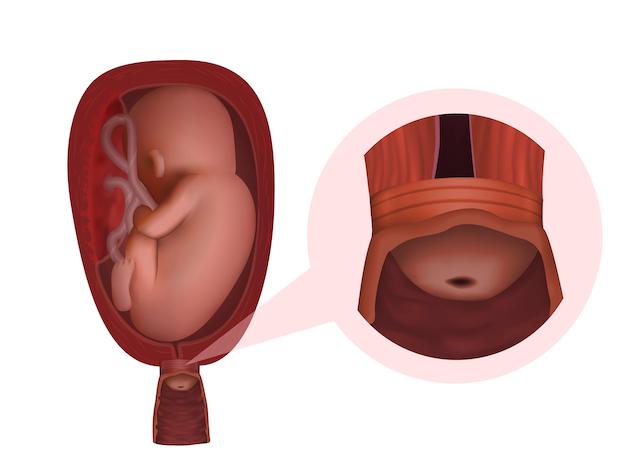
Short cervix in pregnancy illustration In some women, the muscles that surround the neck of the womb (cervix) are weaker than usual. This is known as cervical insufficiency, cervical incompetence or short cervix. Previous surgery or investigations to this area can sometimes cause the cervix to open too early, leading to miscarriage or pre-term birth. Cervical insufficiency can also be something you can be born with due to the shape of the uterus. The mid-trimester ultrasound scan will usually identify a short or weak cervix. Your doctor may want to check your cervix early in pregnancy if you have had several miscarriages or if you have had a baby born before 37 weeks of pregnancy.

Cervical erosion (ectropion)

Cervical erosion (ectropion)

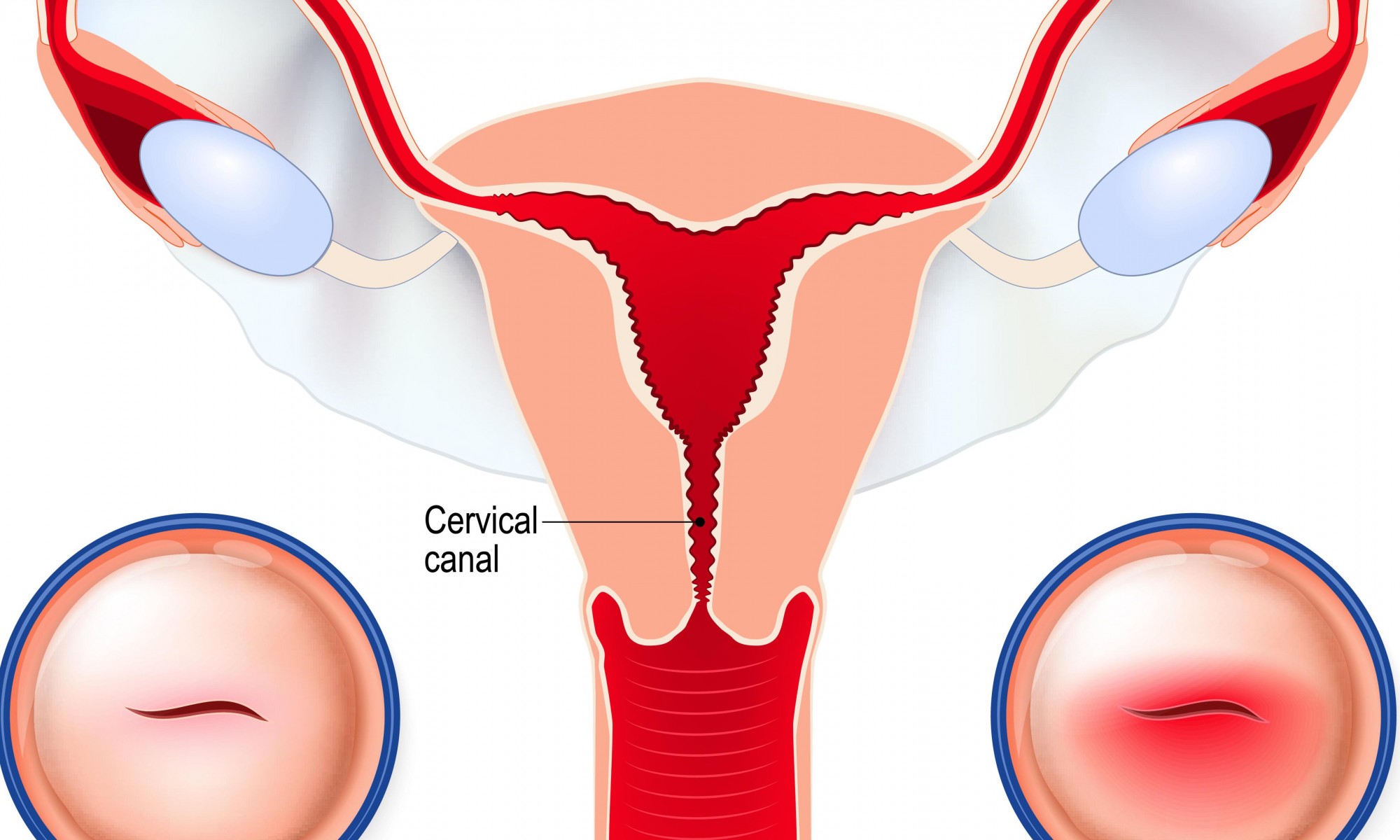
Graphic showing where to cervical canal is located with cross-sections of a healthy cervix and one affected by cervical erosion Cervical ectropion (cervical erosion) occurs when the soft cells that line the inside of the cervical canal spread to the outer surface of your cervix. These cells are redder and are more sensitive than the cells typically on the outside, which is why they may cause symptoms like bleeding and discharge. Cervial ectropion can be caused by hormonal changes, pregnancy and being on the pill. During pregnancy it usually resolves on its own but since it can sometimes cause bleeding, it is advisable to seek advice from your midwife or maternity triage department to rule out any other cause for the bleeding.

Early pregnancy symptoms and feelings

Early pregnancy symptoms and feelings

Sleepy dark-skinned woman stretching and yawning Early pregnancy comes with a range of physical symptoms and mixed emotions (feelings), some of which may begin before you have a positive pregnancy test. These include:
  • sore (sensitive), heavy breasts
  • nausea or vomiting
  • tiredness or sleeplessness
  • needing to pass urine more often
  • light spotting or bleeding, sometimes accompanied by mild stomach cramps
  • a feeling of stretching and pulling in the tummy (abdomen) and back and at the tops of your legs
  • backache
  • feeling bloated with excess gas (wind)
  • diarrhoea or constipation
  • headaches
  • dizziness or feeling lightheaded
Emotionally you may experience mood swings or feel tearful and become easily irritated. These are all normal responses as your body adapts to increasing levels of pregnancy hormones. These symptoms usually disappear as pregnancy progresses. If they don’t it is very important to tell your midwife or doctor.

Chronic hypertension (high blood pressure): Frequently asked questions

Chronic hypertension (high blood pressure): Frequently asked questions

How is the diagnosis made?

You may have been told you have high blood pressure before you became pregnant and you may already be taking tablets to treat your blood pressure. Sometimes chronic hypertension is diagnosed in pregnancy as it is the first time you have had your blood pressure checked on such a regular basis and in this case, the diagnosis will be made as your blood pressure was high on two occasions before 20 weeks of pregnancy.

What does this mean?

For me:

  • Pregnancy can put a strain on your heart and blood vessels so your blood pressure may go up and need treatment
  • High blood pressure increases your chance of having pre-eclampsia (a pregnancy condition that can cause kidney, liver and other problems
  • You will be offered regular appointments to check your blood pressure and urine
  • You will be recommended to give birth in hospital on the labour ward
  • You will need long term follow up of high blood pressure with your GP to reduce risks of heart disease after your baby is born.

For my baby:

  • There is an increased chance of your baby not growing well in the womb
  • There is a higher risk of your baby being born early (before 37 weeks of pregnancy).

What will the medical team recommend?

  • Care under an obstetrician alongside your midwifery team
  • Regular blood pressure and urine tests 2-4 weekly and more often near the end of your pregnancy (this may be with your midwife, obstetrician or GP)
  • Blood pressure tablets if your blood pressure is high
  • Aspirin tablets (75 or 150mg) to reduce the risk of you developing pre-eclampsia
  • Home blood pressure monitoring
  • Induction of labour between 38 and 40 weeks of pregnancy. This decision will be agreed with you based on your blood pressure readings and the wellbeing of the baby, to reduce the risk of stillbirth. You will be supported to make the decision that is right for you.

What tests will/may be considered? How often may they be needed?

  • When you are first diagnosed in the pregnancy, your kidney function (blood test) will be checked and you may be asked to have an ECG (heart tracing) to check if your body has been affected by the high blood pressure
  • You will be offered extra scans of your baby to check your baby is growing well in your womb and how well your placenta is working
  • If we suspect you are developing pre-eclampsia, we will recommend tests of your liver, kidneys and blood and we may check your placental growth factor level (which is an indicator of how well your placenta is working).

What symptoms and signs should I be looking out for?

  • Headaches can occur if your blood pressure is too high or if you are developing pre-eclampsia
  • Other symptoms of pre-eclampsia include: swelling in your hands and face, blurred vision, pain in your tummy, vomiting, baby not moving so well

What are the ‘red flag’ symptoms/concerns, which means that they should be reported immediately?

  • If your baby isn’t moving as normal, then you should be seen at the hospital immediately
  • If you have any of the symptoms of pre-eclampsia listed above then you should contact your maternity unit immediately.

Likely recommendations

Treatment options

Tablet treatment for your blood pressure will be recommended if your blood pressure is more than or equal to 140/90 mmHg The tablets most commonly used are:
  • Labetalol
  • Nifedipine
  • Methyldopa

Timing of birth

  • This will depend on how well you and your baby are in the pregnancy and on whether you develop pre-eclampsia
  • If the baby is well grown and the blood pressure is well controlled, then an induction of labour is likely to be recommended between 38 and 40 weeks of pregnancy.

How may this impact my birth choices?

Continuous monitoring of your baby’s heart beat in labour will be recommended whether your labour starts naturally or is induced. This is because the placenta may be working less well and we would not want to miss changes in the heart rate that would indicate the baby is not coping well with labour. This takes place in hospital on the labour ward.

How may this affect care after the birth?

  • You will need to have your blood pressure checked regularly and stay in the hospital for at least 24 hours after you give birth
  • Your blood pressure treatment will be switched to those suitable for breastfeeding
  • You will need to see your GP for ongoing monitoring of your blood pressure and treatment.

What will this mean for future pregnancies? How can I reduce my risk of this happening again?

  • High blood pressure can be reduced through diet and exercise if you are overweight or inactive
  • Ensuring your blood pressure is monitored and well controlled (less than 140/90 mmHg) will reduce the risk of harm for you and/or your baby in future pregnancies

What will this mean for future/my long-term health and how can I influence this?

  • Chronic hypertension increases your long term risk of heart disease including heart attacks and stroke.
  • Your risk of heart disease can be reduced by eating healthily, especially by reducing your salt intake and exercising regularly
  • Your risk of heart disease can also be reduced by taking your blood pressure treatment to control your blood pressure and your GP will tell you how low they would like your blood pressure to be while on treatment.

Where can I find out more information about this condition?

Information on chronic hypertension NHS High blood pressure Action on pre-eclampsia: High blood pressure High blood pressure and planning a pregnancy

COVID-19 and flu vaccines during pregnancy

COVID-19 and flu vaccines during pregnancy

COVID-19 and flu vaccines are recommended in pregnancy. Pregnant women and birthing people are strongly advised to take the COVID-19 and flu vaccines. COVID-19 and flu vaccines can be given at any stage in pregnancy. Vaccination is the best way to protect against the known serious risks of COVID-19 including protection against admission to intensive care and premature birth of the baby. Most maternity units offer vaccination, you can also book via the national vaccination booking system or ask your GP. For more information and most recent data around vaccination in pregnancy and while breastfeeding please visit: The Royal College of Obstetricians and Gynaecologists advice on vaccination in pregnancy and while breastfeeding Key information on COVID-19 in pregnancy Read this link for further information about the COVID-19 vaccine:

I am not a UK resident

I am not a UK resident

Woman with suitcase arriving in England If you are a non-UK resident visiting from overseas, you will need to provide information in order to receive NHS treatment (including maternity care). This will include proof of all of the following:
  • your identity
  • your permanent address
  • permission for you to live/work in the UK.
You will be asked to provide this information when you come for your first appointment with the midwife. If you are unsure about your eligibility, contact your maternity unit. If you are unwell, or are concerned about your unborn baby’s wellbeing, you should attend your closest maternity unit for emergency care.
Portal: I am not a UK resident

Getting practical help during pregnancy

Getting practical help during pregnancy

Signpost showing a variety of direction options Additional resources are available to you to help you with finances, housing, infant feeding, peer support, social activities in your area, and many more. As this information is gathered for your area, this page will include local links to help you find these resources.
Portal: Getting Practical Help in your pregnancy