Smoking
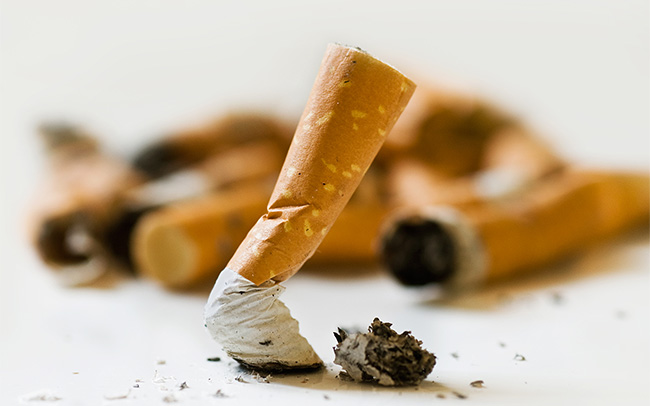 Smoking and inhaling passive smoke is extremely harmful for you and your unborn baby.
A single cigarette contains as much as 4,000 chemicals which travels to your unborn baby via your bloodstream. Even smoking as little as one a day can increase risk of complications in pregnancy and birth. Quitting smoking as soon as possible while you are pregnant can protect against:
Smoking and inhaling passive smoke is extremely harmful for you and your unborn baby.
A single cigarette contains as much as 4,000 chemicals which travels to your unborn baby via your bloodstream. Even smoking as little as one a day can increase risk of complications in pregnancy and birth. Quitting smoking as soon as possible while you are pregnant can protect against:
- low birth weight
- pre-term birth
- miscarriage
- stillbirth
- Sudden Infant Death Syndrome (SIDS)/Cot Death
- birth anomalies
Support
You are much more likely to quit with the help of a trained stop smoking advisor. Pregnancy is an ideal time to quit smoking for good. Your midwife or GP can refer you to local smoking cessation services or you can self-refer via the NHS Smoking Helpline on 0300 123 1044.
The type of stop smoking support you receive will depend on where you live and your personal preferences. Stop smoking services usually offer:
- Weekly support either face-to-face, over the phone or online
- Free medication or medication on prescription to help you stop smoking
Most nicotine replacement therapies are safe to use in pregnancy. Your stop smoking advisor should be able to support you in finding the right method to help you quit smoking whilst pregnant.
E-cigarettes
Although not risk free, e-cigarettes carry a small fraction of the risk of smoking. If using an e-cigarette or ‘vaping’ helps you stay smoke free, it is far safer for you and your baby than continuing to smoke. If you want to use an e-cigarette, you can still get free expert help from a specialist stop smoking advisor.
Carbon monoxide screening
Carbon monoxide testing is offered to all women at booking and again at 36 weeks of pregnancy. Carbon monoxide is a toxic gas that goes into your lungs when you smoke or inhale the passive smoke of someone else’s cigarette. It can also be found if there is a faulty boiler, cooker or car exhaust. Regular checks of household gas appliances are advised. Free Health and Safety gas advice is available on 0800 300 363 (Monday to Friday).
Read the links below for more information about smoking and carbon monoxide.
Portal: Smoking in pregnancy

 It is safe to have sex in pregnancy, unless your care provider has advised against it.
Some couples find sex enjoyable during pregnancy, whereas some find their sex drive changes and they don’t feel like they want to have sex as often or at all. If you don’t feel like having sex, think about other ways you could feel intimate and close with your partner. Talk about your feelings with your partner and make adjustments if you need them. Your breasts may be sore and tender, and as your bump grows certain positions become more difficult. Having sex cannot harm your baby, and he or she will not be aware of what is happening.
It is safe to have sex in pregnancy, unless your care provider has advised against it.
Some couples find sex enjoyable during pregnancy, whereas some find their sex drive changes and they don’t feel like they want to have sex as often or at all. If you don’t feel like having sex, think about other ways you could feel intimate and close with your partner. Talk about your feelings with your partner and make adjustments if you need them. Your breasts may be sore and tender, and as your bump grows certain positions become more difficult. Having sex cannot harm your baby, and he or she will not be aware of what is happening.