Vaccinations during pregnancy

Vaccinations during pregnancy

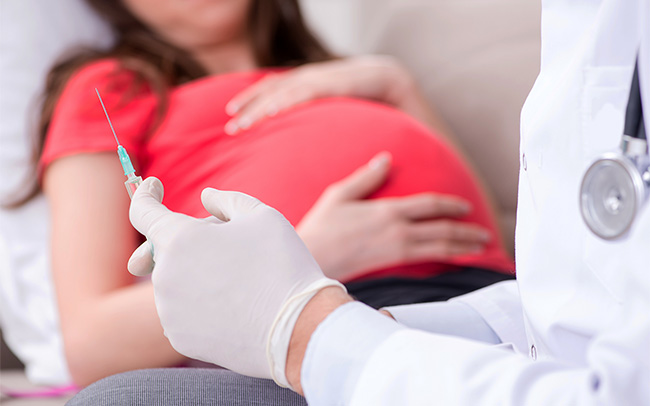
Close up of health professional's hand with syringe preparing to vaccinate pregnant woman It is currently recommended that all pregnant women have flu and whooping cough vaccinations during pregnancy. Ask your midwife or your GP’s practice nurse about this early in pregnancy. If you are travelling, please see the information on travel safety.

Do you have an appointment for a vaccination?

Please make sure you keep it.

Vaccinations protect against serious illnesses now and in the future, so it’s really important to keep up to date with jabs for you and your family. This is particularly important if you are pregnant or have small children. You should attend your appointments as normal, as long as you don’t have symptoms of COVID-19 and you are not self-isolating. If you are worried or have any questions please call your GP practice.

Flu vaccine

The flu vaccine is available in winter every year and is safe at every stage of pregnancy. The flu vaccine is recommended because catching flu when pregnant can cause serious complications for both you and your baby.

Whooping cough vaccine

The whooping cough vaccine is recommended for all pregnant women and can be given between 16 and 38 weeks of pregnancy. Ideally women should have the vaccination between 16 and 32 weeks of pregnancy as this best ensures the vaccine has sufficient time to provide immunity to your baby. Whooping cough in young babies can cause pneumonia and brain damage, therefore having a booster vaccine during pregnancy will help protect your baby.

Cytomegalovirus (CMV)

Cytomegalovirus (CMV)

Virus particles under a microscope Cytomegalovirus (CMV) is a common virus that is harmless to most healthy adults and children, but can be dangerous if a pregnant woman passes it to her unborn baby (congenital CMV). It is spread via bodily fluids and research has shown that the most common way a pregnant women catches CMV is from a toddler or young child, therefore women working or in regular contact with young children have a higher chance of developing the virus. Simple hygiene methods are believed to reduce the risk of catching CMV and recommendations include not sharing dummies or food utensils with young children as well as regular handwashing. If you are concerned that you may have come into contact with CMV whilst pregnant, please speak to your midwife or doctor. Follow the links for more information.

Group B Streptococcus (GBS)

Group B Streptococcus (GBS)

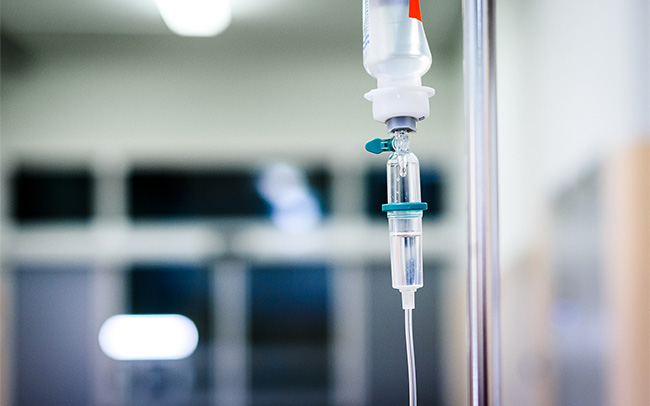
Close up of medical drip apperatus GBS is a common bacterium carried in the vagina and rectum of 2-4 in every 10 women. Carrying GBS is not harmful to you, and causes no symptoms. GBS occasionally causes serious infection in newborn babies, and very rarely, during pregnancy and before labour. GBS can be detected by urine or vaginal/rectal swab tests. The NHS does not routinely offer all pregnant women GBS testing. However, if it is detected during your current or previous pregnancy or if you have had a baby who developed GBS infection in the past, you will be offered intravenous antibiotics in labour to reduce the risk of infection in your newborn baby.

Toxoplasmosis

Toxoplasmosis

Cat walking out of its litter tray Toxoplasmosis is an infection caught by direct contact with cat faeces (poo), contaminated soil or contaminated meat. Most people don’t realise they have it but it can cause flu like symptoms and it can harm your unborn baby. Pregnant women are advised to wear gloves when gardening or handling cat litter and to thoroughly wash fruit and vegetables to remove all traces of soil. We don’t test for toxoplasmosis routinely as it is very rare.

Sexually Transmitted Infections (STIs)

Sexually Transmitted Infections (STIs)

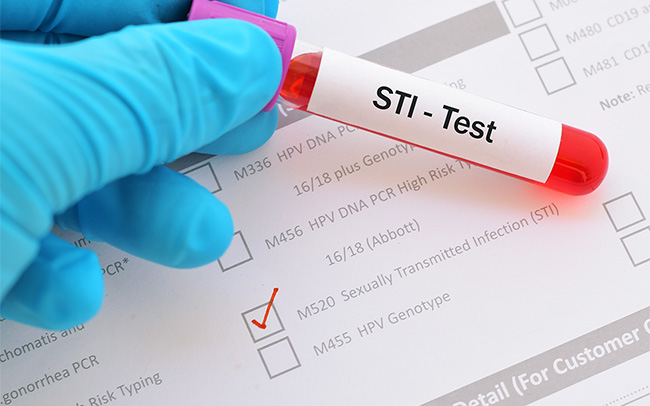
Close up of test tube labelled STI test STIs such as chlamydia, herpes and gonorrhoea are becoming increasingly common and when left untreated in pregnancy can be dangerous to your baby. If you are concerned that you or your partner may have been exposed to STIs please attend your local sexual health service clinic for full sexual health screening.

Parvovirus B19 (slapped cheek syndrome)

Parvovirus B19 (slapped cheek syndrome)

Virus particles under a microscope Parvovirus is very infectious and usually affects children. The main symptom is a red blotchy rash on the face. It can also be accompanied by mild fever, headache and sore throat. If you contract parvovirus in pregnancy it can be harmful to your baby. Please speak to your GP or midwife if you think you may have been in contact with parvovirus.

Chickenpox

Chickenpox

Close up of patient's arm being treated for chickenpox Chickenpox is caused by the varicella zoster virus. Chickenpox is highly infectious and can be dangerous to your baby. If you had chickenpox as a child, it is likely that you are immune; you do not need to worry. If you are unsure whether you have had chickenpox before, you may be offered a blood test to confirm your immunity. If you think you may have come into contact with someone with chickenpox and you know that you are not immune, please phone your GP or midwife for advice. Do not attend the maternity unit for advice unless advised to by your midwife/doctor.

Oral health and eye care in pregnancy
Oral health and eye care in pregnancy

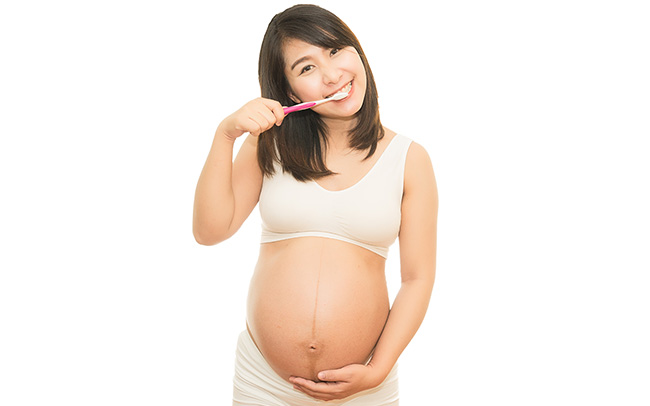
Pregnant woman cleaning her teeth

Oral health in pregnancy

During pregnancy and after birth it’s important to have regular dental check-ups. NHS dental care is free for pregnant women and for one year after the birth or the expected first birthday of your baby. It is recommended that all pregnant women see their dentist during pregnancy. It is especially important to see your dentist if you have persistent sore or bleeding gums. Hormonal changes in pregnancy may cause bleeding gums. It is important to keep a good level of dental hygiene to prevent tooth decay and gum disease. It is recommended that you brush twice a day with fluoride toothpaste containing at least 1350 ppm fluoride (this is safe to use in pregnancy). Try to limit the amount of sugary food and drink you eat and then keep them for mealtimes rather than as snacks. Remember to wait to brush your teeth after eating for at least 1 hour. This will prevent further dental erosion.

Eye care in pregnancy

During pregnancy you may experience slight changes in your vision and/or dry eyes. Eye tests are recommended every two years. Eye tests are free if you are on social benefits. Contact your local optician to book an appointment. Your GP can provide you with a signed form for a maternity exemption certificate. This will entitle you to free NHS prescriptions up to one year after the birth of your baby, and free NHS dental care.

Pelvic floor exercises

Pelvic floor exercises

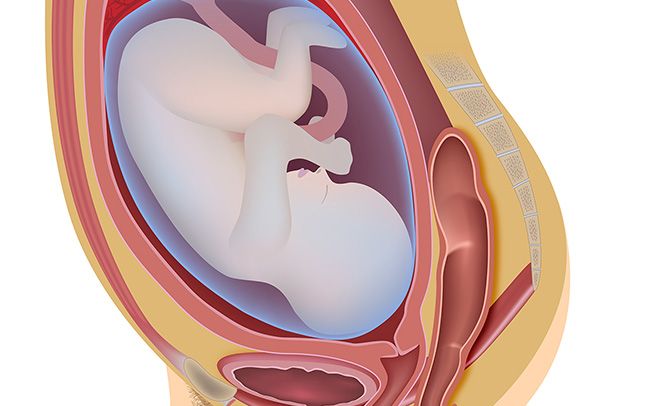
Cross section diagram of mature baby in the womb Pelvic floor exercises help strengthen the muscles of the pelvis, which are under additional strain during pregnancy and childbirth. Adopting these exercises regularly will reduce the likelihood of you experiencing pregnancy and postnatal related incontinence and help your body to recover after birth. It can also reduce the risk of urinary and faecal incontinence in the future, as well as reducing any symptoms of pelvic organ prolapse. You should start the exercises as soon as you are pregnant and continue them during your pregnancy and continue the exercises during the postnatal period.

How to do your pelvic floor exercises

Lay or sit down comfortably and begin by imagining you are trying to stop yourself from passing wind/urine by squeezing the muscles around the back passage continuing the contraction towards the vagina. Don’t do this whilst on the toilet, and don’t hold your urine as this can lead to problems with bladder function. You should work these muscles in two ways:
  • Hold the squeeze for a few seconds and then relax. Repeat this up to 10 times, gradually holding the squeeze for longer (up to 10 secs).
  • Squeeze and release straight away. Repeat this 10 times.
If you are experiencing any problems with control of your urine, wind, bowel movements or having any symptoms of vaginal heaviness, you should discuss this with your midwife, and they may recommend a referral to a women’s health physiotherapist. Use the NHS recommended Squeezy app to support you to keep up with regular pelvic floor exercises through pregnancy and beyond.

Exercise in pregnancy

Exercise in pregnancy

Heavily pregnant woman holding her bump Exercise is an important part of maintaining a healthy lifestyle and is known to be safe in pregnancy. Pregnancy is not the time to start a challenging new fitness regime, but it is good to maintain your pre-pregnancy level of activity with some adjustments if needed, or to try something gentle like walking, swimming or pregnancy yoga. Some women feel exercise helps them adjust to the physical changes taking place in their body, promoting a sense of wellbeing and reducing feelings of stress, anxiety and depression. Exercise may help prevent some pregnancy complications and can help with swollen ankles/feet:
  • Avoid exercise where you could lose your balance and hurt yourself.
  • Ensure you drink plenty of water during exercise.
  • Remember that hormonal changes preparing you for birth can make you more flexible. If you have pain in your back or pelvis during exercise, you should speak with your midwive about a referral to a woman’s health physiotherapist.
  • It is important to warm up and cool down when exercising to avoid strain or injury.
  • If you are taking a class, remember to inform the trainer you are pregnant.
  • You should avoid exercise that causes significant increases to your body temperature such as hot yoga, a jacuzzi or intense exercise when it is hot.
  • It is recommended that you exercise to an intensity where your heart rate and breathing rate increases slightly but you can still talk in sentences and do not become excessively out of breath.
  • 150 minutes of moderate intensity exercise is recommended a week during pregnancy.
  • If you have any factors in your pregnancy that make your pregnancy higher risk, you should consult your midwife or obstetrician before exercising during pregnancy.
  • If your body is conditioned to weight lifting or high impact exercise preior to pregnancy it may be ok to continue with modifications, however you should consult your midwife or women’s health physiotherapists to guide individual advice.
If you experience anything unusual, you should stop exercising, and contact your midwife or doctor.