Anxiety about childbirth

Anxiety about childbirth

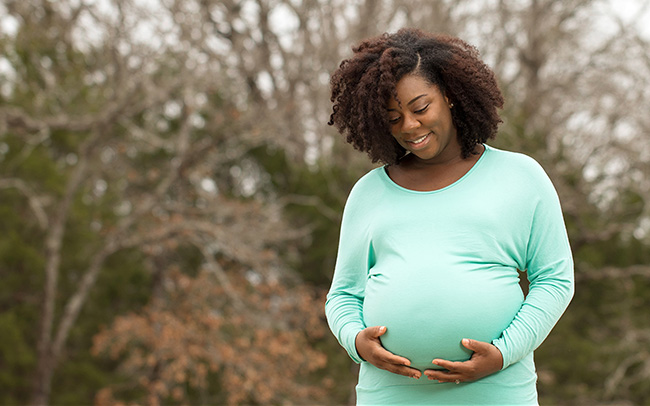
Pregnant woman looking down anxiously at her bump For many women the thought of childbirth is anxiety-provoking and some might say that this is a normal response to an unpredictable event where the outcome is vitally important. However, for some women severe anxiety about childbirth can have a very negative impact on their experience of pregnancy and birth, this condition is sometimes known as tocophobia. Lots of women have some fears about giving birth, but you are more likely to have severe anxiety if:
  • you have had extensive gynaecological problems
  • fear of childbirth is in your family and you have heard frightening stories about birth from family
  • you have had an anxiety disorder
  • you have a strong need to remain in control at all times
  • you have had a previous traumatic birth
  • you experienced sexual abuse as a child
  • you have experienced sexual assault or rape
  • you have depression.

What should you do?

Tell your midwife or doctor about your fears, as early in your pregnancy as possible. They should refer you to a healthcare professional trained to support women who experience severe anxiety. Research shows that fears can be reduced with specific psychological and emotional support during pregnancy. They will also provide you with information about the risks and benefits of different modes of birth.

How can I help myself?

The earlier you can get help the better:
  • speak to your partner and family/friends if you feel comfortable doing so
  • read information from reliable sources – don’t rely on information from blogs or internet forums
  • arrange to visit the labour ward or birth centre so that you can become familiar with the environment
  • if you are concerned about coping with pain, discuss pain relief options with your midwife or doctor write a detailed birth plan in partnership with your birth partner and midwife.
You may benefit from talking therapies. Your midwife, obstetrician or GP can refer you or you can self-refer to your local Improving Access to Psychological Therapies (IAPT).

Your emotional health during your pregnancy

Your emotional health during your pregnancy

Pregnant woman talking to health professional It is not uncommon for mental health concerns to start during pregnancy, if you have any of the symptoms below at any point, speak to your midwife or doctor as soon as possible. If you are unwell they can arrange treatment to help. What to look out for:
  • feeling low or anxious most of the time, for more than two weeks
  • losing interest in things you normally like
  • having panic attacks
  • feeling worthless or guilty
  • losing your appetite
  • having unpleasant thoughts that keep coming back and you can’t control them
  • finding yourself repeating an action (like washing, checking, counting) to feel better
  • finding your thoughts race and you become extremely energetic and happy
  • feeling you are so afraid of giving birth that you don’t want to go through with it
  • continual thoughts that you are an unfit mother or that you’re not attached to the baby
  • thoughts about self-harm or suicide.
You should also tell your midwife or doctor if you have (or have had) an eating disorder, as you may benefit from additional support to deal with your body’s changes through pregnancy and beyond.
Portal: Mental health and wellbeing in your region

Talking about your emotional health

Talking about your emotional health

Two women sitting together talking and smiling At your booking appointment, your midwife will ask you questions about your mental and physical health so that they can find out whether you need any extra support. Every woman is asked these questions. Even if you don’t have a specific mental health issue, it’s a good idea to talk to your midwife if you’re feeling anxious or feel like you are isolated and/or do not have support. Your midwife will ask you:
  • how you are feeling
  • whether you have or have ever had mental health concerns, such as bipolar affective disorder, schizophrenia or schizoaffective disorder, previous postpartum psychosis, severe depression or other psychotic illness
  • whether you have ever been treated by a specialist mental health service
  • whether a close relative has ever had severe mental illness during pregnancy or after birth.
It’s important to be honest with your midwife about how you feel. They won’t judge you, and they can help you get support or treatment if you need it. If your midwife thinks you need more support after talking to you, they will refer you to the most appropriate service for your needs such as talking therapies, a specialist midwife, specialist perinatal services or your GP.

Perinatal mental health teams

Community perinatal mental health teams support mothers who are experiencing moderate to severe mental health problems.  They also offer pre-conception advice to women with existing mental health problems who are planning a pregnancy. They are staffed by a range of professionals and offer family focused help. These teams work closely with maternity services, health visitors, talking therapies, GPs, other community services and third sector organisations.

Your emotional health and wellbeing in pregnancy

Your emotional health and wellbeing in pregnancy

Expecting a baby can be a joyful and exciting time. However, it is also common for pregnant women to experience anxiety, depression or emotional distress. As many as one in four women experience emotional difficulties during pregnancy. This can happen to anyone, explore the pages below to find out more about your emotional health and wellbeing.