Epidural

Epidural

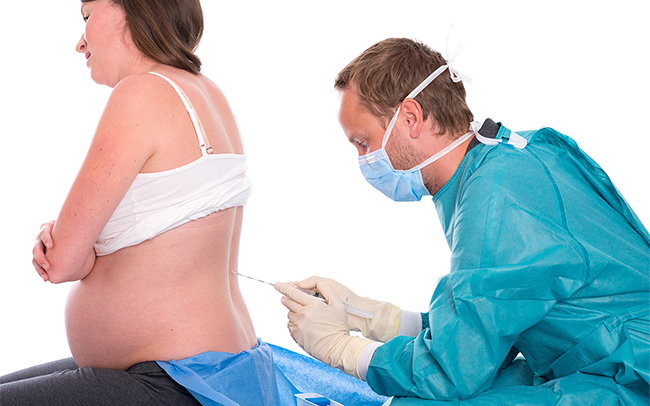
Heavily pregnant woman sits while an anaethetist injects anesthetic into her bare back Epidurals are the most effective pharmacological form of pain relief in labour. This method of pain relief can only be given on an obstetric unit (labour ward) by an anaesthetist. An epidural is a special type of anaesthetic that is given as an injection into the back, numbing the nerves that carry pain impulses to the brain. Once the first dose is given it takes around 20 minutes to work, then either you or your midwife will top-up the medication as needed to keep you pain-free. An epidural usually provides effective pain relief, however some women do not always find it works fully, and it may need to be adjusted or re-sited. If you have an epidural you will also need to have a drip in your hand and continuous electronic fetal monitoring. Lower back pressure is sometimes felt even with an effective working epidural. Some women are still able to move around after an epidural, whereas others find it more difficult due to their legs feeling heavy and unable to support their weight. If you want to walk with an epidural it is essential that a midwife first checks that your legs are strong enough, and somebody must always walk with you for support. Some women will find passing urine difficult, if this happens a catheter may be needed to empty your bladder. Depending on your stage of labour, this catheter may stay in until the day after birth. An epidural can affect your blood pressure, so this will also need to be monitored regularly. Having an epidural can make the second stage of labour longer, and may increase the likelihood of you needing an assisted birth. It can also cause itching or shivering. Other risks of epidurals include severe headaches or rarely nerve damage.


Opioids (pethidine/diamorphine/meptid)

Opioids (pethidine/diamorphine/meptid)

Close up of syringe injecting woman's arm with a strong pain killing drug These are strong pain-killing drugs, which are given by injection. They normally take around 20-30 minutes to take effect, and last between two to four hours. They may help you to cope with the pain and to relax, however they do have some side effects which require consideration. Opioid injections may make you drowsy and can cause nausea and vomiting. Your midwife will normally offer an anti-sickness medication at the same time to prevent this from happening. Opioid injections cross the placenta and can affect your baby’s ability to breathe if he or she is born soon after it is given. If your midwife doesn’t think the medication would have enough time to wear off before birth, it will not be recommend as a pain relief option for you. Opioid injections may also affect your baby’s first feed after birth.

Water

Water

Woman in birthing pool holding new born baby while her partner and their other children look at the baby Using water (either in a bath or birthing pool) is known to be an effective method of providing pain relief and aiding relaxation. If your pregnancy and labour have been straight-forward, using a birthing pool may be particularly suitable for you. The water will be kept at around body temperature and you can get in and out as you wish during labour. Many women also opt to give birth to their baby in the pool, which is a safe option if all is well with you and your baby during labour. If you are planning a homebirth, you can hire a birthing pool. Discuss this with your midwife if you want to know more about having a water birth at home or in your maternity unit.

Gas and air (Entonox)

Gas and air (Entonox)

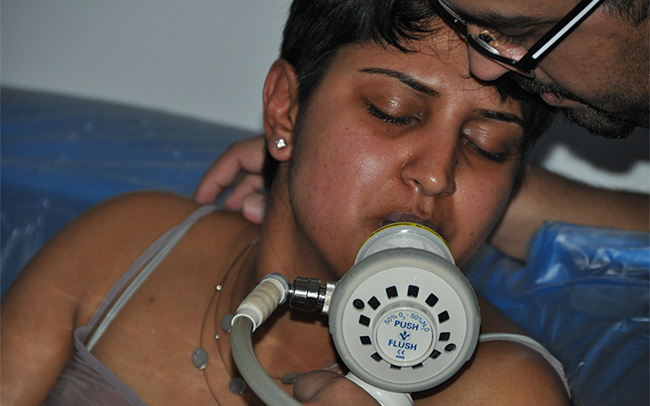
Close up of woman breathing in gas and air from mouthpiece This is a mixture of oxygen and nitrous oxide gas, and is breathed in through a mouthpiece which you have control of yourself. It can be used throughout established labour and can reduce the amount of discomfort you feel from the contractions. If you are planning a homebirth, a midwife can bring a cylinder of entonox to your home for you to use. Entonox is available in all midwifery-led and obstetric units. Short term use in labour causes no harmful side effects and you can often stay mobile whilst using it. It can also be used in the birthing pool. Entonox can make some women feel light-headed, sleepy or nauseous – if this happens you can stop using it and the effects will subside.

TENS (transcutaneous electrical nerve stimulation)

TENS (transcutaneous electrical nerve stimulation)

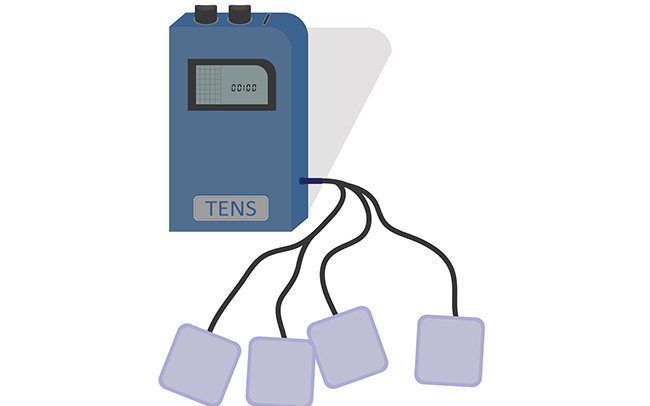
Close up of TENS machineThis small machine is attached to your back using sticky electrode pads, and it sends mild and painless electrical pulses through your body, disrupting the nerves that transmit pain. It may also boost your body’s natural pain-killing endorphin production. TENS is most effective in early labour. TENS machines can be hired or purchased online, or in some larger retailers. Make sure the machine you get is designed specifically for labour as there are many different types.

Complementary therapies

Complementary therapies

Close up of hands performing foot massage on a pair of bare feet This includes aromatherapy, acupuncture, homeopathy, reflexology and massage. Ask your midwife what your chosen maternity unit offers or search for a local practitioner online. Certain techniques should not be used during pregnancy or birth, so always consult a qualified practitioner with experience of treating pregnant women before trying a complementary therapy.

Self-hypnosis/Deep relaxation techniques

Self-hypnosis/Deep relaxation techniques

Heavily pregnant woman sits in cross legged yoga pose There are certain breathing and self-hypnosis techniques which many women find beneficial when experiencing labour. The techniques must be learnt and practised, and are taught by a qualified practitioner. You can ask your midwife about this, or simply search online for local services/practitioners.
Hypnobirth class 1 essentials from HypnobirthMidwivesUK

Coping in early labour

Coping in early labour

Heavily pregnant woman lies back in a bubble bath The early labour (or latent) phase is usually spent at home, and there are plenty of things you can try to ease any discomfort you have whilst also encouraging labour to progress well. These simple techniques can also help throughout labour:
  • having a warm bath or shower
  • sleeping/resting in between contractions
  • eating and drinking, little and often
  • staying calm and relaxed and focusing on deep, slow breathing
  • distraction techniques such as cooking or watching TV
  • massage from your birthing partner, particularly on the lower back and/or shoulders
  • trying different positions or going for a gentle walk.

Coping strategies and pain relief in labour

Coping strategies and pain relief in labour

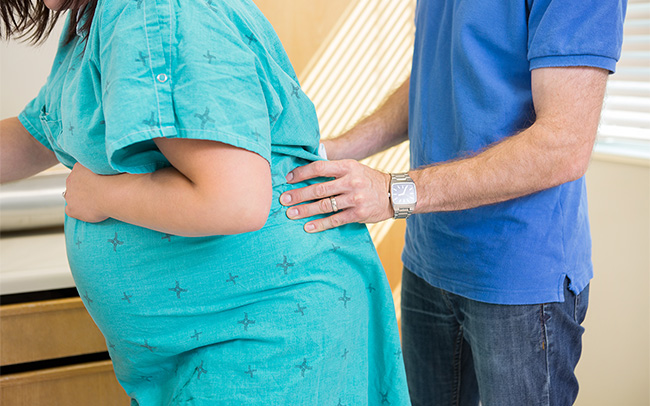
Close up of heavily pregnant woman leaning forwards with her birth partner standing behind her and touching her waist As labour progresses, there are plenty of options available to help you manage the sensation of the contractions as they get stronger and more intense.