There are two reasons why you might be given antibiotics during labour:
1) Known risk of an infection
Antibiotics in labour will be recommended if there is an increased risk of infection to the baby by bacterium called Group B Streptococcus (GBS). This could be indicated in labour if:
a) results in your current or previous pregnancy have detected GBS in vaginal or urine testing; or
b) labour starts prior to 37 weeks and is associated with rupture of membranes prior to the onset of labour.
The team will check your allergies and available results to determine which antibiotics to give you until your baby is born. When antibiotics are administered for this indication only, you will be able to walk around in labour.
2) Signs of a possible infection
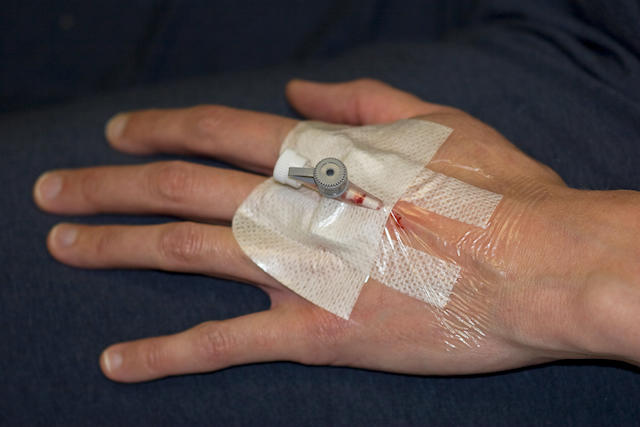
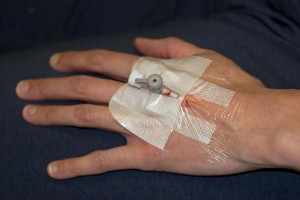
Infection in labour may be suspected based on symptoms like fever, or signs like a higher than expected heart rate in you or baby in the womb.Infection can occur in any part of your body. If we can’t identify where the infection is, we work on the assumption that it could be in the womb, and this may be difficult to confirm until at least a few days later.Untreated infection can sometimes spread to the blood and if not treated it may have serious consequences. Given the risk that an infection may pose, the medical team will undertake a detailed assessment of you and your baby. They will conduct a range of tests on you to help establish the type of infection. This will include blood tests, urine tests and vaginal swabs. The tests include full blood count, C-reactive protein (CRP), blood/urinary/vaginal culture and sensitivity. The team will recommend starting antibiotics through a cannula (a very fine, flexible plastic tube) directly into your vein.You will need to be monitored closely and this will involve continuous monitoring of you and the baby, which may limit you from walking around in labour. We will continue to support your birth preferences as best as possible and discuss all options and recommendations so that you can make informed choices about your care. We will help you adopt positions that are comfortable for you and that are known to support vaginal births.Some of the blood results will be available within a few hours and some tests (microbiological cultures and sensitivity) may take up to 3 days.Your team will continue to monitor you and your baby closely through your labour and will keep you informed of their findings and recommendations. You are encouraged to ask any questions or share concerns you may have.
What will happen after the birth?
1) Known risk of an infection
If you received antibiotics in labour only because of the known risk of GBS infection, this will be stopped at the time of the birth. For 12-24 hours after the birth, your team will monitor you and the baby for anything concerning, including signs of infection. The monitoring aims to identify early warning symptoms and signs. For the baby, this will include overall assessment and regular measurement of heart rate, respiratory rate, colour, temperature and feeding. The baby will stay with their mothers on the postnatal ward.
2) Signs of a possible infection
Your antibiotics will be continued through the cannula until your temperature has been normal for at least 24 hours after the birth, you feel well and the infection results indicate an improvement.Based on your recovery and test results, you may need to continue the antibiotic course as tablets. The total duration of antibiotics can vary but they will be safe to take if you are breastfeeding.If you have a urinary infection, you will need to repeat a urine test (culture and sensitivity) a week after you complete your antibiotics course to make sure the infection has been treated fully.
Midwives are your main carers in labour, whether you choose to have your baby at home, in a midwifery-led birth centre or on an obstetric labour ward. Women in established labour will normally receive one-to-one care in labour from a named midwife. Your midwife will support you during labour, ensuring you and your baby are well and safe.
Obstetricians
An obstetrician will be involved in your care if any complications or more complex needs arise during labour and/or birth. If an induction of labour is recommended for you, or if your labour and/or birth slow down it is likely that you will be seen by an obstetrician. If there are concerns with your health, the health of your baby or if an assisted or caesarean birth is recommended you will also be seen by and cared for by an obstetrician who will work in partnership with your midwife.
Maternity support workers
These may work under the direct supervision of your midwife to provide you with support during labour. They may also help you with feeding your baby immediately after birth.
Anaesthetist
If you have an epidural during labour, this will be put in by an anaesthetist. If you require a caesarean birth, you will also be cared for in theatre by an anaesthetist, in partnership with an obstetrician and your midwife. Anaesthetists may also become involved in your care if you have any complications or need a higher level of care due to medical conditions.
Theatre team
If you have a planned or emergency caesarean birth, there will be staff in the theatre to assist the anaesthetist, obstetrician and midwife who are caring for you. You may also be in theatre if an assisted birth is recommended, or if you have any complications after the birth that require more intensive care.
Student midwives/doctors
During labour and birth, there may be a student midwife or doctor working with your named midwife. Student midwives or doctors may provide you with care and support under direct or indirect supervision of the midwife, depending on their stage of training. Care will only be provided with your consent, and your midwife will discuss this with you.
Admin/clerical
The team of midwives and doctors in birth centres and labour wards are supported by a team of reception, clerical and administrative staff that you may meet. Please ensure you inform the clerical team if you have any changes to your contact number, address or GP to ensure that information is recorded correctly on key documentation.
Epidurals are the most effective pharmacological form of pain relief in labour. This method of pain relief can only be given on an obstetric unit (labour ward) by an anaesthetist.An epidural is a special type of anaesthetic that is given as an injection into the back, numbing the nerves that carry pain impulses to the brain. Once the first dose is given it takes around 20 minutes to work, then either you or your midwife will top-up the medication as needed to keep you pain-free.An epidural usually provides effective pain relief, however some women do not always find it works fully, and it may need to be adjusted or re-sited. If you have an epidural you will also need to have a drip in your hand and continuous electronic fetal monitoring. Lower back pressure is sometimes felt even with an effective working epidural.Some women are still able to move around after an epidural, whereas others find it more difficult due to their legs feeling heavy and unable to support their weight. If you want to walk with an epidural it is essential that a midwife first checks that your legs are strong enough, and somebody must always walk with you for support. Some women will find passing urine difficult, if this happens a catheter may be needed to empty your bladder. Depending on your stage of labour, this catheter may stay in until the day after birth.An epidural can affect your blood pressure, so this will also need to be monitored regularly. Having an epidural can make the second stage of labour longer, and may increase the likelihood of you needing an assisted birth. It can also cause itching or shivering. Other risks of epidurals include severe headaches or rarely nerve damage.
These are strong pain-killing drugs, which are given by injection. They normally take around 20-30 minutes to take effect, and last between two to four hours. They may help you to cope with the pain and to relax, however they do have some side effects which require consideration.Opioid injections may make you drowsy and can cause nausea and vomiting. Your midwife will normally offer an anti-sickness medication at the same time to prevent this from happening.Opioid injections cross the placenta and can affect your baby’s ability to breathe if he or she is born soon after it is given. If your midwife doesn’t think the medication would have enough time to wear off before birth, it will not be recommend as a pain relief option for you. Opioid injections may also affect your baby’s first feed after birth.
Using water (either in a bath or birthing pool) is known to be an effective method of providing pain relief and aiding relaxation.If your pregnancy and labour have been straight-forward, using a birthing pool may be particularly suitable for you. The water will be kept at around body temperature and you can get in and out as you wish during labour. Many women also opt to give birth to their baby in the pool, which is a safe option if all is well with you and your baby during labour. If you are planning a homebirth, you can hire a birthing pool. Discuss this with your midwife if you want to know more about having a water birth at home or in your maternity unit.
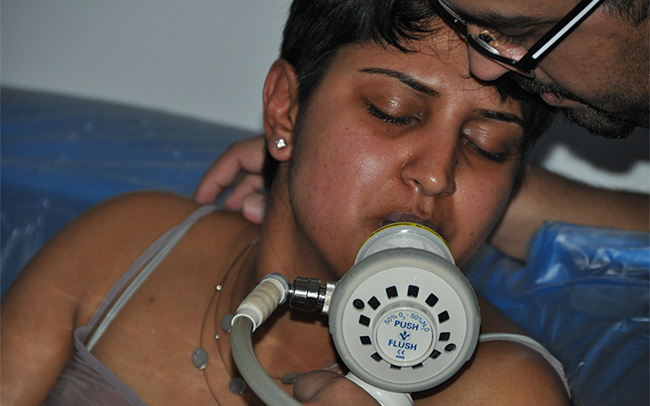
This is a mixture of oxygen and nitrous oxide gas, and is breathed in through a mouthpiece which you have control of yourself. It can be used throughout established labour and can reduce the amount of discomfort you feel from the contractions.If you are planning a homebirth, a midwife can bring a cylinder of entonox to your home for you to use. Entonox is available in all midwifery-led and obstetric units. Short term use in labour causes no harmful side effects and you can often stay mobile whilst using it. It can also be used in the birthing pool. Entonox can make some women feel light-headed, sleepy or nauseous – if this happens you can stop using it and the effects will subside.
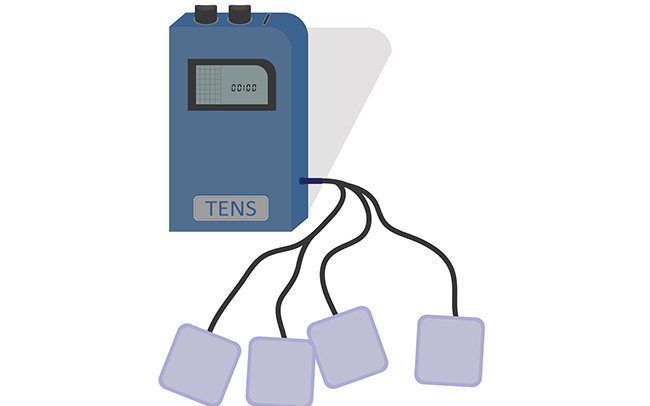
This small machine is attached to your back using sticky electrode pads, and it sends mild and painless electrical pulses through your body, disrupting the nerves that transmit pain. It may also boost your body’s natural pain-killing endorphin production. TENS is most effective in early labour.TENS machines can be hired or purchased online, or in some larger retailers. Make sure the machine you get is designed specifically for labour as there are many different types.
This includes aromatherapy, acupuncture, homeopathy, reflexology and massage. Ask your midwife what your chosen maternity unit offers or search for a local practitioner online. Certain techniques should not be used during pregnancy or birth, so always consult a qualified practitioner with experience of treating pregnant women before trying a complementary therapy.

 There are two reasons why you might be given antibiotics during labour: