Car journeys

Car journeys

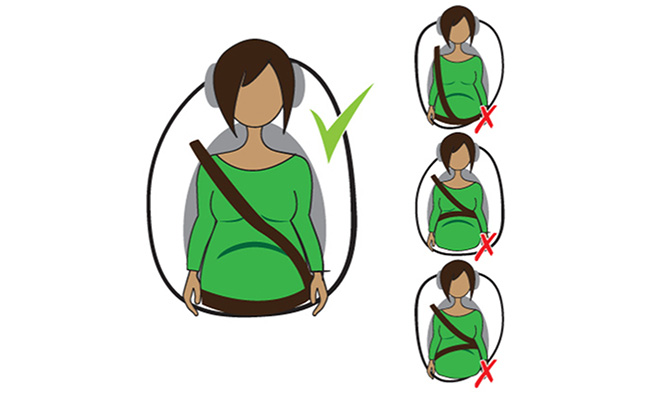
Diagram showing pregnant woman with seat belt correctly positioned with the cross strap between her breasts and the lap strap under her bump. Incorrect positions also shown. On long car journeys it is important to stop regularly for a break and to stretch your legs. Wear your seatbelt with the cross strap between your breasts and the lap strap across your pelvis under your bump, not across your bump. Road accidents are among the most common causes of injury in pregnant women. Avoid making long trips on your own and share the driving with others when possible.

Cycling

Cycling

Pregnant woman on bicycle Riding a bicycle in pregnancy should be approached with caution, due to the risk of falling which may harm you or your baby. In pregnancy your joints are less stable, your centre of gravity is altered and your reactions are slower. It might be best to avoid cycling unless you are used to cycling regularly.

Vaccinations during pregnancy

Vaccinations during pregnancy

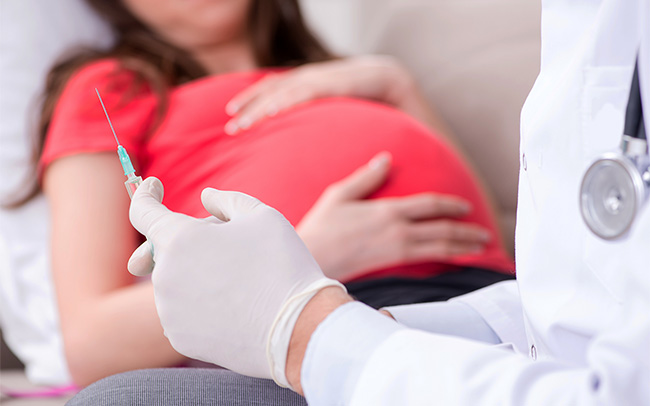
Close up of health professional's hand with syringe preparing to vaccinate pregnant woman It is currently recommended that all pregnant women have flu and whooping cough vaccinations during pregnancy. Ask your midwife or your GP’s practice nurse about this early in pregnancy. If you are travelling, please see the information on travel safety.

Do you have an appointment for a vaccination?

Please make sure you keep it.

Vaccinations protect against serious illnesses now and in the future, so it’s really important to keep up to date with jabs for you and your family. This is particularly important if you are pregnant or have small children. You should attend your appointments as normal, as long as you don’t have symptoms of COVID-19 and you are not self-isolating. If you are worried or have any questions please call your GP practice.

Flu vaccine

The flu vaccine is available in winter every year and is safe at every stage of pregnancy. The flu vaccine is recommended because catching flu when pregnant can cause serious complications for both you and your baby.

Whooping cough vaccine

The whooping cough vaccine is recommended for all pregnant women and can be given between 16 and 38 weeks of pregnancy. Ideally women should have the vaccination between 16 and 32 weeks of pregnancy as this best ensures the vaccine has sufficient time to provide immunity to your baby. Whooping cough in young babies can cause pneumonia and brain damage, therefore having a booster vaccine during pregnancy will help protect your baby.

Oral health and eye care in pregnancy
Oral health and eye care in pregnancy

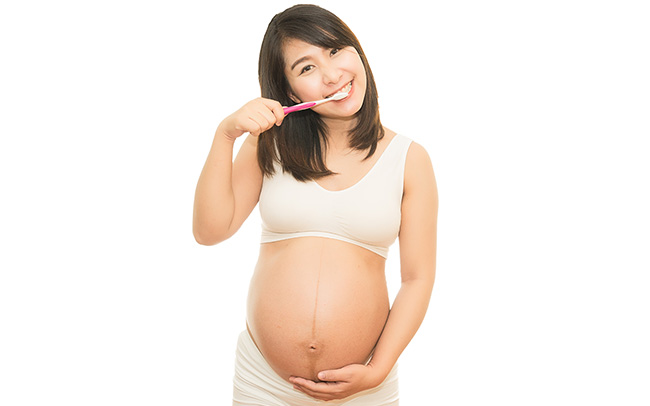
Pregnant woman cleaning her teeth

Oral health in pregnancy

During pregnancy and after birth it’s important to have regular dental check-ups. NHS dental care is free for pregnant women and for one year after the birth or the expected first birthday of your baby. It is recommended that all pregnant women see their dentist during pregnancy. It is especially important to see your dentist if you have persistent sore or bleeding gums. Hormonal changes in pregnancy may cause bleeding gums. It is important to keep a good level of dental hygiene to prevent tooth decay and gum disease. It is recommended that you brush twice a day with fluoride toothpaste containing at least 1350 ppm fluoride (this is safe to use in pregnancy). Try to limit the amount of sugary food and drink you eat and then keep them for mealtimes rather than as snacks. Remember to wait to brush your teeth after eating for at least 1 hour. This will prevent further dental erosion.

Eye care in pregnancy

During pregnancy you may experience slight changes in your vision and/or dry eyes. Eye tests are recommended every two years. Eye tests are free if you are on social benefits. Contact your local optician to book an appointment. Your GP can provide you with a signed form for a maternity exemption certificate. This will entitle you to free NHS prescriptions up to one year after the birth of your baby, and free NHS dental care.

Pelvic floor exercises

Pelvic floor exercises

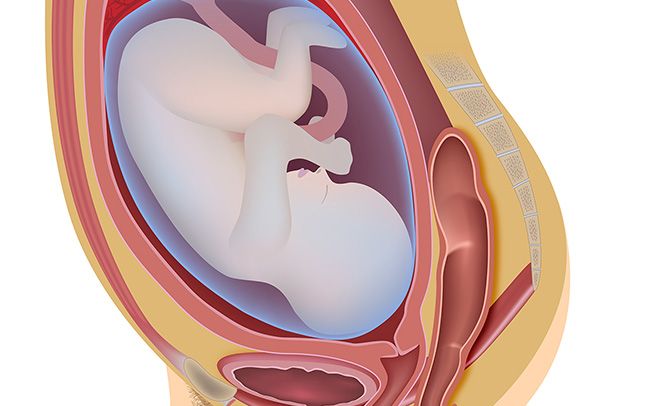
Cross section diagram of mature baby in the womb Pelvic floor exercises help strengthen the muscles of the pelvis, which are under additional strain during pregnancy and childbirth. Adopting these exercises regularly will reduce the likelihood of you experiencing pregnancy and postnatal related incontinence and help your body to recover after birth. It can also reduce the risk of urinary and faecal incontinence in the future, as well as reducing any symptoms of pelvic organ prolapse. You should start the exercises as soon as you are pregnant and continue them during your pregnancy and continue the exercises during the postnatal period.

How to do your pelvic floor exercises

Lay or sit down comfortably and begin by imagining you are trying to stop yourself from passing wind/urine by squeezing the muscles around the back passage continuing the contraction towards the vagina. Don’t do this whilst on the toilet, and don’t hold your urine as this can lead to problems with bladder function. You should work these muscles in two ways:
  • Hold the squeeze for a few seconds and then relax. Repeat this up to 10 times, gradually holding the squeeze for longer (up to 10 secs).
  • Squeeze and release straight away. Repeat this 10 times.
If you are experiencing any problems with control of your urine, wind, bowel movements or having any symptoms of vaginal heaviness, you should discuss this with your midwife, and they may recommend a referral to a women’s health physiotherapist. Use the NHS recommended Squeezy app to support you to keep up with regular pelvic floor exercises through pregnancy and beyond.

Exercise in pregnancy

Exercise in pregnancy

Heavily pregnant woman holding her bump Exercise is an important part of maintaining a healthy lifestyle and is known to be safe in pregnancy. Pregnancy is not the time to start a challenging new fitness regime, but it is good to maintain your pre-pregnancy level of activity with some adjustments if needed, or to try something gentle like walking, swimming or pregnancy yoga. Some women feel exercise helps them adjust to the physical changes taking place in their body, promoting a sense of wellbeing and reducing feelings of stress, anxiety and depression. Exercise may help prevent some pregnancy complications and can help with swollen ankles/feet:
  • Avoid exercise where you could lose your balance and hurt yourself.
  • Ensure you drink plenty of water during exercise.
  • Remember that hormonal changes preparing you for birth can make you more flexible. If you have pain in your back or pelvis during exercise, you should speak with your midwive about a referral to a woman’s health physiotherapist.
  • It is important to warm up and cool down when exercising to avoid strain or injury.
  • If you are taking a class, remember to inform the trainer you are pregnant.
  • You should avoid exercise that causes significant increases to your body temperature such as hot yoga, a jacuzzi or intense exercise when it is hot.
  • It is recommended that you exercise to an intensity where your heart rate and breathing rate increases slightly but you can still talk in sentences and do not become excessively out of breath.
  • 150 minutes of moderate intensity exercise is recommended a week during pregnancy.
  • If you have any factors in your pregnancy that make your pregnancy higher risk, you should consult your midwife or obstetrician before exercising during pregnancy.
  • If your body is conditioned to weight lifting or high impact exercise preior to pregnancy it may be ok to continue with modifications, however you should consult your midwife or women’s health physiotherapists to guide individual advice.
If you experience anything unusual, you should stop exercising, and contact your midwife or doctor.

Sex in pregnancy

Sex in pregnancy

Two pairs of intwined feet stick out from under a bed sheet It is safe to have sex in pregnancy, unless your care provider has advised against it. Some couples find sex enjoyable during pregnancy, whereas some find their sex drive changes and they don’t feel like they want to have sex as often or at all. If you don’t feel like having sex, think about other ways you could feel intimate and close with your partner. Talk about your feelings with your partner and make adjustments if you need them. Your breasts may be sore and tender, and as your bump grows certain positions become more difficult. Having sex cannot harm your baby, and he or she will not be aware of what is happening.

Medications

Medications

Open pill bottle spilling contents onto tabletop If you are taking medications for any long term conditions, do not stop taking them or change the dose without talking to your GP first. If you’re not sure about the safety of certain medications, talk to your GP or local pharmacist. Many medications are safe when breastfeeding but talk to your GP who can confirm or recommend a safe alternative. Your GP can provide you with a signed form for a maternity exemption certificate. This will entitle you to free NHS prescriptions up to one year after the birth of your baby.
Portal: Medications related links