Pelvic floor exercises help strengthen the muscles of the pelvis, which are under additional strain during pregnancy and childbirth. Adopting these exercises regularly will reduce the likelihood of you experiencing pregnancy and postnatal related incontinence and help your body to recover after birth. It can also reduce the risk of urinary and faecal incontinence in the future, as well as reducing any symptoms of pelvic organ prolapse.You should start the exercises as soon as you are pregnant and continue them during your pregnancy and continue the exercises during the postnatal period.
How to do your pelvic floor exercises
Lay or sit down comfortably and begin by imagining you are trying to stop yourself from passing wind/urine by squeezing the muscles around the back passage continuing the contraction towards the vagina. Don’t do this whilst on the toilet, and don’t hold your urine as this can lead to problems with bladder function. You should work these muscles in two ways:
Hold the squeeze for a few seconds and then relax. Repeat this up to 10 times, gradually holding the squeeze for longer (up to 10 secs).
Squeeze and release straight away. Repeat this 10 times.
If you are experiencing any problems with control of your urine, wind, bowel movements or having any symptoms of vaginal heaviness, you should discuss this with your midwife, and they may recommend a referral to a women’s health physiotherapist.Use the NHS recommended Squeezy app to support you to keep up with regular pelvic floor exercises through pregnancy and beyond.
Exercise is an important part of maintaining a healthy lifestyle and is known to be safe in pregnancy. Pregnancy is not the time to start a challenging new fitness regime, but it is good to maintain your pre-pregnancy level of activity with some adjustments if needed, or to try something gentle like walking, swimming or pregnancy yoga.Some women feel exercise helps them adjust to the physical changes taking place in their body, promoting a sense of wellbeing and reducing feelings of stress, anxiety and depression. Exercise may help prevent some pregnancy complications and can help with swollen ankles/feet:
Avoid exercise where you could lose your balance and hurt yourself.
Ensure you drink plenty of water during exercise.
Remember that hormonal changes preparing you for birth can make you more flexible. If you have pain in your back or pelvis during exercise, you should speak with your midwive about a referral to a woman’s health physiotherapist.
It is important to warm up and cool down when exercising to avoid strain or injury.
If you are taking a class, remember to inform the trainer you are pregnant.
You should avoid exercise that causes significant increases to your body temperature such as hot yoga, a jacuzzi or intense exercise when it is hot.
It is recommended that you exercise to an intensity where your heart rate and breathing rate increases slightly but you can still talk in sentences and do not become excessively out of breath.
150 minutes of moderate intensity exercise is recommended a week during pregnancy.
If you have any factors in your pregnancy that make your pregnancy higher risk, you should consult your midwife or obstetrician before exercising during pregnancy.
If your body is conditioned to weight lifting or high impact exercise preior to pregnancy it may be ok to continue with modifications, however you should consult your midwife or women’s health physiotherapists to guide individual advice.
If you experience anything unusual, you should stop exercising, and contact your midwife or doctor.

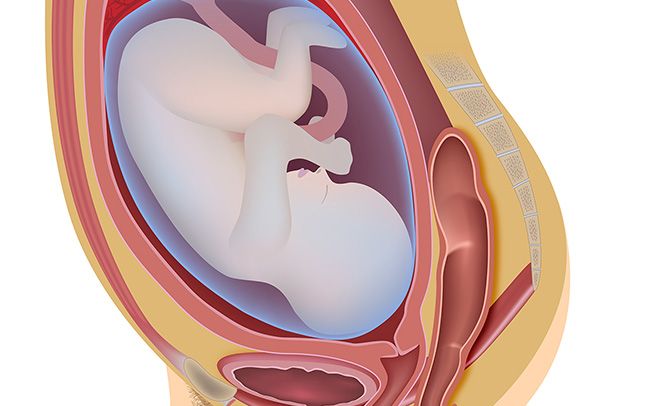 Pelvic floor exercises help strengthen the muscles of the pelvis, which are under additional strain during pregnancy and childbirth. Adopting these exercises regularly will reduce the likelihood of you experiencing pregnancy and postnatal related incontinence and help your body to recover after birth. It can also reduce the risk of urinary and faecal incontinence in the future, as well as reducing any symptoms of pelvic organ prolapse.
You should start the exercises as soon as you are pregnant and continue them during your pregnancy and continue the exercises during the postnatal period.
Pelvic floor exercises help strengthen the muscles of the pelvis, which are under additional strain during pregnancy and childbirth. Adopting these exercises regularly will reduce the likelihood of you experiencing pregnancy and postnatal related incontinence and help your body to recover after birth. It can also reduce the risk of urinary and faecal incontinence in the future, as well as reducing any symptoms of pelvic organ prolapse.
You should start the exercises as soon as you are pregnant and continue them during your pregnancy and continue the exercises during the postnatal period.