
Weight management


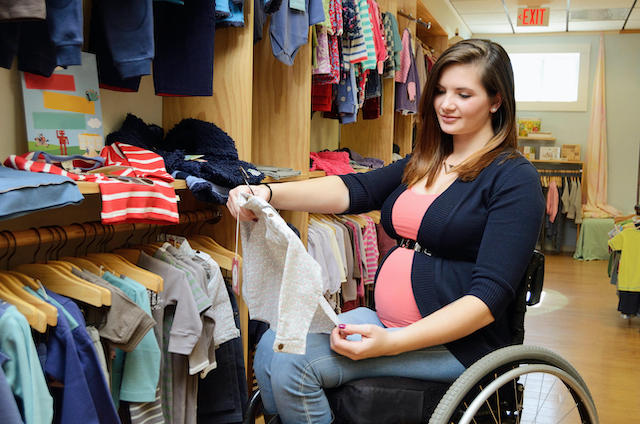
 Parents and parents-to-be with additional needs/disability are often well adapted to their activities at home and at work, in their relationships and in interactions with their surrounding environment. Adapting to pregnancy, birth and parenting may require further adaptations. It is estimated that almost 10% of parents have a long term health condition which may result in disability or adaptation to daily living.
Maternity and other services can work in partnership with parents to facilitate individualised decision-making, equal access and making adjustments for pregnancy/birth and parenting.
Parents and parents-to-be with additional needs/disability are often well adapted to their activities at home and at work, in their relationships and in interactions with their surrounding environment. Adapting to pregnancy, birth and parenting may require further adaptations. It is estimated that almost 10% of parents have a long term health condition which may result in disability or adaptation to daily living.
Maternity and other services can work in partnership with parents to facilitate individualised decision-making, equal access and making adjustments for pregnancy/birth and parenting.



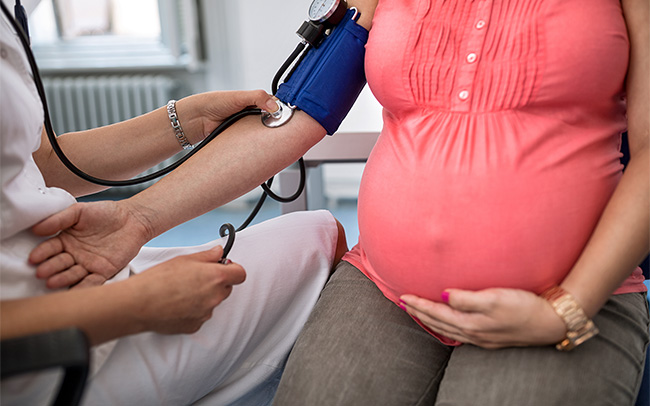 This is a rare but serious condition of pregnancy, usually occurring after 20 weeks. It is defined by the combination of raised blood pressure and protein in the urine. Often there are no symptoms and pre-eclampsia is usually detected through regular antenatal checks, and can sometimes develop quickly.
Symptoms include:
This is a rare but serious condition of pregnancy, usually occurring after 20 weeks. It is defined by the combination of raised blood pressure and protein in the urine. Often there are no symptoms and pre-eclampsia is usually detected through regular antenatal checks, and can sometimes develop quickly.
Symptoms include:
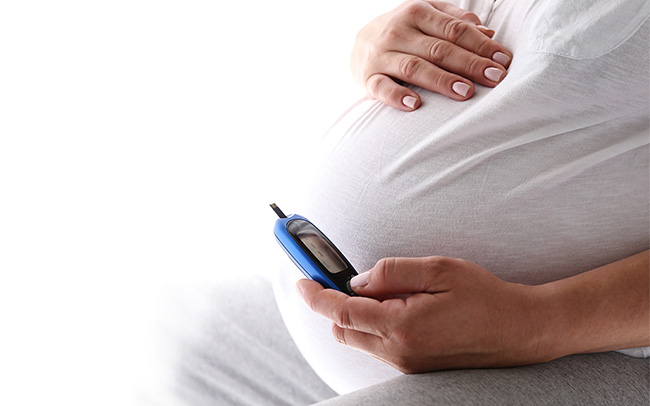 Gestational diabetes is high blood sugar that develops during pregnancy and usually disappears after the birth. It occurs when the body cannot produce enough insulin (a hormone responsible for controlling blood sugar levels) to meet the increased demands of pregnancy. Symptoms aren’t common, but many women are screened for this condition during pregnancy, particularly if they have certain risk factors. Ask your midwife if you are at risk of developing gestational diabetes and if you need to be tested.
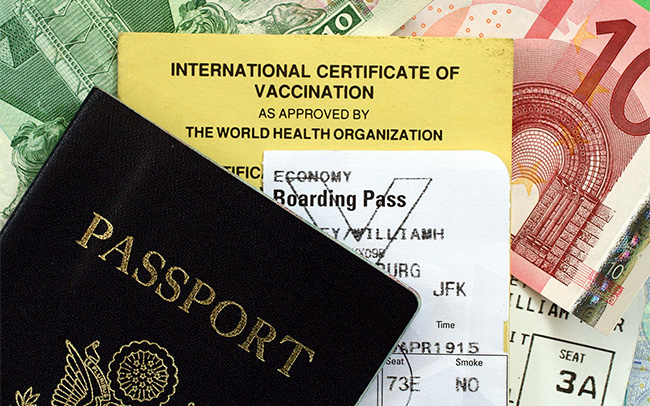 If you are travelling to countries that require specific vaccinations please speak to your practice nurse. Some vaccines that use live bacteria or viruses are not recommended during pregnancy because of concerns they could harm the baby in the womb. Inactivated vaccines are safe in pregnancy.
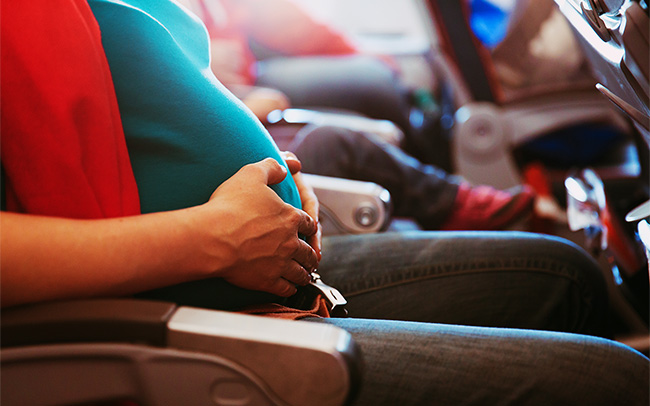 Flying is not harmful to you or your baby, but it is important to discuss your pregnancy with your midwife or doctor before travelling by plane.
The likelihood of going into labour is higher after 37 weeks and some airlines will not let you fly towards the end of pregnancy. Check with the airline directly about this. After week 28 of pregnancy, the airline may ask for a letter from your GP confirming your due date, and that you aren’t at risk of complications.
Long-distance travel carries a small risk of blood clots (known as deep vein thrombosis or DVT). Discuss any long-haul travel with your doctor as you may require DVT preventative medication, particularly if you have other risk factors.
When in the air, drink plenty of water and move around the cabin regularly. You can buy a pair of compression stockings from a pharmacy, which will help reduce the risk of DVT.
Flying is not harmful to you or your baby, but it is important to discuss your pregnancy with your midwife or doctor before travelling by plane.
The likelihood of going into labour is higher after 37 weeks and some airlines will not let you fly towards the end of pregnancy. Check with the airline directly about this. After week 28 of pregnancy, the airline may ask for a letter from your GP confirming your due date, and that you aren’t at risk of complications.
Long-distance travel carries a small risk of blood clots (known as deep vein thrombosis or DVT). Discuss any long-haul travel with your doctor as you may require DVT preventative medication, particularly if you have other risk factors.
When in the air, drink plenty of water and move around the cabin regularly. You can buy a pair of compression stockings from a pharmacy, which will help reduce the risk of DVT.


