
Packing your maternity unit bag
 Here is a list of things to consider including in your bag. Even if you are planning a homebirth, it is useful to pack a bag in case your plans change before or during labour:
Here is a list of things to consider including in your bag. Even if you are planning a homebirth, it is useful to pack a bag in case your plans change before or during labour:
Here is a list of things to consider including in your bag. Even if you are planning a homebirth, it is useful to pack a bag in case your plans change before or during labour:
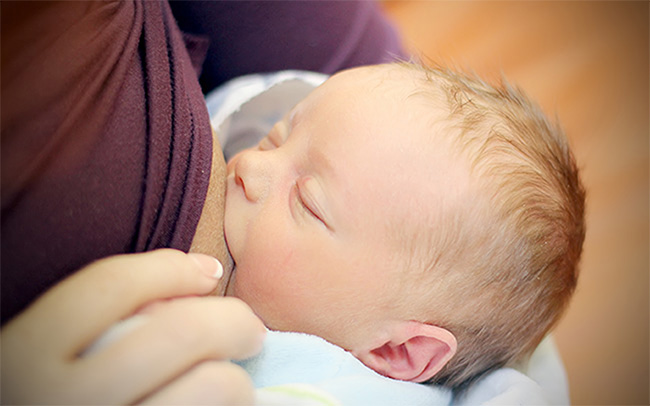 During pregnancy you will have a chance to discuss caring for and feeding your baby, including information about the value of breastfeeding for you and your baby’s health, and how to get breastfeeding off to a good start. It’s never too early to start thinking about how you’re going to feed your baby, but you don’t have to make up your mind until your baby is born. Talking to your midwife about your thoughts and feelings about feeding your baby can be really helpful. You will be supported whatever way you decide to feed your baby.
To help feeding go well, ask your midwife about antenatal breastfeeding classes at your maternity unit or in your local area. This can help you and your partner/supporter to feel more confident and prepared, and help you to avoid some common feeding problems early on. If you have particular questions or concerns about feeding, ask your midwife for an appointment with an infant feeding specialist during pregnancy.
All women are offered the opportunity to hold their baby in skin-to-skin contact straight after birth, for as long as they want. Discuss the benefits of skin-to-skin contact for both you and your baby with your midwife, and how you feel about it.
A midwife will offer to help you to start breastfeeding, or show you how to bottle feed responsively as soon as your baby shows signs that they are ready to feed, usually within the first hour after birth. Your baby won’t be separated from you unless he or she requires special care. After your baby is born you will be offered support from your maternity team to ensure breastfeeding gets off to a positive start. There will also be support available when you are at home.
During pregnancy you will have a chance to discuss caring for and feeding your baby, including information about the value of breastfeeding for you and your baby’s health, and how to get breastfeeding off to a good start. It’s never too early to start thinking about how you’re going to feed your baby, but you don’t have to make up your mind until your baby is born. Talking to your midwife about your thoughts and feelings about feeding your baby can be really helpful. You will be supported whatever way you decide to feed your baby.
To help feeding go well, ask your midwife about antenatal breastfeeding classes at your maternity unit or in your local area. This can help you and your partner/supporter to feel more confident and prepared, and help you to avoid some common feeding problems early on. If you have particular questions or concerns about feeding, ask your midwife for an appointment with an infant feeding specialist during pregnancy.
All women are offered the opportunity to hold their baby in skin-to-skin contact straight after birth, for as long as they want. Discuss the benefits of skin-to-skin contact for both you and your baby with your midwife, and how you feel about it.
A midwife will offer to help you to start breastfeeding, or show you how to bottle feed responsively as soon as your baby shows signs that they are ready to feed, usually within the first hour after birth. Your baby won’t be separated from you unless he or she requires special care. After your baby is born you will be offered support from your maternity team to ensure breastfeeding gets off to a positive start. There will also be support available when you are at home.
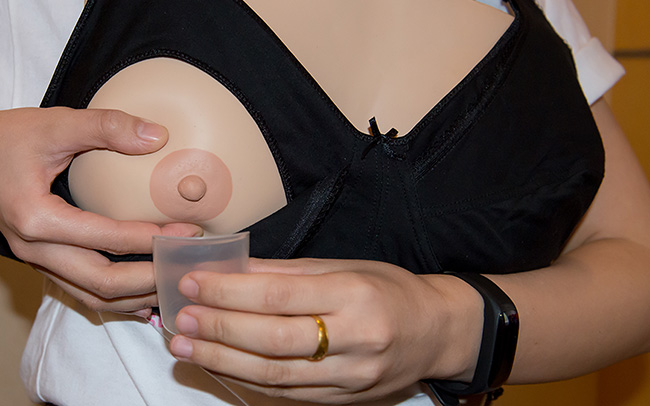 Mothers start to produce colostrum (early breast milk) mid-way through pregnancy. Learning how to express this milk before your baby comes can be very useful, particularly if your baby is likely to be premature or separated from you after birth or if you are diabetic or taking medication for high blood pressure. You can start this from around 37 weeks gestation, and you can collect your colostrum and store it in the freezer if you wish. You may only express a few drops of colostrum when you first start hand expression – this is normal and does not mean that you don’t have any milk. It is still worthwhile practising the technique in preparation for your baby’s arrival.
Read the related links for more information and talk to your midwife or infant feeding specialist.
See How to hand express within Expressing milk in the After your baby is born section for a step by step guide and video.
Mothers start to produce colostrum (early breast milk) mid-way through pregnancy. Learning how to express this milk before your baby comes can be very useful, particularly if your baby is likely to be premature or separated from you after birth or if you are diabetic or taking medication for high blood pressure. You can start this from around 37 weeks gestation, and you can collect your colostrum and store it in the freezer if you wish. You may only express a few drops of colostrum when you first start hand expression – this is normal and does not mean that you don’t have any milk. It is still worthwhile practising the technique in preparation for your baby’s arrival.
Read the related links for more information and talk to your midwife or infant feeding specialist.
See How to hand express within Expressing milk in the After your baby is born section for a step by step guide and video.
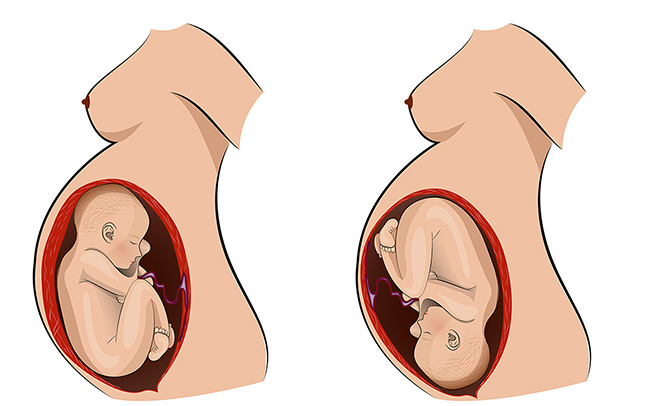 This is a procedure in which a doctor, or specialist midwife attempts to the turn the baby into the correct position using gentle pressure on your abdomen with their hands.
ECV is successful in about 50% of women and is generally safe. One in every 200 babies will need to be delivered by emergency caesarean after an ECV, and your baby will be monitored before and after the procedure to ensure they remain well.
This is a procedure in which a doctor, or specialist midwife attempts to the turn the baby into the correct position using gentle pressure on your abdomen with their hands.
ECV is successful in about 50% of women and is generally safe. One in every 200 babies will need to be delivered by emergency caesarean after an ECV, and your baby will be monitored before and after the procedure to ensure they remain well.
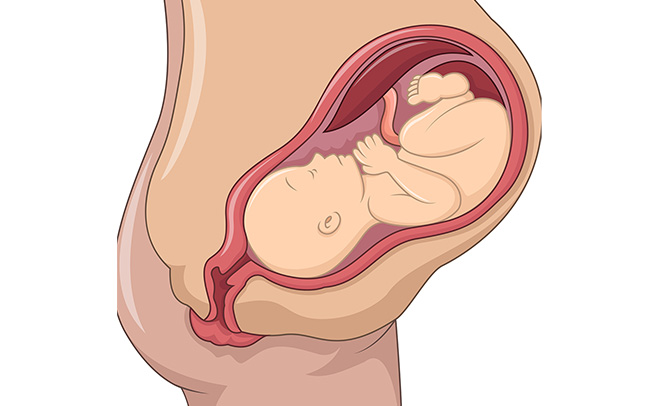 From 36 weeks pregnant, your baby should turn to the head down (cephalic) position in preparation for birth.
A small number of babies will not be in this position, and may be either breech (bottom first) or transverse/oblique (lying sideways across your abdomen). If your midwife suspects that your baby is not in the head down position, you may be offered a scan and appointment with a doctor/specialist midwife to discuss your options. These options can include either attempting to turn your baby (see related links below), vaginal breech birth or planned caesarean birth.
If your baby isn’t head down, don’t worry – there are many options available to you and your team will help you to make any decisions regarding your care moving forward.
Find out more about vaginal breech birth by reading:
From 36 weeks pregnant, your baby should turn to the head down (cephalic) position in preparation for birth.
A small number of babies will not be in this position, and may be either breech (bottom first) or transverse/oblique (lying sideways across your abdomen). If your midwife suspects that your baby is not in the head down position, you may be offered a scan and appointment with a doctor/specialist midwife to discuss your options. These options can include either attempting to turn your baby (see related links below), vaginal breech birth or planned caesarean birth.
If your baby isn’t head down, don’t worry – there are many options available to you and your team will help you to make any decisions regarding your care moving forward.
Find out more about vaginal breech birth by reading:
 Completing a birth preferences plan can help you and your birth partner to think about your choices and preferences during labour and the birth of your baby. During your pregnancy you will have the opportunity to meet with your midwife/doctor and discuss the plan – try and do this around the time of your 34 or 36 week appointment. This will help your team understand the kind of birth you would like.
Read the in app content about labour and birth, then using the birth preferences plan in the Personal care and support plans section write down your thoughts and preferences. See below for what options to consider.
Completing a birth preferences plan can help you and your birth partner to think about your choices and preferences during labour and the birth of your baby. During your pregnancy you will have the opportunity to meet with your midwife/doctor and discuss the plan – try and do this around the time of your 34 or 36 week appointment. This will help your team understand the kind of birth you would like.
Read the in app content about labour and birth, then using the birth preferences plan in the Personal care and support plans section write down your thoughts and preferences. See below for what options to consider.

 Some women may find it helpful to talk to someone about their birth options. This is especially true if they have had a pregnancy, labour or birth that was difficult previously, or if something unexpected happened. It is not unusual to be unsure about your options or what effect any choices may have on this pregnancy and birth.
You can speak to your midwife, and if needs be she will refer you to a birth options clinic, which is normally run by the consultant midwife at your chosen maternity unit.
If you are considering requesting a planned caesarean birth, this decision would be made with you and the specialist midwifery and obstetric teams. Ask your midwife to refer you to the appropriate clinic, where you will be able to discuss your options.
Some women may find it helpful to talk to someone about their birth options. This is especially true if they have had a pregnancy, labour or birth that was difficult previously, or if something unexpected happened. It is not unusual to be unsure about your options or what effect any choices may have on this pregnancy and birth.
You can speak to your midwife, and if needs be she will refer you to a birth options clinic, which is normally run by the consultant midwife at your chosen maternity unit.
If you are considering requesting a planned caesarean birth, this decision would be made with you and the specialist midwifery and obstetric teams. Ask your midwife to refer you to the appropriate clinic, where you will be able to discuss your options.
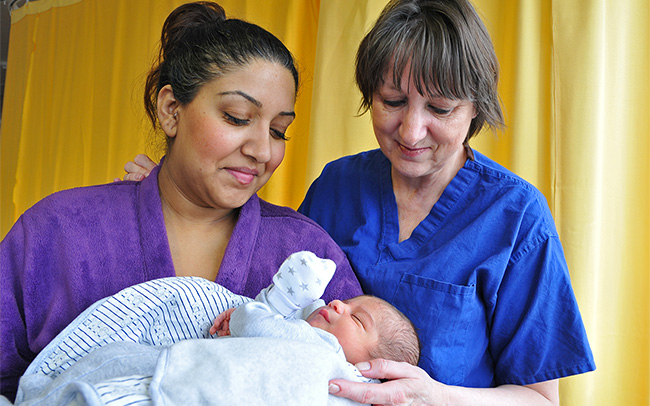 Safety is always the priority, so if you have certain needs or complications with your health and/or pregnancy it may mean that giving birth on a labour ward is the safest option. Your midwife or doctor will discuss this with you if it is their recommendation.
If this is your first baby, and your pregnancy is considered low-risk, it is just as safe to have your baby in a midwife-led birthing centre as it is to have your baby in a labour ward. Research shows the risk to the baby is slightly increased when planning to give birth at home.
If this is your second or subsequent baby, it is just as safe to have your baby at home as it is to have your baby in a midwife-led unit or in a labour ward. Women who give birth at home, or in a midwife-led birthing centre are much less likely to require medical assistance including caesarean section, instrumental delivery, blood transfusion and episiotomy.
Safety is always the priority, so if you have certain needs or complications with your health and/or pregnancy it may mean that giving birth on a labour ward is the safest option. Your midwife or doctor will discuss this with you if it is their recommendation.
If this is your first baby, and your pregnancy is considered low-risk, it is just as safe to have your baby in a midwife-led birthing centre as it is to have your baby in a labour ward. Research shows the risk to the baby is slightly increased when planning to give birth at home.
If this is your second or subsequent baby, it is just as safe to have your baby at home as it is to have your baby in a midwife-led unit or in a labour ward. Women who give birth at home, or in a midwife-led birthing centre are much less likely to require medical assistance including caesarean section, instrumental delivery, blood transfusion and episiotomy.
 This is a decision you will make following discussion with your midwife or doctor at around 34-36 weeks of pregnancy, but it is helpful to start thinking about your preferences before this time.


