
Getting ready for birth


 About one in 25 babies are in a breech position (bottom first or feet first) after 36 weeks of pregnancy. If your baby remains breech, you should be offered the choice of attempting to turn your baby, planning a caesarean birth or planning a vaginal birth. The most likely outcome, no matter what you choose, is that you and your baby will be well. But it’s important for you to consider the benefits and risks of each option for you.
Turning the baby head-down gives you the greatest chance of a vaginal birth, about 80%. The procedure of attempting to turn a breech baby is known as External Cephalic Version (ECV). If baby remains breech, only about 60% of these babies will be born vaginally. Some will require a pre-labour caesarean birth, and some will require a caesarean delivery in labour.
All women with a baby who remains breech are offered the option of a planned caesarean birth at 39 weeks. That is because we can identify a difference in short-term outcomes for breech babies. Following a caesarean birth, the perinatal mortality (death) rate is reduced, at 0.5 in 1,000, compared to 1 in 1,000 following a head-first birth, and 2 in 1,000 following a breech birth. In the short-term, there is also an increased chance your baby could need special care following a vaginal birth. However, by two years of age, the same studies show no difference between planning a caesarean birth and planning a vaginal birth for a breech baby.
The benefits of planning a vaginal birth include a quicker recovery and avoidance of the risks associated with caesarean surgery. These include things like heavy bleeding and infection. A caesarean scar also introduces some additional risks, for mother and baby, in all future pregnancies. The perineal outcomes (remaining intact) are similar or better following vaginal breech births, compared to head-first births, and there are fewer instrumental deliveries. You should have the same choice of pain relief, and freedom to choose your birthing position, as you would in any birth. But some of this may depend on the experience of your team, so you should discuss it with them.
Your doctor or specialist midwife will be able to provide you with more information about some specific clinical situations that make breech births safe or less safe, and whether these apply to you. The most important factor that influences the safety of vaginal breech birth is the training, skill and experience of the professionals attending the birth. If your hospital is unable to provide you with a skilled attendant, and you would like to consider planning a vaginal breech birth, you should be offered a referral to a hospital that can.
About one in 25 babies are in a breech position (bottom first or feet first) after 36 weeks of pregnancy. If your baby remains breech, you should be offered the choice of attempting to turn your baby, planning a caesarean birth or planning a vaginal birth. The most likely outcome, no matter what you choose, is that you and your baby will be well. But it’s important for you to consider the benefits and risks of each option for you.
Turning the baby head-down gives you the greatest chance of a vaginal birth, about 80%. The procedure of attempting to turn a breech baby is known as External Cephalic Version (ECV). If baby remains breech, only about 60% of these babies will be born vaginally. Some will require a pre-labour caesarean birth, and some will require a caesarean delivery in labour.
All women with a baby who remains breech are offered the option of a planned caesarean birth at 39 weeks. That is because we can identify a difference in short-term outcomes for breech babies. Following a caesarean birth, the perinatal mortality (death) rate is reduced, at 0.5 in 1,000, compared to 1 in 1,000 following a head-first birth, and 2 in 1,000 following a breech birth. In the short-term, there is also an increased chance your baby could need special care following a vaginal birth. However, by two years of age, the same studies show no difference between planning a caesarean birth and planning a vaginal birth for a breech baby.
The benefits of planning a vaginal birth include a quicker recovery and avoidance of the risks associated with caesarean surgery. These include things like heavy bleeding and infection. A caesarean scar also introduces some additional risks, for mother and baby, in all future pregnancies. The perineal outcomes (remaining intact) are similar or better following vaginal breech births, compared to head-first births, and there are fewer instrumental deliveries. You should have the same choice of pain relief, and freedom to choose your birthing position, as you would in any birth. But some of this may depend on the experience of your team, so you should discuss it with them.
Your doctor or specialist midwife will be able to provide you with more information about some specific clinical situations that make breech births safe or less safe, and whether these apply to you. The most important factor that influences the safety of vaginal breech birth is the training, skill and experience of the professionals attending the birth. If your hospital is unable to provide you with a skilled attendant, and you would like to consider planning a vaginal breech birth, you should be offered a referral to a hospital that can.
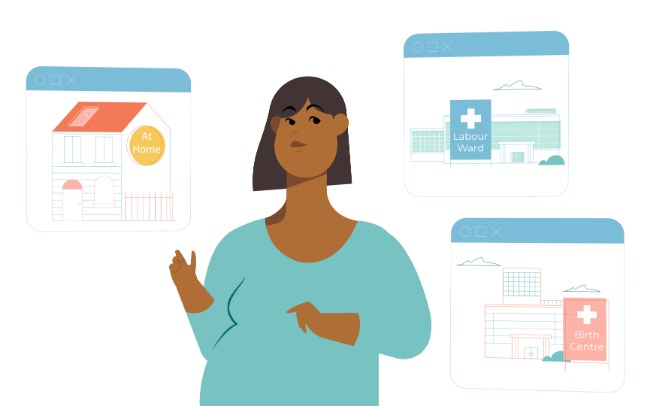
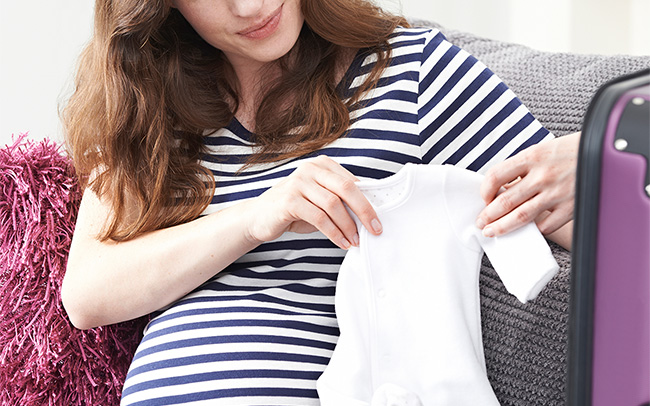 Towards the end of pregnancy, you may feel a variety of different emotions as the birth becomes closer. You may feel excited, anxious or even scared – this is all normal. There are things that you can do to help you prepare for birth.
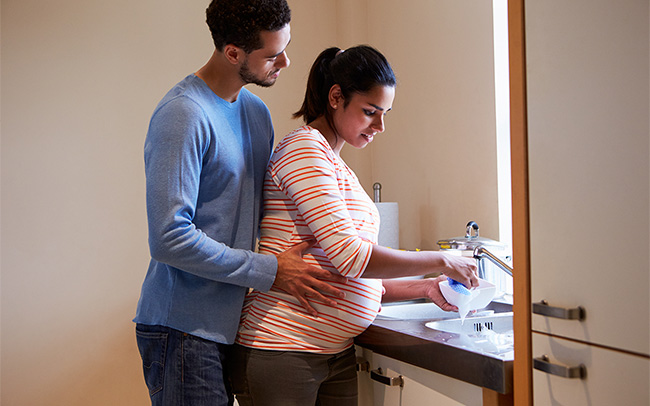
 ❏ 1 x pack of nappies
❏ Clothes; sleepsuits and vests (3-4 of each)
❏ Several cotton hats and a woolly hat
❏ Clothes for going home
❏ Socks/mittens (x2 pairs)
❏ Cotton wool/water wipes
❏ Muslin square/bibs
❏ Car seat to take baby home – learn how to use beforehand!
❏ Baby blanket/shawl
If you are planning to formula feed your baby; check with your midwife what you need to take to the maternity unit.
❏ 1 x pack of nappies
❏ Clothes; sleepsuits and vests (3-4 of each)
❏ Several cotton hats and a woolly hat
❏ Clothes for going home
❏ Socks/mittens (x2 pairs)
❏ Cotton wool/water wipes
❏ Muslin square/bibs
❏ Car seat to take baby home – learn how to use beforehand!
❏ Baby blanket/shawl
If you are planning to formula feed your baby; check with your midwife what you need to take to the maternity unit. 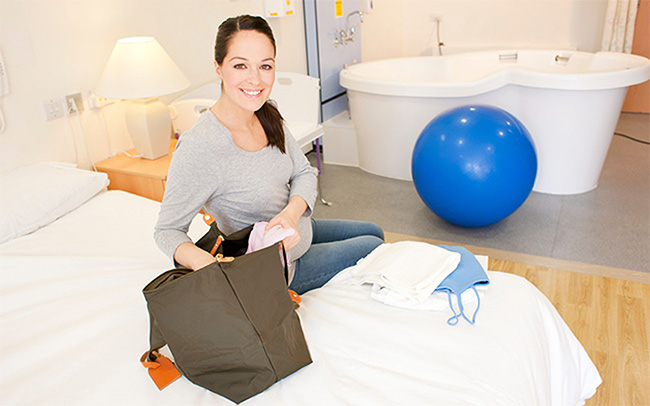 ❏ maternity notes and personal care plan
❏ any medications that you take regularly
❏ comfy clothes to wear in labour
❏ slippers and/or flip-flops
❏ dressing gown and pyjamas/nightdress (2) that open at the front (for ease of feeding)
❏ comfy clothes to wear home
❏ crop top/bikini top if using water/birthing pool
❏ comfortable bra/feeding bra
❏ knickers for after the birth – large size, cotton and comfortable and/or disposable knickers
❏ adult size towel (2 if using birthing pool)
❏ toiletries, including toothbrush and toothpaste, hairbrush, hair ties and lip balm
❏ 2 packs of maternity sanitary pads (thick and ultra-absorbent)
❏ breast pads
❏ massage oils for use in labour
❏ glasses/contact lenses
❏ portable speakers/earphones to play music
❏ drinks, snacks and drinking straws
❏ water spray/fan
❏ extra pillow(s)
❏ TENS machine (if you plan to use one)
❏ books/magazines
❏ phone and charger
❏ maternity notes and personal care plan
❏ any medications that you take regularly
❏ comfy clothes to wear in labour
❏ slippers and/or flip-flops
❏ dressing gown and pyjamas/nightdress (2) that open at the front (for ease of feeding)
❏ comfy clothes to wear home
❏ crop top/bikini top if using water/birthing pool
❏ comfortable bra/feeding bra
❏ knickers for after the birth – large size, cotton and comfortable and/or disposable knickers
❏ adult size towel (2 if using birthing pool)
❏ toiletries, including toothbrush and toothpaste, hairbrush, hair ties and lip balm
❏ 2 packs of maternity sanitary pads (thick and ultra-absorbent)
❏ breast pads
❏ massage oils for use in labour
❏ glasses/contact lenses
❏ portable speakers/earphones to play music
❏ drinks, snacks and drinking straws
❏ water spray/fan
❏ extra pillow(s)
❏ TENS machine (if you plan to use one)
❏ books/magazines
❏ phone and charger 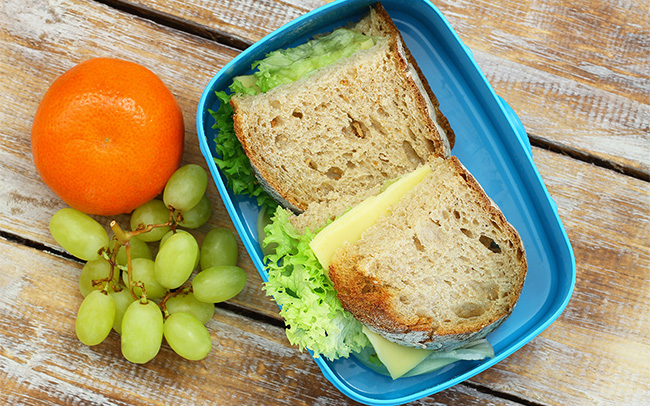 ❏ coins for car park/car park payment details
❏ drinks and snacks
❏ phone and charger
❏ camera
❏ books magazine
❏ comfy clothes/shoes/shorts
❏ overnight stay clothes/toiletries etc. if planning/able to stay
❏ coins for car park/car park payment details
❏ drinks and snacks
❏ phone and charger
❏ camera
❏ books magazine
❏ comfy clothes/shoes/shorts
❏ overnight stay clothes/toiletries etc. if planning/able to stay 


