Pregnancy of unknown location: Frequently asked questions
What does this mean for me?
A Pregnancy of Unknown Location (PUL) is when you have a positive pregnancy test but a pregnancy could not be seen on ultrasound scan. There are three main reasons why this can occur:
1. The pregnancy is very early and it is too small to be seen on ultrasound scan.
2. The pregnancy has ended in a miscarriage and cannot be seen on ultrasound scan. It can take up to 3 weeks for the pregnancy hormone levels to drop to non-pregnant levels, which is why a pregnancy test may still be positive. This situation is more likely if you have recently had heavy bleeding.
3. The pregnancy has implanted outside the womb, called an ectopic pregnancy, but is too small to be visualised on ultrasound scan.
What will happen next?
You will have your pregnancy hormone (βHCG) level test. Some hospitals also take a test to assess the progesterone (ovarian hormone) level. The βHCG levels may then be repeated in 48 hours according to the protocol of your local Early Pregnancy Unit (EPU).A βHCG level rise of 63% over a 48-hour period (known as the ‘doubling time’) is usually (but not exclusively) associated with a pregnancy developing in the uterus. The pattern of these blood tests will help to guide further management including when to repeat further blood tests, urine pregnancy tests or a repeat ultrasound scan.This can be a stressful time, and it is natural to feel anxious while the location of your pregnancy is uncertain, particularly if you have had a pregnancy loss before. However, the time needed to get the right diagnosis is important and you will be supported throughout by your specialist team in the EPU. You will be advised to attend for further blood tests and scans to make a correct diagnosis of the pregnancy location and to offer you the right care and support. You will be able to contact the team with any queries or concerns you have during this time.
What worrying signs should I look out for?
The risk is that this may be an ectopic pregnancy (a pregnancy implanted outside the womb), which sometimes can cause life threatening internal (abdominal) bleeding. The risk of this happening is very low and your EPU team will guide. However, you should call your local EPU for advice or attend your local Accident and Emergency (A&E) department if you have of the following concerns:
Vaginal bleeding: If you have any heavy bleeding with severe abdominal pain, fever, or offensive discharge you should seek urgent medical help. However, bleeding is pregnancy is common and may not actually be heavy. It is not always a sign of something serious but should always be investigated.
Abdominal (tummy) pain: This typically occurs in the lower part of your abdomen, often on one side and can develop gradually or suddenly and may be quite intense. The pain may come and go and may sometimes be confused with ‘trapped wind’. Pain should also always be investigated in early pregnancy.
Shoulder tip pain: This is pain around the shoulder blades, and you should seek urgent medical help if this happens. It may be linked with internal bleeding in the abdomen and irritation of the nerves in this area leads to shoulder tip pain.
Diarrhoea: This may also be linked with internal bleeding like shoulder tip pain, as described above. In such cases there will also be abdominal pain and you should also seek urgent medical help if this happens.
Ectopic pregnancy rupture: In addition to the above, any of the following symptoms could be a sign of ectopic rupture and requires urgent A&E attendance – constant, severe abdominal pain; nausea/vomiting; dizziness/feeling faint; looking pale.
A molar pregnancy is also known as a Hydatidiform mole or Gestational Trophoblastic Disease. In a molar pregnancy the placental cells grow abnormally. Molar pregnancies occur sporadically as a result of imbalance in the number of chromosomes. Because of this imbalance it is not possible for a healthy pregnancy to develop. There are two types of molar pregnancy.
1. Partial mole
This is where two sperms have fertilised an egg and there are three sets of chromosomes instead of the normal two.
2. Complete mole
This is where one sperm (or sometimes two) fertilises an empty egg (containing no genetic material).
How is it diagnosed?
The diagnosis of a molar pregnancy is often made after a miscarriage, when the pregnancy tissue has been looked under the microscope by a hospital laboratory. There are specific criteria used by the laboratory to determine if the pregnancy was partial and complete molar pregnancy. Sometimes there may be a suspicion of this diagnosis on an ultrasound scan but it can only be confirmed after a detailed examination under the microscope.
What happens next?
When there is a suspicion of a molar pregnancy, an operation to remove the pregnancy tissue from the womb will be required, as this is not a healthy pregnancy. This operation is usually done under general anaesthetic and involves a small suction tube being passed through the vagina and cervix (the neck of your womb) to remove the pregnancy. The pregnancy tissue will be sent to the laboratory for detailed assessment.If a molar pregnancy is confirmed, you will need serial blood tests to confirm that the pregnancy hormone (βHCG) reduce to negative levels. This is important as there is a small risk that some of the abnormal pregnancy cells could develop into a more severe form of molar pregnancy (see below).You will be referred to the nearest highly specialist centre near you, which are based in London, Sheffield or Dundee who will be in charge of this follow up over several weeks and months. This follow-up is very important because in some cases the molar pregnancy keeps growing and can occasionally develop into a rare form of cancer called Gestational Trophoblastic Neoplasia. This is not common and if it does occur treatment with chemotherapy is associated with extremely high cure rates (98-100% cure rate).It is very important that you do not fall pregnant until your follow-up has been complete. Nearly all methods of contraception are safe to use, but an intrauterine device such as a coil is not recommended until your betaHCG becomes negative. We recommend you discuss the most appropriate type of contraception further with your doctor. The risk of molar pregnancy happening again in future pregnancy is low and is around 1 in 100 women.
Intrauterine pregnancy of uncertain viability: Frequently asked questions
What does this mean for me?
It means the pregnancy has been seen within the womb (uterus) on ultrasound scan, but a tiny baby (embryo) was not seen, or the tiny baby was seen but no heartbeat.
Why is this happening to me?
There are two possible reasons:
This can be a completely normal finding in a very early pregnancy. A urine pregnancy test can be positive as early as 5 days before you miss your next period. An Intrauterine pregnancy of uncertain viability (IPUV) is also possible if your periods are irregular, you have recently stopped contraception, or you were recently pregnant.
It may also be that the pregnancy is not going to develop as expected, unfortunately. This is more likely if the size of the pregnancy does not match the number of weeks of your pregnancy. This may also be more likely if you develop bleeding in early pregnancy.
What happens next?
A repeat ultrasound scan in one to two weeks is offered to confirm if a tiny baby (embryo) with a heartbeat can be seen. We know this will be an anxious period of waiting but this time interval is needed to allow the pregnancy to develop. If the pregnancy does not develop as expected, there is the possibility you may be diagnosed with a miscarriage at rescan. But if we confirm at rescan your baby is developing normally and a heartbeat is seen, you should request further pregnancy (antenatal) care by completing a self-referral form for maternity care or speak to your GP about your pregnancy, if not done already.
What worrying signs should I look out for?
Vaginal bleeding in early pregnancy is common. Many women with bleeding go on to have a successful pregnancy without complication. Bleeding does increase your risk of miscarriage and may be one of the first signs of this.Symptoms of miscarriage include heavy bleeding with clots, as well as lower tummy (abdominal) cramps or contraction like pain. If you are concerned you should call your local early pregnancy unit for advice or attend your local emergency department (A&E).If the bleeding becomes severe (having to change a pad every hour or passing large clots), severe pain that is not controlled with pain relief, or you have a fever, then you should attend your nearest A&E.
What should I do if I think I am miscarrying?
Sadly, miscarriages are common and there is a risk this may happen before the next ultrasound scan. This is unlikely to be related to anything you have done or not done but unfortunately it is not possible to prevent a miscarriage at this stage. You can take pain relief such as paracetamol and codeine to help ease any pain. If you have concerns about miscarrying or managing your emotions at this difficult time of uncertainty, then you should call your local Early Pregnancy Unit (EPU) to seek advice or attend A&E if you feel unwell.
A healthy pregnancy grows inside the uterus (womb), but an ectopic pregnancy is one where the pregnancy grows outside of the uterus. This occurs in about 1 in 80 pregnancies. Unfortunately, a pregnancy that implants outside of uterus cannot survive. The most common place for an ectopic pregnancy to grow is inside the Fallopian tube (the pair of tubes along which eggs travel from the ovaries to the uterus), although it can occur in other places. It can be dangerous if the pregnancy continues to grow and bursts (ruptures) as this can cause life-threatening internal bleeding.
Why is this happening to me?
Many women have no risk factors for developing an ectopic pregnancy. Certain things do increase your risk such as: a previous ectopic pregnancy; a history of pelvic inflammatory disease or endometriosis affecting the Fallopian tubes; smoking; previous pelvic or fallopian tube surgery; use of emergency contraception; age (especially 35-40 years), a history of infertility, or a pregnancy conceived via assisted conception or fertility treatments. Pregnancy is very uncommon with an intrauterine device in situ (such as a copper coil or Mirena), or use of the progesterone-only pill, but if you were to fall pregnant with this type of contraception this can also increase your risk.
What happens next?
A diagnosis of ectopic pregnancy is usually made with a combination of an ultrasound scan and regular blood tests to look at your pregnancy hormone levels βHCG (beta human chorionic gonadotropin).
What worrying signs should I look out for?
Vaginal bleeding: this is often less than a usual period or the amount or colour is different to period. If you were not aware you were pregnant you may even mistake it as a normal period. However, bleeding in pregnancy is common and is not always a sign of something serious, but should always be investigated at your local Early Pregnancy Unit (EPU).Abdominal (tummy) pain: this typically occurs in the lower part of your abdomen often on one side and can develop gradually or suddenly and may be quite intense. The pain may come and go and may sometimes be confused with ‘trapped wind’. Pain should also always be investigated in early pregnancy.Shoulder tip pain: This is pain around the shoulder blades, and you should seek urgent medical help if this happens. It may be linked with internal bleeding in the abdomen and irritation of the nerves in this area leads to shoulder tip pain.Diarrhoea: This may also be linked with internal bleeding like shoulder tip pain, as described above. In such cases there will also be abdominal pain and you should also seek urgent medical help if this happens.Ectopic pregnancy rupture: in addition to the above, any of the following symptoms could be a sign of ectopic rupture and requires urgent A&E attendance: constant, severe abdominal pain; nausea/vomiting; dizziness/feeling faint; looking pale.
How is it treated?
There are three treatment options for ectopic pregnancy:
Expectant management (waiting to see if the ectopic pregnancy resolves by itself)
Medicine to prevent the ectopic pregnancy from developing further
Surgery to remove the ectopic pregnancy.
Treatment options will depend on many different factors including, the size and location of the ectopic pregnancy, your blood results, your symptoms, any previous medical and surgical treatments. A specialist will talk you through your options and together you can choose the most suitable management plan. It is important to highlight your future pregnancy plans in this discussion.
Expectant management
If you are suitable for this option and choose to have expectant management, you will be monitored to see if your ectopic pregnancy resolves by itself. This involves regular blood tests to check your pregnancy hormone levels (referred to as βHCG (HCG) until they fall and become negative. This can take up to 6 weeks (or longer in small number of cases). The success of expectant management is variable and ranges from 30-100%. It is more likely to be successful if the pregnancy is small and your starting βHCG levels are low. If it is unsuccessful you may require further treatment with medicine or surgery.
Medical management
If you are suitable for this method, you may be offered the option of a medicine called Methotrexate to treat the ectopic pregnancy. This is normally a single injection, however approximately 15 in 100 women require a second injection. In some cases, medical management may be unsuccessful, and 7 in 100 women will go on to require surgery.As with expectant management you will require regular follow up with blood tests to ensure your pregnancy hormone, βHCG levels fall. If medical treatment is successful it will result in a 15% fall in your βHCG level by 1 week after a single methotrexate injection. It may take up to 6 weeks for the βHCG levels to become negative.Side effects of the medication are rare but include nausea/ vomiting, feeling fatigued, skin rashes, mouth ulcers, abdominal cramping, diarrhoea, sensitivity to sunlight, temporary hair loss and lung inflammation. The medicine can briefly affect your liver, kidneys, and bone marrow (where important blood cells which help fight infection are made) and therefore you will need additional blood tests along with betaHCG levels during your follow up. You should avoid alcohol and vitamins containing folic acid.Once your βHCG levels become negative you can drink alcohol and you should restart folic acid to rebuild your folate levels during the 3-month washout period for methotrexate.It is very important that you do not fall pregnant for at least 3 months after having this medicine, if you were to fall pregnant there is a risk of birth defects to a developing baby; this risk is no longer present after 3 months. You should discuss contraception options with the doctor or nurse in the early pregnancy unit, or with your GP.
Surgical treatment
This may be offered as an option or recommended as the best course of treatment for you. This will involve general anaesthesia and the entry into the tummy can be done in two ways:
Keyhole surgery (laparoscopy) – this is the standard surgical approach for nearly all cases.
Open surgery (laparotomy) – this may be needed on an individual case basis, unique to your clinical circumstances.
Managing the ectopic pregnancy can be done in two ways and this will be influenced by the health of the other fallopian tube, the one without the ectopic pregnancy:
Salpingectomy, involves the removal of the entire fallopian tube that contains the ectopic pregnancy. This is recommended if the other tube looks healthy.
Salpingostomy is considered if the other tube (not containing the ectopic pregnancy) does not look healthy or is absent. This involves making an incision on the fallopian tube to remove the ectopic pregnancy. The fallopian tube is not removed in this operation.
Both procedures carry small risks associated with having a surgical procedure and general anaesthetic. This includes risk of damage to other organs inside the abdomen such as the bowel, bladder, ureters (tubes that connect the bladder and the kidneys) and blood vessels. The surgeon and anaesthetist will talk you through the risks involved in more details.
After the operation, if your blood group is Rhesus negative, you should be offered an injection called Anti-D to prevent a condition from Rhesus Isoimmunisation. Rhesus Isoimmunisation is where your body develops antibodies if your baby’s blood group is Rhesus positive in this pregnancy. The Anti-D injection prevents your body developing antibodies which can negatively affect a Rhesus positive baby in future pregnancies and is recommended to remove this risk.
What worrying signs should I look out for after expectant or medical treatment?
If you opt for expectant or medical management you will be able to return home. It’s important that you seek urgent medical attention and attend the A&E department, at any time of the day or night if you develop new symptoms including severe abdominal pain, shoulder tip pain, feeling unwell, faint or collapse. Inform A&E team of the diagnosis of ectopic pregnancy, who will arrange for an urgent review by gynaecology services. This is because there is still a small risk of the tubal pregnancy rupturing, which can potentially cause life-threatening internal bleeding.
When can I get pregnant again?
It is very important that you do not fall pregnant until you have completed your follow up after an ectopic pregnancy and your local Early Pregnancy Unit (EPU) confirm βHCG levels have become negative with blood or urine pregnancy tests.If you chose to have Methotrexate then you need to wait at least 3 months before trying to conceive again. If Methotrexate was not used and your EPU confirms you are no longer pregnant you should wait for at least one period before trying again to help reset your body clock.However, you should only try for another pregnancy again when you feel ready as the emotional recovery often takes longer than the physical recovery. In your next pregnancy it is most likely that the pregnancy will be in the correct place inside the uterus. However, 10-18 women per 100 will have another ectopic pregnancy. You should therefore contact your local EPU as soon as you know you are pregnant so you can get booked in for an early scan from 5-6 weeks to confirm the location of the pregnancy.
Nausea and vomiting are common symptoms of pregnancy and affects 8 in 10 women. It usually starts early in pregnancy and resolves by the end of the first trimester, although in some cases it can last for longer. Some women have more severe symptoms, particularly if:
they had it before: or
are having multiple pregnancy like twins or triplets; or
an uncommon condition known as a molar pregnancy.
Sometimes the symptoms of nausea and vomiting are due to causes such as infection of your bowel, kidney or appendix, or inflammation of your stomach. It is important that these other causes are excluded particularly if you have unusual symptoms such as fever, blood in your vomit, abdominal pain, or loose stools. It is important to consider these other causes if your symptoms only start after your 11th week of pregnancy.
What is Hyperemesis Gravidarum (HG)?
This a severe form of nausea and vomiting in pregnancy, where you become dehydrated, lose a significant amount of weight, and have abnormal blood tests. It may affect 1 to 3 in 100 pregnant women. Women with this condition may need to be attend hospital for rehydration. For many women, HG settles by 20 weeks (5 months) but occasionally it can last until the end of pregnancy.Nausea and vomiting of pregnancy can sometimes affect your mood and all aspects of your normal day and home life. In some women, the symptoms can be so severe that they become depressed and need extra support such as counselling. If you find that you persistently feel down then you should seek help and speak to your GP, midwife or local Early Pregnancy Unit (EPU).
What treatment do I need?
Most women with mild symptoms will be able to manage their symptoms themselves. You should eat small amounts often and avoid any foods or smells that trigger symptoms. Some women find eating or drinking ginger products helps. Complementary therapies such as acupressure or acupuncture may also be helpful.If this does not help, you should see your GP, who will prescribe anti-sickness medication. These are safe to take in pregnancy.If your symptoms do not settle despite oral anti sickness medication, and you have any of the following symptoms, you should attend your local Accident and Emergency (A&E) department or speak to the EPU at your local hospital:
You are not able to tolerate any food or water.
You feel dehydrated (thirsty, dry mouth, dark urine).
You have lost weight (losing 5% or more of your pre-pregnancy weight is a concern).
You have fever, blood in your vomit, abdominal pain, or loose stools.
You have a medical condition which requires you to take tablets you can no longer take due to vomiting e.g anti-epileptic drugs.
You have a medical condition such as a heart or kidney problem or diabetes.
In the hospital, you will be offered fluids through a drip as well as anti-sickness medication through a drip or as an injection. If these have not helped after regular use, corticosteroids may be added to your treatment, also through a drip. You may also be given some vitamin replacement drips and a blood thinning injection to reduce your risk of blood clots. You will also have some blood tests done and your urine tested to look for infection and to see how dehydrated you are.If you feel better with these, you can go home and return the following day for some more fluids and medication. This can be continued on a daily basis and avoid the need for admission. But if you are very unwell with your symptoms, you may be offered admission for closer monitoring and treatment.You will also be offered a non-urgent early pregnancy scan to check if you have a multiple pregnancy, or a molar pregnancy.
What will this mean for future pregnancies?
You are at a higher risk of developing this in future pregnancies, so do seek help early if you find that you are struggling with your symptoms.
Where can I find out more information about this condition?
Normal pregnancy sickness is short spells of nausea and occasional vomiting usually during the early stages of pregnancy. It is common in many pregnancies, normally beginning around 4-6 weeks and eases between 12-20 weeks. It can affect you at any time of the day or night, and some people feel sick all day long. It is usually well managed through diet and lifestyle changes. In general, there are no bad physical or mental side effects as it’s a normal part of pregnancy.
Coping strategies
If your sickness isn’t too bad, you can try some lifestyle changes:
Get plenty of rest as tiredness can make nausea worse.
Avoid foods or smells that make you feel sick.
Eat dry toast or a plain biscuit before you get out of bed.
Eat small, frequent meals of plain foods that are high in carbohydrate and low in fat (such as bread, rice, crackers and pasta).
Eat cold foods rather than hot ones if the smell of hot meals makes you feel sick.
Drink plenty of fluids, such as water (sipping them little and often may help prevent vomiting).
When to seek help
When your quality of life is being affected and you’re not able to manage your usual activities
If your symptoms are much worse than you were expecting them to be
If you are not keeping down any food or drink, or only a very small amount
If you’ve lost weight
If you have signs of dehydration such as dry mouth, dry lips, headaches or feel dizzy, weak or confused. Changes in urine (wee) being darker, not going as much or only weeing a small amount.
Please see the following information about Hyperemesis Gravidarum if you suspect you are suffering with a more severe form of pregnancy sickness.
What is Hyperemesis Gravidarum?
Hyperemesis Gravidarum (HG) is severe sickness and nausea in pregnancy where medical treatment and emotional support is needed. It can lead to a lot of weight loss and dehydration. Around 10,000-20,000 pregnancies a year are affected by this condition. It can start very early, even before a positive pregnancy test. Symptoms are usually the worst at 9-13 weeks, and get a bit better around 16-24 weeks, but it can go on all the way through the pregnancy for some people.
When to seek help
If you are being sick often and cannot keep food down, tell your midwife or doctor, or contact the hospital as soon as possible. There is a risk you may become dehydrated, and it is important you get the right treatment as soon as possible.You should always seek help if you suspect you have HG, or severe nausea and vomiting, or if you have any of the following symptoms:
Prolonged or constant nausea and/or vomiting affecting your day-to-day activities, like being about to go to work, look after your home or other children, or look after yourself.
You have signs of dehydration, such as a dry mouth, dry lips, headaches, dizziness, weakness, feeling confused. If your wee changes, for example if it is darker, you are not going as much, passing only a small amount.
If you’ve lost weight, this could be an indicator of HG.
Your symptoms are affecting your mental health and you are struggling to cope.
If you have had HG before, unfortunately, it’s likely you will get it again in another pregnancy. If you decide on another pregnancy, it can help to plan ahead, such as arranging childcare so you can get plenty of rest. Talk to your GP about starting medicine early. Medication can be prescribed before symptoms even begin.
Other symptoms of HG:
Sensitive to smells
Excessive saliva production
Headaches and constipation from dehydration
Loss of bladder control
Tiredness
Acid reflux
Sensitive to lights/noise/movement
Coping strategies
Rest! There may be times where symptoms have eased and you feel like you can do more, but it’s important to still rest as much as possible.
Avoid triggers of nausea as much as possible. If that means avoiding cooking and being as far away from the kitchen as possible while someone else is cooking, then that is what you must do. It’s okay to ask that your family, colleagues or friends avoid certain foods whilst you are around them. Other sensory stimulation such as noises, moving, screens, or bright lights may be triggers too and should be avoided if they make your symptoms worse.
Try to avoid getting dehydrated. If drinking triggers vomiting or nausea, then sucking ice cubes made of juice or drinking very slowly through a straw may be the only way to stay hydrated. Bottled water may taste better than tap water. If you can’t keep fluids down, then be prepared for a hospital admission to have fluids through a drip. This is vital for you and your baby’s health and can make you feel much better.
Keep a diary. Tracking your food and drink intake will be helpful for the doctor to assess what treatment you need and for you to see if you have any food triggers. Tracking your symptoms may show a pattern and show you when is the best time to eat. It can also help you prepare for when you know your symptoms will be worse.
There are several effective anti-sickness medications that can be taken in pregnancy, if needed. Hyperemesis Gravidarum (HG) is usually worse in the first trimester and it is important medication is started without delay.Most effective medications for nausea and vomiting are not licensed in pregnancy. This does not mean the medication is unsafe or can’t be used. Taking medicine in pregnancy is about weighing the possible benefits of the medication with the possible risks of either taking the medication or leaving the person without treatment. It is important to remember that untreated HG can be dangerous for mum and baby so generally, the benefits of taking medication outweigh any possible risks.Taking more than one type at a time can be more effective. There isn’t a cure, but you should know within 48 hours if the medication that you have been prescribed is helping or not. If the medicine isn’t helping enough, then you can go back to your GP to talk about what other medicines you could try.
Having a good support network can really help some of the physical and emotional symptoms of Hyperemesis Gradidarum (HG).Making sure you have supportive people who can help you at home and help you take care of yourself and other children you may have can relieve a lot of the stress that having HG is likely to cause. It can be hard to ask for help but it is important to remember that HG is a serious illness and, if your friend had it, you would want to help them, so ask for help and let other people help you.You’re likely to need time off work when suffering with HG and your employer has a duty of care to support you with this. Sick leave for pregnancy conditions must be recorded separately and you cannot lose your job because of pregnancy sickness.Pregnancy Sickness Support have a confidential forum where you can chat with other people who have suffered with pregnancy sickness or HG. The charity offers a helpline or webchat where you can get more specific information about the medication options, services in your area and self-help strategies.You can also get peer support from Pregnancy Sickness Support by calling the helpline: 07899 245001 Mon-Fri 9.00-17.00.
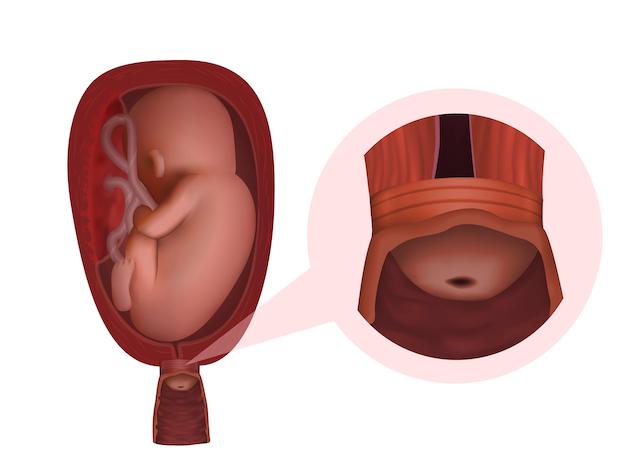
In some women, the muscles that surround the neck of the womb (cervix) are weaker than usual. This is known as cervical insufficiency, cervical incompetence or short cervix. Previous surgery or investigations to this area can sometimes cause the cervix to open too early, leading to miscarriage or pre-term birth. Cervical insufficiency can also be something you can be born with due to the shape of the uterus.The mid-trimester ultrasound scan will usually identify a short or weak cervix. Your doctor may want to check your cervix early in pregnancy if you have had several miscarriages or if you have had a baby born before 37 weeks of pregnancy.