
Recovery from vaginal or assisted birth
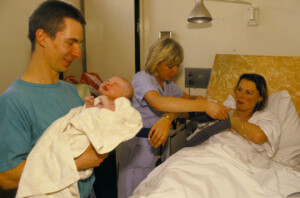
 Once you are admitted to the postnatal ward or discharged home from hospital to the care of the community midwife, you can expect that your body will need some time to recover from the birth. Midwives, maternity support workers or nurses may be involved in your care and will carry out routine checks to ensure that you are well. This will include a regular top to toe physical check, including inspection of sutures (stitches).
If you have had a vaginal birth you will be offered pain relief. Read “Commonly used medicines” to find out what painkillers are routinely offered. Read “After pains” and “Perineal after-care” which explains how you can help yourself if you are experiencing after pains or if you have had an episiotomy (cut) or a perineal tear. If you have had an assisted delivery you may need to have a urinary catheter for a few hours. Read “Passing urine” for more information.
It is important to eat well and drink plenty of fluids to promote health and wellbeing after any type of birth.
Once you are admitted to the postnatal ward or discharged home from hospital to the care of the community midwife, you can expect that your body will need some time to recover from the birth. Midwives, maternity support workers or nurses may be involved in your care and will carry out routine checks to ensure that you are well. This will include a regular top to toe physical check, including inspection of sutures (stitches).
If you have had a vaginal birth you will be offered pain relief. Read “Commonly used medicines” to find out what painkillers are routinely offered. Read “After pains” and “Perineal after-care” which explains how you can help yourself if you are experiencing after pains or if you have had an episiotomy (cut) or a perineal tear. If you have had an assisted delivery you may need to have a urinary catheter for a few hours. Read “Passing urine” for more information.
It is important to eat well and drink plenty of fluids to promote health and wellbeing after any type of birth.

 Eating healthily after the birth of your baby is as important as it was during pregnancy. Eating a balanced diet with plenty of clear fluids helps your body to recover. Speak to your midwife, health visitor, infant feeding specialist or GP if you have specific concerns relating to weight loss, diabetes or breastfeeding.
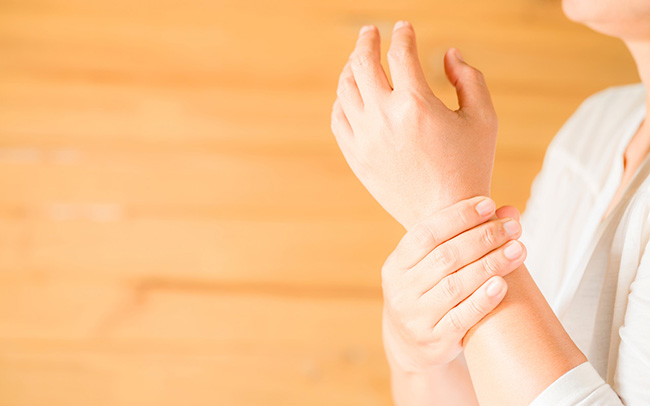
 During pregnancy, the body naturally retains more fluid, and swelling of the hands is common. If some of this fluid is localised to the carpal tunnel, this leads to pressure on the median nerve causing the symptoms of CTS. Up to 62% of pregnant women develop CTS. These symptoms are also common after the birth.
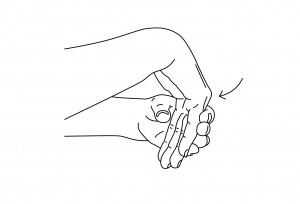
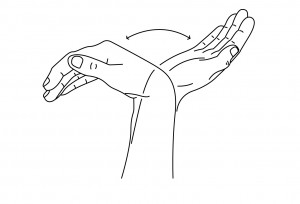 2. Hand squeeze. Make a release a fist (this can be done with your hands elevated). You could also squeeze a stress ball:
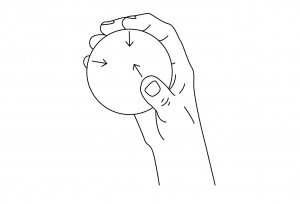 3. Fingers bend and straighten. Forearm upright, wrist and fingers straight. Now hook your fingers down, trying to touch the tips of your fingers to the top of your palm. Straighten again. Repeat 10 times:
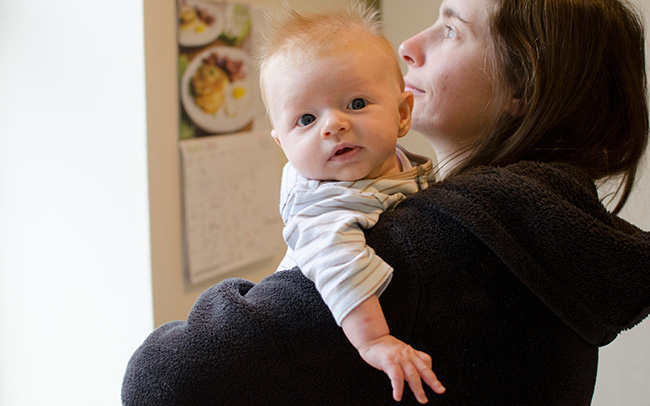 It is not uncommon to feel very tired after the birth of your baby. Plenty of rest and a balanced diet can help you on the road to recovery:
Also remember to eat foods that are rich in dietary iron (see related link below). If exhaustion persists for more than a few days speak to your midwife or GP.
It is not uncommon to feel very tired after the birth of your baby. Plenty of rest and a balanced diet can help you on the road to recovery:
Also remember to eat foods that are rich in dietary iron (see related link below). If exhaustion persists for more than a few days speak to your midwife or GP.
 Chest pain in pregnancy and/or after your baby’s birth should never be ignored. Some chest pain can be serious and can head to a heart attack, heart failure, cardiac arrest or even death. Most women do not suffer from these conditions during or after pregnancy but it is important to recognise the symptoms and, if you have any of them, to seek treatment quickly.
 SCAD is a rare but serious heart condition that causes a tear or bruise to develop in a coronary (heart) artery resulting in a blockage that prevents normal blood flow. It can cause heart attack, heart failure or cardiac arrest and can be fatal.
SCAD can happen during pregnancy and during the weeks and months after you have given birth. Symptoms can include:
SCAD is a rare but serious heart condition that causes a tear or bruise to develop in a coronary (heart) artery resulting in a blockage that prevents normal blood flow. It can cause heart attack, heart failure or cardiac arrest and can be fatal.
SCAD can happen during pregnancy and during the weeks and months after you have given birth. Symptoms can include:
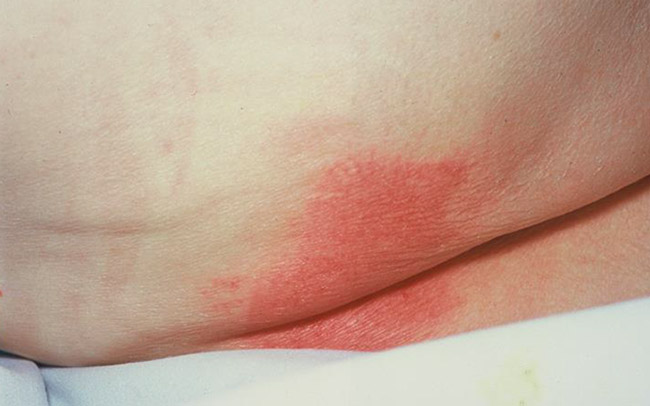
 Pressure ulcers, also known as bed sores or pressure sores, are areas of damage to the skin and deeper layers of tissue.
Pressure ulcers may cause pain or become infected leading to a longer hospital stay.
Pressure ulcers are caused by a combination of:
Pressure: body weight and some medical equipment can squash the skin and damage the blood supply to the area. Lying or sitting in one position for a long period of time can cause this.
Shearing: sliding down the bed or chair can damage the skin and deeper layers of tissue. The skin may split or break.
Pressure ulcers can develop anywhere in the body but are more commonly found over boney areas such as bottom, heels, elbows, hips, ankles, spine, back of the head and shoulder blades. Usually people can relieve the effects of pressure and shearing by turning in bed and getting out of bed. You may be at risk of developing pressure ulcers if you stay in the same position for too long. Ask your healthcare professional or partner to help you move around safely. Ensure your clothing or bedding is not too tight so that you can move freely.
Early signs of pressure ulcers will appear as: a change in skin colour (redder or darker), change in skin temperature (hotter or colder) discomfort or pain, blistering and skin damage. You can check your own skin for signs of pressure ulcers, if you notice anything different on your skin, please contact your healthcare professional.
Whilst in hospital, your healthcare professional team will perform a risk and skin assessment to see if you are at risk of developing a pressure ulcer. After the birth, you can ask your healthcare professional to look at your skin if you feel any discomfort.
Pressure ulcers, also known as bed sores or pressure sores, are areas of damage to the skin and deeper layers of tissue.
Pressure ulcers may cause pain or become infected leading to a longer hospital stay.
Pressure ulcers are caused by a combination of:
Pressure: body weight and some medical equipment can squash the skin and damage the blood supply to the area. Lying or sitting in one position for a long period of time can cause this.
Shearing: sliding down the bed or chair can damage the skin and deeper layers of tissue. The skin may split or break.
Pressure ulcers can develop anywhere in the body but are more commonly found over boney areas such as bottom, heels, elbows, hips, ankles, spine, back of the head and shoulder blades. Usually people can relieve the effects of pressure and shearing by turning in bed and getting out of bed. You may be at risk of developing pressure ulcers if you stay in the same position for too long. Ask your healthcare professional or partner to help you move around safely. Ensure your clothing or bedding is not too tight so that you can move freely.
Early signs of pressure ulcers will appear as: a change in skin colour (redder or darker), change in skin temperature (hotter or colder) discomfort or pain, blistering and skin damage. You can check your own skin for signs of pressure ulcers, if you notice anything different on your skin, please contact your healthcare professional.
Whilst in hospital, your healthcare professional team will perform a risk and skin assessment to see if you are at risk of developing a pressure ulcer. After the birth, you can ask your healthcare professional to look at your skin if you feel any discomfort.

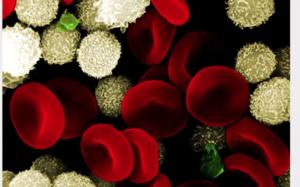 Infection in pregnancy and/or after your baby’s birth should never be ignored. Some infections can progress to a more serious situation known as sepsis, where the infection spreads to the blood stream and through the whole body. If left untreated sepsis can lead to shock, organ failure and death. Whilst most women do not suffer from infection or sepsis during or after pregnancy, it needs to be recognised and treated quickly if they do.


