
Common baby concerns
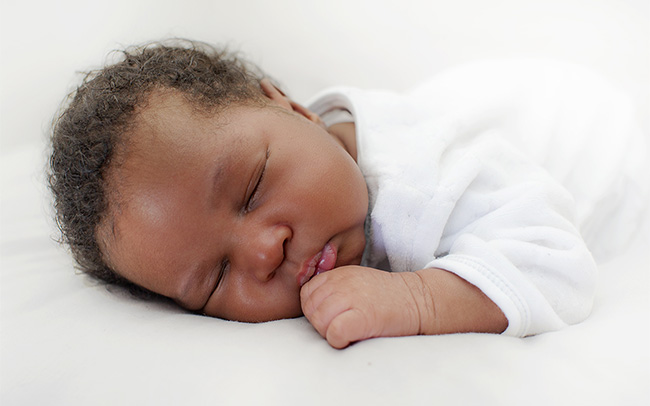

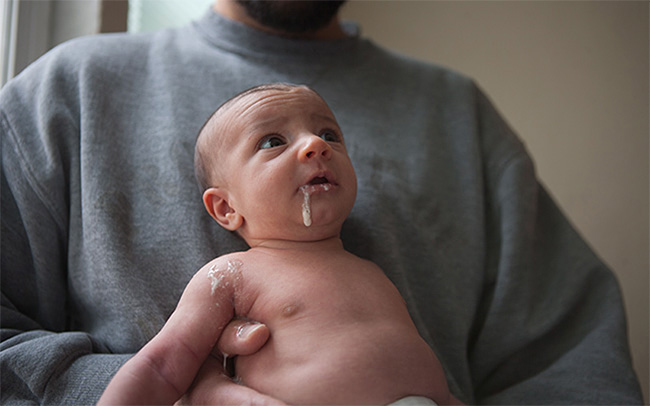 Reflux is the term for when some of the contents of the baby’s tummy comes up from the stomach and travels into the mouth. The stomach contents are acidic which can cause irritation and discomfort. This can make your baby cry for long periods, arch their back and refuse feeds. For most babies this is common and usually gets better on its own.
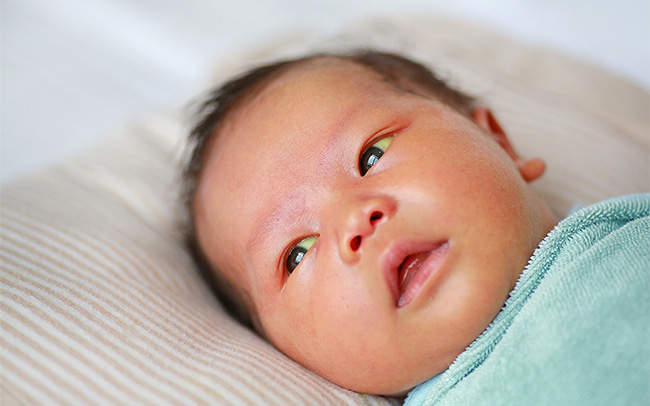 Newborn jaundice is a common condition which presents at two to three days after birth, and can be noticed as a yellow colouring of the skin in the face, the upper body and often the whites of the eyes.
If your baby becomes jaundiced in the first 24 hours, this is not normal, and your baby will need an urgent medical review.
Jaundice is caused by a substance known as bilirubin, which builds up in your baby’s blood as a product of the fast breakdown of red blood cells. After a baby is born it can take a little bit of time for their liver to mature enough to efficiently breakdown bilirubin, thus causing newborn jaundice. Newborn jaundice is common and will normally resolve spontaneously within 10-14 days. A small number of babies will develop jaundice that is significant and requires phototherapy treatment in hospital under special lights. Jaundice can make babies sleepy and reluctant to feed, leading to dehydration which can make the jaundice worse.
It is important to offer regular feeds, at least every three hours, if you think your baby has jaundice. Check that your baby is feeding well.
If you are worried about your baby’s jaundice, or if you notice that your baby’s stools are pale/white, speak with your community midwife or call NHS 111 for advice.
Newborn jaundice is a common condition which presents at two to three days after birth, and can be noticed as a yellow colouring of the skin in the face, the upper body and often the whites of the eyes.
If your baby becomes jaundiced in the first 24 hours, this is not normal, and your baby will need an urgent medical review.
Jaundice is caused by a substance known as bilirubin, which builds up in your baby’s blood as a product of the fast breakdown of red blood cells. After a baby is born it can take a little bit of time for their liver to mature enough to efficiently breakdown bilirubin, thus causing newborn jaundice. Newborn jaundice is common and will normally resolve spontaneously within 10-14 days. A small number of babies will develop jaundice that is significant and requires phototherapy treatment in hospital under special lights. Jaundice can make babies sleepy and reluctant to feed, leading to dehydration which can make the jaundice worse.
It is important to offer regular feeds, at least every three hours, if you think your baby has jaundice. Check that your baby is feeding well.
If you are worried about your baby’s jaundice, or if you notice that your baby’s stools are pale/white, speak with your community midwife or call NHS 111 for advice.
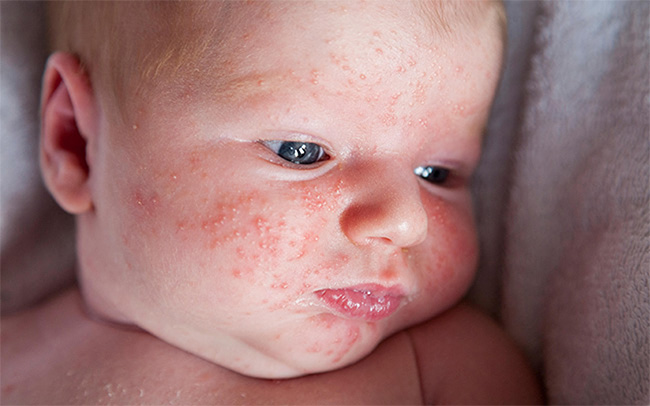 It is common for healthy newborn babies to get a skin rash in the first week or two of life. This rash is known as erythema toxicum neonatorum. It does not cause any long-term problems and requires no treatment.
Scroll down in the related link below to Rash without fever or itching to view images of common, harmless spots in newborn babies.
It is common for healthy newborn babies to get a skin rash in the first week or two of life. This rash is known as erythema toxicum neonatorum. It does not cause any long-term problems and requires no treatment.
Scroll down in the related link below to Rash without fever or itching to view images of common, harmless spots in newborn babies.
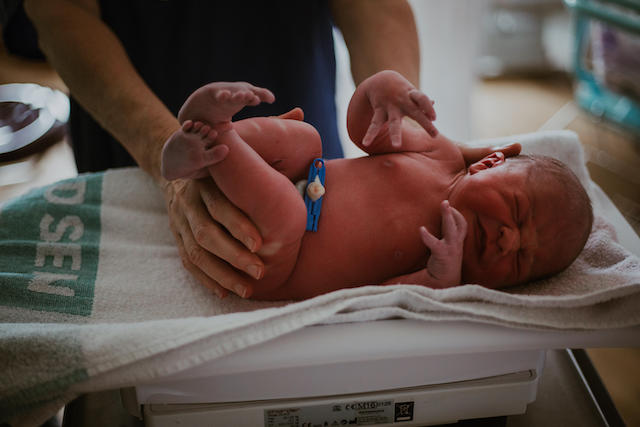
 It is common for a newborn baby’s breasts to be a little swollen and they may ooze some milk, whether a boy or a girl.
The genitals of newborn babies often appear rather swollen but will look in proportion with their bodies in a few weeks.
Girls sometimes have a cloudy discharge from their vagina and can have a small amount of bleeding known as a ‘pseudo period’ caused by the withdrawal of your hormones that she received via the womb. This is normal, however, if you are concerned speak to a midwife.
It is common for a newborn baby’s breasts to be a little swollen and they may ooze some milk, whether a boy or a girl.
The genitals of newborn babies often appear rather swollen but will look in proportion with their bodies in a few weeks.
Girls sometimes have a cloudy discharge from their vagina and can have a small amount of bleeding known as a ‘pseudo period’ caused by the withdrawal of your hormones that she received via the womb. This is normal, however, if you are concerned speak to a midwife. 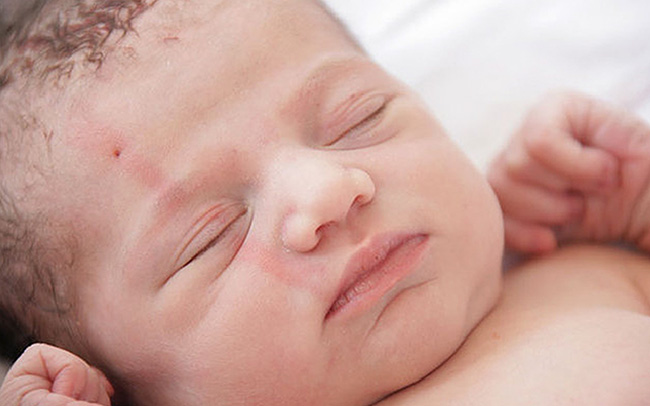 Newborn babies commonly have some swelling (caput) and/or bruises on their head. This can be the result of the squeezing and pushing during their birth and often this will soon disappear.
Bumps and bruises are more likely to occur with an assisted ventouse or forceps birth and may occur on one or both sides of the head. At times, these may last for weeks but will resolve naturally, without a need for any treatment.
Newborn babies commonly have some swelling (caput) and/or bruises on their head. This can be the result of the squeezing and pushing during their birth and often this will soon disappear.
Bumps and bruises are more likely to occur with an assisted ventouse or forceps birth and may occur on one or both sides of the head. At times, these may last for weeks but will resolve naturally, without a need for any treatment. 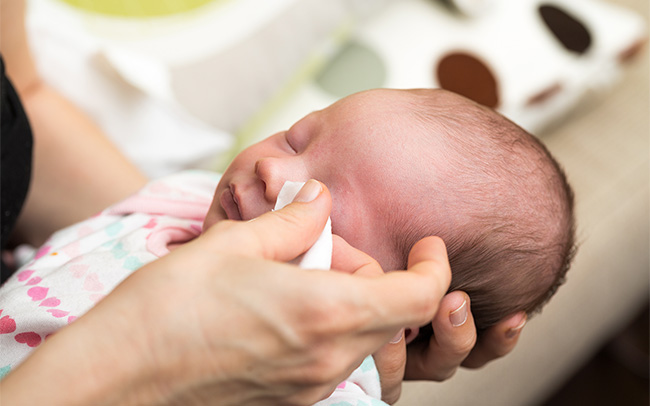 No special cleaning of your baby’s eyes is required unless your baby develops an infection. However, look out for any signs of eye stickiness, redness or discharge. These can occur for no apparent reason but may appear as a yellow discharge in one or both eyes. Should this happen, please inform your midwife or health visitor, who may take a swab from the eye(s) and/or arrange for your doctor to prescribe treatment.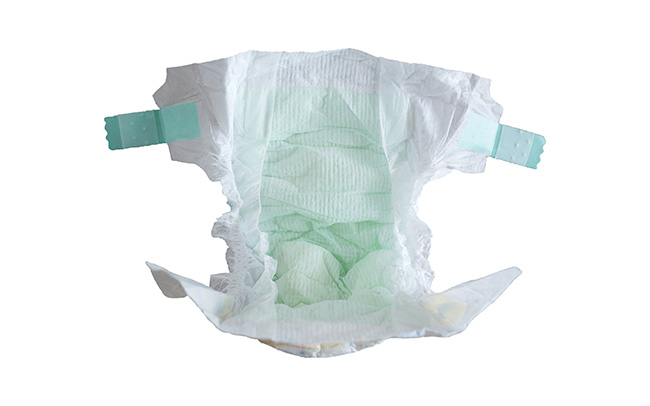
|
NEWBORN STOOL AND URINE |
||
| Day 1Meconium | Day 2-3Changing lighter green | Day 4-5Yellow |
 |
 |
 |
|
Baby’s age |
Wet nappies |
Dirty nappies |
| 1-2 days | 1-2 or more | 1 or more dark green/black |
| 3-4 days | 3 or more becoming heavier | 2 or more green/changing |
| 4-5 days | 5 or more and heavy | 2 or more yellow, becoming looser |
| 5-6 days | 6 or more and heavy | 2 or more yellow, watery, seedy appearance |
 There are some unique challenges to looking after your twins (or more babies). Twins Trust and MBF (Multiple Birth Foundation) both offer advice and support for parents.


