Monitoring your baby’s growth

Monitoring your baby’s growth

Doctor measuring pregnant womans stomach with tape measure During pregnancy your midwife or doctor will be checking to ensure that your baby is growing well. This is done at defined stages in the pregnancy, either by measuring your bump with a tape measure or by routine ultrasound scans. If there is a concern about the growth of your bump you may be referred for a growth scan. Your baby’s progress is plotted on a chart by the person taking the measurement (midwife, doctor or sonographer). If your baby is found to be growing smaller than expected you may require additional ultrasound scans and antenatal appointments to monitor your baby’s wellbeing.

Intrahepatic Cholestasis of Pregnancy (OC): Frequently asked questions

Intrahepatic Cholestasis of Pregnancy (OC): Frequently asked questions

How is the diagnosis made?

If you have itching without a rash in your pregnancy, then you will have blood tests including a liver function and bile acid level. Raised bile acids will confirm the diagnosis of Intrahepatic Cholestasis of Pregnancy (ICP) which is also known as Obstetric Cholestasis (OC).

What does this mean?

For me

You may have severe itching, often starting on the hands and feet but can affect anywhere on your body. Your doctor can give you medication to calm the itching sensation but it will not disappear until you have given birth.

For my baby

If the bile acids are very high (greater than 100) then there is an increased risk of the baby passing away whilst in the womb, so it is really important that the level of bile acids are monitored every week once the diagnosis is made or as long as you have itching.

What will the medical team recommend?

Your medical team will recommend weekly blood tests at least weekly whilst you have symptoms of itching, and once you have a diagnosis of ICP.

What tests will/may be considered? How often may they be needed?

Blood tests for your liver function and the concentration of bile acids in your blood will be checked regularly.

What symptoms and signs should I be looking out for?

Itching in pregnancy without a rash, particularly if it occurs on the palms of your hands or the soles of your feet.

What are the ‘red flag’ symptoms/concerns, which means that they should be reported immediately?

If your baby isn’t moving like normal, then you should be seen at the hospital immediately.

Likely recomendations

Treatment options

If your bile acids are more than 40 mmol/L, then your doctor may recommend treatment with ursodeoxycholic acid or, in severe cases, other medication such as rifampicin. Your itching can be treated with antihistamine tablets and menthol skin creams. Your medical team will provide a prescription if these medications are recommended to you.

Timing of birth

This will depend on the level of your bile acids but would normally be after 38 weeks if the bile acids are less than 100 mmol/L, and around 36 weeks if your Bile Acids are 100 mmol/L or higher.

How may this affect my birth choices?

Continuous monitoring of your baby’s heartbeat in labour will be recommended whether you labour starts naturally or you are are induced, this is because ICP can affect your baby’s heart function.

How may this affect care after the birth?

If you have had abnormal liver function, you will need to see your GP to retest your liver function levels to ensure they have returned to normal. Your baby will be reviewed by a baby doctor after birth to ensure all is well.

What will this mean for future pregnancies? How can I reduce my risk of this happening again?

There is around 50% chance of having ICP in a subsequent pregnancy so you will be asked to keep a close eye out for symptoms of itching and your doctor may arrange some extra blood tests as part of your monitoring in pregnancy.

What will this mean for future/my long-term health and how can I influence this?

ICP does not cause long term health problems but caution is recommended before taking the combined oral contraceptive pill. There is a strong genetic link so you may want to warn your sisters and daughters as they may also be at risk of having this condition in pregnancy.

Pre-eclampsia during pregnancy: Frequently asked questions

Pre-eclampsia during pregnancy: Frequently asked questions

How is the diagnosis made?

Pre-eclampsia is a condition that only occurs in pregnancy and usually after 20 weeks. It causes high blood pressure (or makes existing high blood pressure worse) and leaky kidneys with protein in the urine. The diagnosis is made based on symptoms you may experience, blood tests and urine tests.

What does this mean?

For me

The only cure for pre-eclampsia is giving birth to your baby (and placenta) but the timing of birth needs to be balanced with how unwell you and/or you baby are and what early birth would mean for your baby. You may experience headaches, blurred vision, vomiting, swelling of your hands and face or feel generally unwell. At worst, pre-eclampsia can cause kidney or liver failure, blood clotting problems and seizures.

For my baby

Pre-eclampsia affects the way the placenta works and can cause babies not to grow well in the womb and need to be born early. Babies born early may need to spend time on the Neonatal Unit to help them with breathing, feeding and temperature control. Sadly, some babies don’t survive in the womb because of pre-eclampsia.

What will the medical team recommend?

Your medical team will recommend regular checks and occasionally admission to hospital for very close monitoring. You will have regular blood tests to check your kidneys, liver and blood and your blood pressure will be monitored regularly. Extra scans of your baby will be recommended to check that they are growing well in the womb. If you develop pre-eclampsia before 37 weeks of pregnancy, then you may give birth earlier or be recommended to have labour induced at 37 weeks. If you develop pre-eclampsia after 37 weeks, induction of labour will be recommended straight away. This may be a difficult time for you and your family so it is important to have regular and open conversations with your medical team.

What tests will/may be considered? How often may they be needed?

The amount of protein in your urine will be tested alongside tests of your blood, kidney and liver function. The blood test called Placental Growth Factor that shows how well the placenta is working and helps doctors and midwives make the diagnosis of pre-eclampsia before 37 weeks.

What symptoms and signs should I be looking out for?

Headaches,swelling in your hands and face, blurred vision, pain in your tummy, vomiting, or your baby moving less than is normal.

What are the ‘red flag’ symptoms/concerns, which should be reported immediately?

If your baby isn’t moving as normal, then you should be seen at the hospital immediately. If you have any of the symptoms of pre-eclampsia listed above then you should contact your maternity unit immediately.

Likely recommendations

Treatment options

Tablet treatment for your blood pressure will be recommended if your blood pressure reading is more than or equal to 140/90 mmHg The tablets most commonly used are:
  • Labetalol
  • Nifedipine
  • Methyldopa

Timing of birth

This will depend on how well you and your baby are in the pregnancy. From 37 weeks, induction of labour will be recommended as the risks of remaining pregnant for you and your baby are higher than if you give birth after this time.

How may this affect my birth choices?

Continuous monitoring of your baby’s heart beat in labour will be recommended whether you labour spontaneously or are induced, this is because the placenta may be working less well and we would not want to miss changes in the heart rate that would indicate the baby is not coping well with labour. This is available in hospital on the labour ward.

How may this affect care after the birth?

  • You will need to have your blood pressure checked very regularly and stay in the hospital for at least 24 hours after you give birth
  • Any blood pressure treatment will be switched to those suitable for breastfeeding (enalapril or amlodipine)
  • You may need to have magnesium and restrict how much fluid you drink
  • You will need to see your GP for ongoing monitoring of your blood pressure and treatment after the birth

What will this mean for future pregnancies? How can I reduce my risk of this happening again?

High blood pressure can be reduced through diet and exercise if you are overweight or inactive. You will be advised to take aspirin in future pregnancies to reduce the risk of developing pre-eclampsia again as aspirin helps the placenta work well.

What will this mean for future/my long-term health and how can I influence this?

Pre-eclampsia increases your lifetime risk of high blood pressure four times compared to women who don’t have pre-eclampsia in their pregnancies. Your risk of high blood pressure and heart disease can be reduced by eating healthily, especially by reducing your salt intake and exercising regularly. Your risk of heart disease can also be reduced by taking your blood pressure treatment to control your blood pressure and your GP will tell you how low they would like your blood pressure to be on treatment.

Gestational diabetes: Frequently asked questions

Gestational diabetes: Frequently asked questions

How is the diagnosis made?

You would have been screened for GDM if you have any of the following risk factors:
  • obesity
  • previous 4.5 kg baby
  • family history with diabetes
  • your ethnicity
  • previous gestational diabetes: or
  • you have persistent sugar in your urine. A blood test measuring your blood sugar (glucose) level after a sugary drink will confirm the diagnosis.

What does this mean?

For me: GDM increases your chance of developing pre-eclampsia during your pregnancy and having type 2 diabetes mellitus later in life. For my baby: There is a greater risk of having a miscarriage. The blood sugar level can increase the size of your baby. This could make it harder for you to deliver your baby and can increase the risk of your baby having shoulder dystocia. Your baby would be at a greater risk of developing obesity and or diabetes mellitus in their later life.

What will the medical team recommend?

You will be seen more frequently in a joint diabetes and pregnancy clinic. You will be asked to make changes to your diet and increase your physical activity. These lifestyle changes will help reduce your blood sugar level.

What tests will/may be considered? How often may they be needed?

You will be shown how to check your blood sugar levels and told what your target blood levels should be. You will be asked you to measure your blood sugar levels four times a day, once before breakfast (fasting) and one hour after each meal. You will need to do this daily until you deliver your baby.

What symptoms and signs should I be looking out for?

GDM does not usually have any symptoms. If your blood sugar level is high you may feel you want to urinate more, be thirstier or have vaginal thrush (itching and white vaginal thrush.

What are the ‘red flag’ symptoms/concerns, which means that they should be reported immediately?

If you feel unwell or your baby is moving less than normal.

How are recommendations made regarding treatment options?

Firstly you will be advised on diet changes and if this does not help you could be offered metformin or insulin. All these medications are safe for your baby.

How are recommendations made regarding timing of birth?

This may change depending upon the size of a baby and your blood sugar control.

How may this impact my birth choices?

We may advise you to deliver your baby before your due date.

How may this affect care after the birth?

You can stop checking your blood glucose levels after you have had your baby.

What will this mean for future pregnancies? How can I reduce my risk of this happening again?

GDM can increases your risk of developing gestational diabetes in a future pregnancy. It’s important to eat healthily and take regular physical activity during pregnancy, and to keep it up after pregnancy. This will reduce the risk in future pregnancies.

What will this mean for future/my long-term health and how can I influence this?

GDM can increases your risk of developing Type 2 diabetes in the future. It’s important to eat healthily and take regular physical activity during pregnancy, and to keep it up after pregnancy. This will reduce your future risk of developing Type 2 diabetes. You will need to see your GP every year to check you haven’t developed type 2 diabetes mellitus.

Where can I find out more information about this condition?

Diabetes UK website Symptoms of gestational diabetes

Fibroids

Fibroids

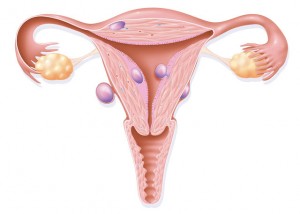
Drawing of uterus showing fibroids which have grown inside and outside of it Fibroids are benign (non-cancerous) growths that are found in or on the womb (uterus). Owing to their location they can have an impact on fertility and getting pregnant. Uterine fibroids are relatively common. 30% of women between the ages of 25 and 44 have symptoms of fibroids. This means that uterine fibroids are common during a woman’s childbearing years. You may not even be aware that you have a fibroid until this shows up on an ultrasound scan. Most women will experience no effects from fibroids during their pregnancy. Some women with fibroids will develop complications during pregnancy. Pain is the most commonly report complication, particularly if the fibroids are bigger than 5 cms. Fibroids may increase the risk of other complications during pregnancy and birth. These include:
  • Fetal growth restriction (slow growth) – large fibroids may prevent a baby from growing well as there is less space in the womb.
  • Placental abruption – this occurs when the placenta comes away from the wall of the uterus because it is blocked by the fibroid.
  • Preterm birth – pain from fibroids may lead to uterine contractions, which can result in the baby being born early.
  • Miscarriage – the presence of fibroids increases the risk of spontaneous miscarriage in early pregnancy.
  • Caesarean birth – the presence of fibroids increases the need for caesarean birth due to the location of the fibroids in the womb. If the fibroids are located in the lower part of the uterus, they may block the opening of the birth canal resulting in the need for caesarean birth.
  • Postpartum haemorrhage – poor contracting can lead to bleeding after the birth. If the uterus is unable to contract because of the presence of fibroids, the blood vessels that supplied the placenta may continue to bleed. Postpartum haemorrhage (bleeding) is a medical emergency and usually occurs 24-48 hours after birth. You should get help urgently.
If you know that you have a fibroid and experience pain, bleeding or contractions during pregnancy, you should seek medical advice from your maternity unit as soon as possible.

Deep vein thrombosis in pregnancy: Treatment

Deep vein thrombosis in pregnancy: Treatment

If you have been prescribed a treatment dose of blood thinning injections because you have been told that you have or may have a blood clot, here is some important information for you. Also read:

Advice for you and staff caring for you

If you think labour has started or your waters have broken or you experience vaginal bleeding

Do not take further blood thinning injections and contact your maternity unit to arrange a review. Aim for vaginal birth on labour ward with spontaneous onset of labour.

If the birth is planned as an elective caesarean section

Stop taking blood thinning injections 24 hours prior to planned operation date.

If you require an induction of labour

Stop taking blood thinning injections 24 hours prior to admission for induction of labour. On admission, tell the midwife the time you took your last injection.

In labour

All efforts will be made to reduce the time interval that you are without blood thinning injections, to help keep your blood clot risk low. On admission, inform the midwife the time you took your last injection. You will have medical and anaesthetic involvement during labour and induction of labour. Active management of the third stage of labour is recommended. For more information read: If postpartum haemorrhage (PPH) occurs, this will be managed by senior members of the maternity team

If you are considering an epidural in labour

The safe time interval between blood thinning injections and having an epidural is at least 24 hours. This is to minimise the risk of bleeding. Inform staff the time of your last injection.

After the birth

The dose will be restarted as soon as possible after the birth and will depend on your risk of bleeding.

Duration of treatment after the birth

Treatment must continue for at least 6 weeks after the birth as the risk of blood clot is highest after the birth. The total duration will depend on when the treatment was started in pregnancy and must be at least 3 months. The maternity team will discuss the medication options before you go home. Switching to an oral anti-coagulation medication can be considered but this should be 5 days or more after birth. However direct oral anticoagulation medication is only an option if bottle feeding. Warfarin and LMWH are safe with breastfeeding.

Follow up after hospital discharge

A clinic appointment with a specialist doctor will be arranged to provide you with guidance for the future, including the next pregnancy.

Decide family planning method

Progesterone Only Pill (POP)/Implant/Intrauterine device/other. See here for more information: Also see: Contraceptive choices after you’ve had a baby

Urgent concerns

Contact your maternity unit.

Deep vein thrombosis in pregnancy: Prevention

Deep vein thrombosis in pregnancy: Prevention

If you have been told that you have a high chance of developing a blood clot during pregnancy and have been prescribed a PREVENTION dose of blood thinning injections, here is some important information for you. Also read:

Advice for you and staff looking after you

If you think labour has started or your waters have broken or you experience vaginal bleeding

Do not take further blood thinning injections and make contact with your maternity team to arrange a review). Aim for vaginal birth on the labour ward with spontaneous onset of labour.

If the birth is planned as an elective caesarean section

Stop taking blood thinning injections 12 hours prior to planned operation date (so the last dose should be at around 18.00 on the night before admission).

If you require induction of labour

Stop taking blood thinning injections 12 hours prior to admission for induction of labour (so the last dose would be around 18.00 on the night before admission). On admission, tell the midwife the time you took your last injection.

In labour

All efforts will be made to reduce the time that you are without blood thinning injections, to help keep your blood clot risk low. For the delivery of the placenta. active management is recommended. See here for more information: If postpartum haemorrhage (PPH) occurs, this will be managed promptly by senior members of the maternity team.

If you are considering an epidural in labour

The safe time interval between blood thinning injections and having an epidural is at least 12 hours. This this is to minimise the risk of bleeding.

After the birth

The injections will be restarted as soon as possible after the birth and will depend on your risk of bleeding.

Duration of medication after the birth

Blood thinning injections must continue for at least 6 weeks after the birth as the chance of developing a blood clot is highest after the birth. Warfarin and LMWH are safe with breastfeeding. Switching to an oral medication may be considered after 5 days after the birth. However, direct oral anticoagulant therapy is only an option if you are bottle feeding your baby.

Decide family planning method

Progesterone Only Pill (POP)/Implant/Intrauterine device/other. See here for more information: Also see: Contraceptive choices after you’ve had a baby

Urgent concerns

Contact your maternity unit.

Deep vein thrombosis (DVT) in pregnancy: Frequently asked questions

Deep vein thrombosis (DVT) in pregnancy: Frequently asked questions

How is the diagnosis made?

At your initial appointment with the midwife, periodically through the pregnancy and after your baby is born you will be risk assessed for your personal chance of developing a venous thromboembolism (DVT). All women will be recommended to keep hydrated and mobile during pregnancy, labour and birth. Those in groups with a medium to high chance of developing a DVT may have additional care recommended to them. Interventions during labour and birth, such as assisted vaginal birth or caesarean birth increase your chances of developing DVT.

What does this mean?

For Me

Women who have a higher chance of developing DVT during pregnancy may be recommended to take a medication during pregnancy and the postnatal period to reduce this chance. The medication is a daily injection of a blood thinning medication (low molecular weight heparin) which you will be taught how to administer to yourself. Your partner or family member can be taught how to give the injection to you if you prefer. In addition you may be given compression stockings, to wear when you are admitted to hospital.

For my baby

The low molecular weight heparin injections do not cross the placenta and your baby will not be affected by their use.

What symptoms and signs should I be looking out for?

If you develop any swelling or pain in your legs or chest pain or difficulty in breathing you should attend the maternity unit for review as soon as possible.

How may this impact my birth choices?

If you are taking a preventative dose of low molecular weight heparin during pregnancy, there needs to be a 12 hour window between your last injection and the siting of an epidural (pain relief). So if your labour is starting or your waters have broken and a dose of the medication is due, please speak to your midwife or obstetrician first.

How may this affect care after the birth?

Women who are at a higher chance of developing a DVT might be recommended to have low molecular weight injections for ten days or six weeks after their baby is born.

What will this mean for future pregnancies? How can I reduce my risk of this happening again?

Depending on the reasons you have an increased chance of DVT, these reasons are likely to occur in any future pregnancy.

Where can I find out more information about this condition?

Reducing the risk of venous thrombosis in pregnancy and after birth

Placenta praevia: Frequently asked questions

Placenta praevia: Frequently asked questions

How is the diagnosis made?

The location of your placenta is identified at your mid-pregnancy anomaly ultrasound scan. If the placenta is covering the neck of the womb it is termed a placenta praevia; if it is not covering the neck of the womb but is within 20mm of the neck of the womb it is called a low lying placenta. The location of the placenta will be checked again closer to the end of the pregnancy, usually at around 36 weeks. 9 out of 10 women will not have a low lying placenta or placenta praevia at their follow up scan.

What does this mean?

For me

Having a low lying placenta or placenta praevia increases the chance of experiencing bleeding during pregnancy. A planned caesarean birth will be recommended to all women with a low lying placenta or placenta praevia towards the end of pregnancy.

For my baby

If there is extremely heavy vaginal bleeding during pregnancy from a low lying placenta or placenta praevia, this may affect your baby’s wellbeing. A baby may need to be born prematurely if a woman experiences extremely heavy vaginal bleeding during pregnancy. If you experience any vaginal bleeding, contractions or pain you should attend hospital without delay.

What are the ‘red flag’ symptoms/concerns, which means that they should be reported immediately?

If you experience any vaginal bleeding, contractions or pain you should attend hospital without delay.

How may this impact my birth choices?

A planned caesarean birth will be recommended to all women with a low lying placenta or placenta praevia towards the end of pregnancy. Heavy bleeding is possible during the caesarean birth, and this may require a blood transfusion and medications to limit the blood loss. Rarely, if there is no other way to control the bleeding, it may be necessary to remove your womb (hysterectomy) at the time of a caesarean birth for a low lying placenta or placenta praevia.

What will this mean for future pregnancies? How can I reduce my risk of this happening again?

A low lying placenta or placenta praevia is associated with previous caesarean birth, assisted reproductive technologies and smoking.

Deep vein thrombosis in pregnancy

Deep vein thrombosis in pregnancy

Woman's hand holding her leg below the knee Being pregnant increases your risk of developing deep vein thrombosis (DVT), with the highest risk being after you have had your baby. However, a DVT can occur at any time during your pregnancy, including the first three months of pregnancy.

Signs/symptoms

  • Pain/tenderness in the leg behind the knee or in the calf.
  • Feeling of heat in the affected area or a red discolouration of the skin.
  • Swelling of the affected area.
  • A pulmonary embolism may cause shortness of breath and chest pain, which comes on suddenly and worsens with deep breaths, coughing or chest movement.
If you have any of these symptoms you should speak to a health professional immediately, or attend your local A&E department.

Treatment

These conditions are serious and will require urgent treatment in hospital with medications that prevent the clot from getting bigger and breaking off and travelling to another part of the body.

Prevention

  • Keep mobile and rotate your ankles regularly.
  • Wear compression stockings if your midwife or doctor have advised you to do so.
  • Consider taking short walks when you feel up to it.
  • Stay well hydrated.
  • Avoid sitting/lying down for prolonged periods, ie, in a car/on a train.
Staff use a venous thromboembolism risk scoring system at your Booking appointment to determine your risk during pregnancy. Read the related links to find out what conditions can increase the risk of a DVT during pregnancy.