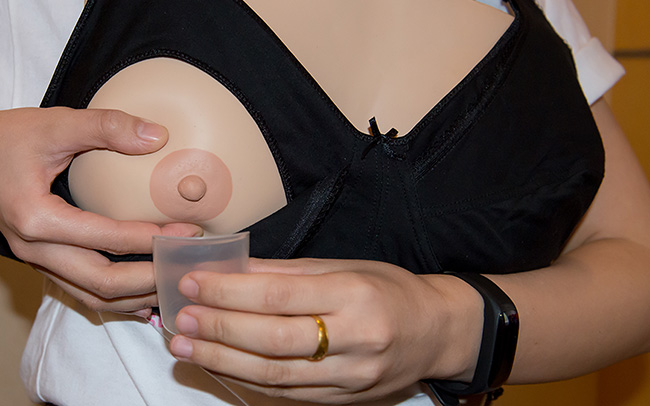
Thinking about feeding your baby
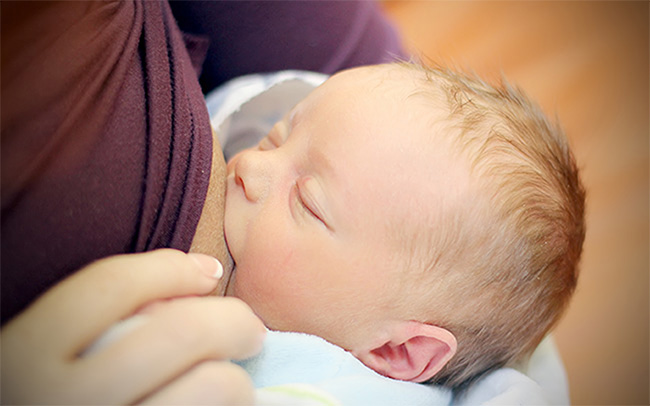 During pregnancy you will have a chance to discuss caring for and feeding your baby, including information about the value of breastfeeding for you and your baby’s health, and how to get breastfeeding off to a good start. It’s never too early to start thinking about how you’re going to feed your baby, but you don’t have to make up your mind until your baby is born. Talking to your midwife about your thoughts and feelings about feeding your baby can be really helpful. You will be supported whatever way you decide to feed your baby.
To help feeding go well, ask your midwife about antenatal breastfeeding classes at your maternity unit or in your local area. This can help you and your partner/supporter to feel more confident and prepared, and help you to avoid some common feeding problems early on. If you have particular questions or concerns about feeding, ask your midwife for an appointment with an infant feeding specialist during pregnancy.
All women are offered the opportunity to hold their baby in skin-to-skin contact straight after birth, for as long as they want. Discuss the benefits of skin-to-skin contact for both you and your baby with your midwife, and how you feel about it.
A midwife will offer to help you to start breastfeeding, or show you how to bottle feed responsively as soon as your baby shows signs that they are ready to feed, usually within the first hour after birth. Your baby won’t be separated from you unless he or she requires special care. After your baby is born you will be offered support from your maternity team to ensure breastfeeding gets off to a positive start. There will also be support available when you are at home.
During pregnancy you will have a chance to discuss caring for and feeding your baby, including information about the value of breastfeeding for you and your baby’s health, and how to get breastfeeding off to a good start. It’s never too early to start thinking about how you’re going to feed your baby, but you don’t have to make up your mind until your baby is born. Talking to your midwife about your thoughts and feelings about feeding your baby can be really helpful. You will be supported whatever way you decide to feed your baby.
To help feeding go well, ask your midwife about antenatal breastfeeding classes at your maternity unit or in your local area. This can help you and your partner/supporter to feel more confident and prepared, and help you to avoid some common feeding problems early on. If you have particular questions or concerns about feeding, ask your midwife for an appointment with an infant feeding specialist during pregnancy.
All women are offered the opportunity to hold their baby in skin-to-skin contact straight after birth, for as long as they want. Discuss the benefits of skin-to-skin contact for both you and your baby with your midwife, and how you feel about it.
A midwife will offer to help you to start breastfeeding, or show you how to bottle feed responsively as soon as your baby shows signs that they are ready to feed, usually within the first hour after birth. Your baby won’t be separated from you unless he or she requires special care. After your baby is born you will be offered support from your maternity team to ensure breastfeeding gets off to a positive start. There will also be support available when you are at home.
Human milk
Colostrum: Liquid gold
Explore this topic and the related links to find out more about infant feeding.