
Bottle feeding
 These tips will help you keep your baby safe whether you are feeding expressed breast milk or formula milk via a bottle.
These tips will help you keep your baby safe whether you are feeding expressed breast milk or formula milk via a bottle.
These tips will help you keep your baby safe whether you are feeding expressed breast milk or formula milk via a bottle.
 Hand expressing can be useful:
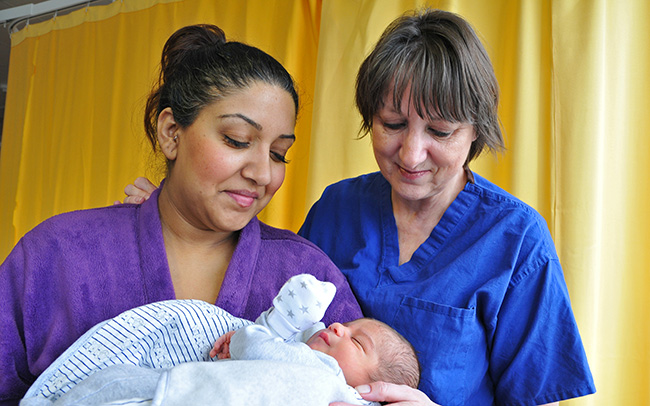 Use the following charts and related links to determine how well your baby is feeding.
 |
 |
|---|---|
| Sign of good feeding | Signs that you need to support |
|
|
|
|
|
|
|
|
|
|
|
|
|
|
|
|
 If you have any problems with feeding your baby (including painful nipples or breasts, your baby not feeding as well as before) ask for help as soon as possible.
Most breastfeeding problems relate to difficulties with positioning and attachment. A medical practitioner or infant feeding specialist may tell you that your baby has a tongue tie.
Tongue-tie is a condition present at birth that restricts the tongue’s range of motion.
With tongue-tie, an unusually short, thick or tight band of tissue tethers the bottom of the tongue’s tip to the floor of the mouth, so it may interfere with breastfeeding. Someone who has tongue-tie might have difficulty sticking out their tongue. Tongue-tie can also affect the way a child eats, speaks and swallows.
Sometimes tongue tie may not cause problems. Other cases may require a simple surgical procedure for correction. Read the information in the Related links below.
Your community midwife team works seven days a week, and you can request additional visits or telephone consultations if needed.
Breastfeeding is the healthiest way to feed your baby. If you decided not to breastfeed or have stopped breastfeeding, it is possible to restart. This can be difficult because your milk supply will naturally reduce once you are not breastfeeding, but it can increase again to meet your baby’s needs. Look for skilled support to help you.
If your midwives are no longer visiting you, ask for help from your Health Visitor, your Children’s and Family Centre or try a local baby feeding support group (your midwife or Health Visitor can give you details).
Alternatively, especially out of hours, you can call the following telephone helplines provided by trained volunteers (they can help with breastfeeding or bottlefeeding problems):
The National Breastfeeding helpline:
Tel: 0300 100 0212 (9.30am-9.30pm)
The NCT Breastfeeding line:
Tel: 0300 330 0771 (8.00am-midnight)
La Leche breastfeeding helpline:
Tel: 0345 120 2918 (8.00am-11pm)
If you have any problems with feeding your baby (including painful nipples or breasts, your baby not feeding as well as before) ask for help as soon as possible.
Most breastfeeding problems relate to difficulties with positioning and attachment. A medical practitioner or infant feeding specialist may tell you that your baby has a tongue tie.
Tongue-tie is a condition present at birth that restricts the tongue’s range of motion.
With tongue-tie, an unusually short, thick or tight band of tissue tethers the bottom of the tongue’s tip to the floor of the mouth, so it may interfere with breastfeeding. Someone who has tongue-tie might have difficulty sticking out their tongue. Tongue-tie can also affect the way a child eats, speaks and swallows.
Sometimes tongue tie may not cause problems. Other cases may require a simple surgical procedure for correction. Read the information in the Related links below.
Your community midwife team works seven days a week, and you can request additional visits or telephone consultations if needed.
Breastfeeding is the healthiest way to feed your baby. If you decided not to breastfeed or have stopped breastfeeding, it is possible to restart. This can be difficult because your milk supply will naturally reduce once you are not breastfeeding, but it can increase again to meet your baby’s needs. Look for skilled support to help you.
If your midwives are no longer visiting you, ask for help from your Health Visitor, your Children’s and Family Centre or try a local baby feeding support group (your midwife or Health Visitor can give you details).
Alternatively, especially out of hours, you can call the following telephone helplines provided by trained volunteers (they can help with breastfeeding or bottlefeeding problems):
The National Breastfeeding helpline:
Tel: 0300 100 0212 (9.30am-9.30pm)
The NCT Breastfeeding line:
Tel: 0300 330 0771 (8.00am-midnight)
La Leche breastfeeding helpline:
Tel: 0345 120 2918 (8.00am-11pm)
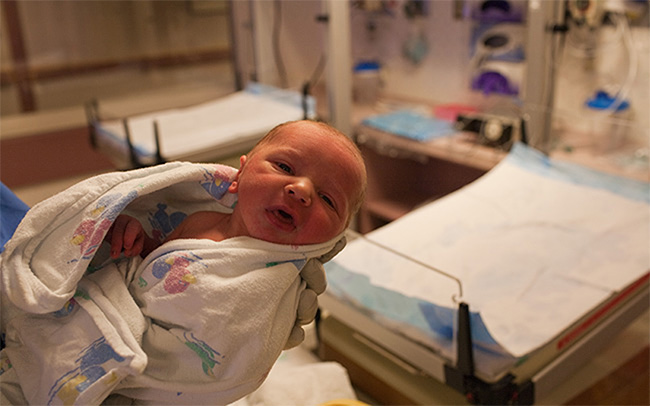 Offer a breastfeed to your baby whenever he/she shows early cues that they are ready to feed, such as:
 Breastfeeding has health benefits for you and your baby. For your baby, it provides nutrition, protects against ear infections, chest infections, allergies and diabetes to name just a few. Breastfeeding is about closeness and comfort as well as nutrition. Benefits for you include a reduced risk of breast or ovarian cancer and osteoporosis.

 You will be supported in the maternity unit and at home by midwives and maternity support workers however you choose to feed your baby.
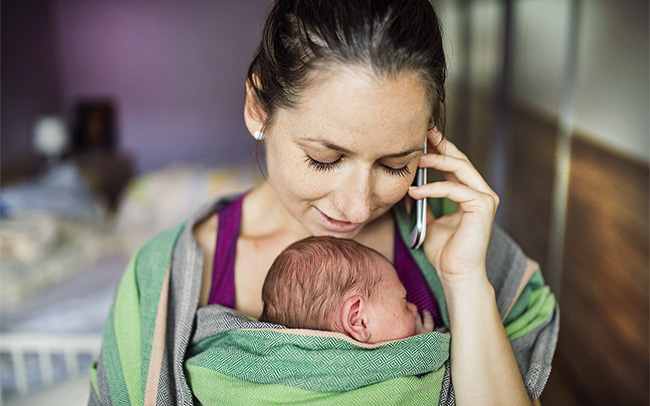 You will be provided with a telephone number for your community midwife team before you go home from the maternity unit. Please make sure you have this contact number before you leave.
For any urgent concerns with your physical and emotional health, you can call the maternity triage/assessment unit where you had your baby (up to 28 days after birth). You can also speak to your GP or attend your local urgent care centre or A & E department. The NHS 111 service is available 24 hours a day, 365 days a year.
If you are being discharged to a community midwifery service belonging to a different maternity unit than the one you gave birth in, you should be given the appropriate contact details. Below is a list of contact numbers for the community midwife teams across
You will be provided with a telephone number for your community midwife team before you go home from the maternity unit. Please make sure you have this contact number before you leave.
For any urgent concerns with your physical and emotional health, you can call the maternity triage/assessment unit where you had your baby (up to 28 days after birth). You can also speak to your GP or attend your local urgent care centre or A & E department. The NHS 111 service is available 24 hours a day, 365 days a year.
If you are being discharged to a community midwifery service belonging to a different maternity unit than the one you gave birth in, you should be given the appropriate contact details. Below is a list of contact numbers for the community midwife teams across  A Children’s and Family Centre is a place where parents and carers can go to enrich family life, connect with others and receive additional family support if needed. In some areas the Children’s Centre may be called a Family Centre.
Facilities and services in Children’s and Family Centres are designed around the needs of local families with children under the age of five.
A variety of sessions are available at your local Children’s and Family Centre or Family Centre including postnatal appointments and checks, baby weighing clinics and breastfeeding support. Once your baby is six weeks old, you can access activities such as baby massage in a Children’s and Family Centre. Visiting the Centre will give you the opportunity to meet other new parents and their babies. Please visit your local council’s Children’s and Family Centre timetables to see what sessions are available in your area.
Attending Children’s and Family Centres can help to reduce isolation that may be experienced by families with young children. Activities and services vary from centre to centre but can include – postnatal clinics, infant feeding drop-ins, stay and play sessions, baby massage, healthy eating sessions, parenting courses, English classes, advice around work, housing or finances, and more.
A Children’s and Family Centre is a place where parents and carers can go to enrich family life, connect with others and receive additional family support if needed. In some areas the Children’s Centre may be called a Family Centre.
Facilities and services in Children’s and Family Centres are designed around the needs of local families with children under the age of five.
A variety of sessions are available at your local Children’s and Family Centre or Family Centre including postnatal appointments and checks, baby weighing clinics and breastfeeding support. Once your baby is six weeks old, you can access activities such as baby massage in a Children’s and Family Centre. Visiting the Centre will give you the opportunity to meet other new parents and their babies. Please visit your local council’s Children’s and Family Centre timetables to see what sessions are available in your area.
Attending Children’s and Family Centres can help to reduce isolation that may be experienced by families with young children. Activities and services vary from centre to centre but can include – postnatal clinics, infant feeding drop-ins, stay and play sessions, baby massage, healthy eating sessions, parenting courses, English classes, advice around work, housing or finances, and more.


