Handling your newborn baby

Handling your newborn baby

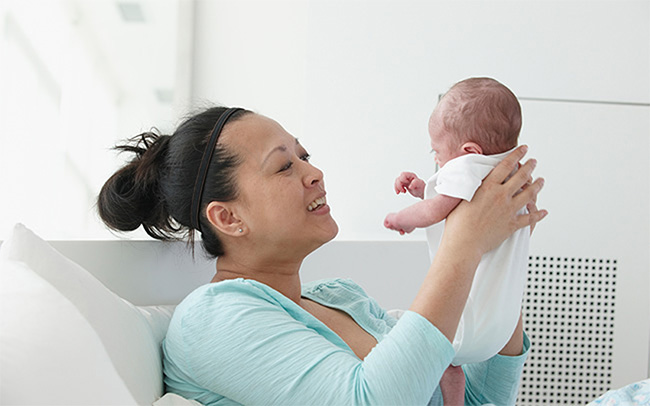
Close up of baby wrapped securely in a blanket being held in the mother's arms Babies like being held securely and gently. They need to have their heads and necks carefully supported as their neck muscles are not strong enough to hold their head up yet Babies find touch soothing; an upset baby can be comforted by a gentle cuddle or rhythmic rocking in a parent’s arms. It may often help to wrap your baby up securely in a blanket, although it’s very important not to allow your baby to become overheated. Very occasionally babies are accidentally dropped, particularly when a parent falls asleep holding a baby; or when holding the baby they slip, trip or fall. Here are some things you can do to stop your baby being injured:
  • Return your baby to its cot when settled
  • Change your baby’s nappy on a changing mat on the floor
  • Do not leave your baby unattended on a bed, sofa or changing table, even for a second, as they could roll off
  • Always keep bouncing cradles or baby car seats on the floor, rather than on a table or kitchen worktop, as your baby’s wriggling could tip it over the edge
  • Hold on to the handrail when carrying your baby up and down stairs, in case you trip. Make sure the stairs are free of toys and other trip hazards.
  • Watch where you’re putting your feet while carrying your baby. It’s easy to trip over something like a toy.

Bathing your baby and your baby’s skin

Bathing your baby and your baby’s skin

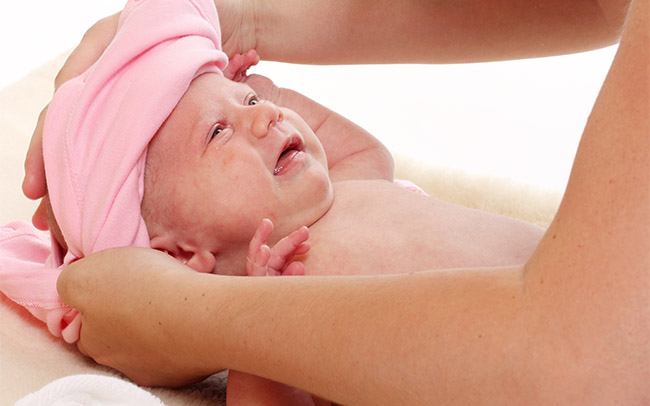
Mother supports baby with one arm while scooping water over the baby's head with the opposite hand A newborn’s skin is delicate and sensitive, and the use of any creams, lotions or cleansers should be avoided for at least the first month. Babies may have dry skin after birth, and this is nothing to worry about. When bathing, it is best to use plain water and only a very mild and non-perfumed soap if required.
How should I bath my baby?

Caring for the umbilical cord

Caring for the umbilical cord

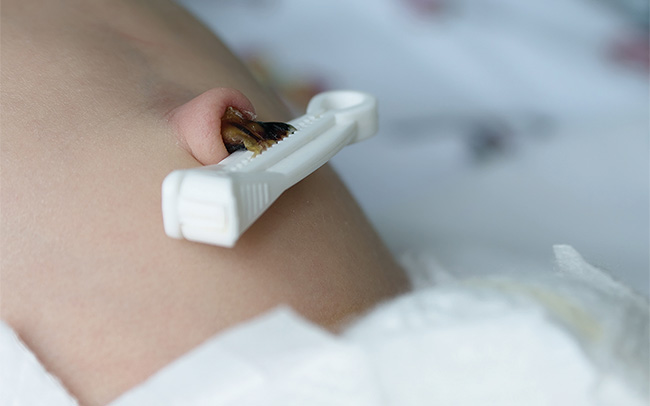
Close up of baby's tummy button with a plastic clip on the remaining stub of the umbilical cord After your baby is born, their umbilical cord will be secured with a plastic clip. The cord will then take between three to ten days to dry out and drop off. It is normal for the cord to be slightly sticky and smelly as it dries out. The area can be cleaned with plain water if necessary and dried carefully with a clean soft cloth or muslin. If you notice any bleeding from the cord or redness on your baby’s abdomen, tell your midwife, health visitor or GP.

Dressing your baby

Dressing your baby

Close up of mother's hands dressing baby The following tips will help you plan how to keep your baby’s temperature within the normal range:

Room temperature

Try to keep the room temperature between 16-20°C.

Deciding the right amount of clothing and bedding

Indoors:

Daytime – your baby should wear the same amount of clothes as you wear plus an extra layer. Night time – your baby should wear a vest and babygro in bed plus be covered with the same number of bedding layers as parents. If your baby seems restless and fussy and the skin appears flushed and feels hot, remove a piece of clothing or blanket. It is normal for babies to have cool hands and feet. They should feel warm on their chest (same as you) but if their hands or feet feel cold and look blue and blotchy, add mittens, socks/booties, a hat and a cardigan or blanket. Babies do not need to wear hats indoor. It can lead to them overheating.

Outdoors:

Babies should wear hats outdoors in summer and winter to protect against all weather conditions. Babies under six months’ old must be kept out of direct sunlight, especially around midday. During daytime, cover exposed parts of the baby’s skin with sun creams, using the baby specific sun creams. Don’t forget to reapply it regularly throughout the day. In a heated car or on public transport, babies who are overdressed can easily become too hot. Remember to remove a layer/s of clothing or any covering blanket.

When at home

Don’t forget to take off baby’s outdoor clothes and hat when you get inside. Don’t keep the cot, buggy or car seat next to a radiator, heater or fire, in direct sunshine or near an open window.

Soothing a crying baby

Soothing a crying baby

Mother holds crying baby in her arms and kisses to the top of its head All babies cry, and some cry a lot. Crying is your baby’s way of telling you they need comfort and care. Sometimes it’s easy to work out what they want, and sometimes it isn’t, so be kind to yourself. Do remember that when you become anxious, crying babies tend to sense this and may become more distressed. So, in the initial weeks work your way systematically through the different reasons why a baby may cry.

Tips to comfort a crying baby

Try some of these ways to comfort your crying baby:
  • place your baby skin-to-skin
  • check if your baby is hungry. If so, feed your baby
  • check your baby’s nappy. If dirty, change the nappy
  • hold your baby close to you. Move about gently, sway and dance, talk to your baby or sing
  • try stroking your baby’s back firmly and rhythmically, holding her/him against you 
  • find something for your baby to listen to or look at – like music on the radio, a CD, a rattle or a mobile above the cot
  • rock your baby gently backwards and forwards in the pram
  • try a warm bath. When testing for bath temperature, a warm bath will feel comfortable against your elbow skin. Warm baths calm some babies instantly, but make others cry even more.
Babies should never be shaken in an effort to get them to stop crying. Shaking a baby can cause very serious brain injury and is considered to be a form of child abuse. Babies are vulnerable to head trauma because they have poor neck strength and have large heads compared to the size of their bodies. When the head moves around vigorously, the baby’s brain moves back and forth inside the skull which can tear tiny blood vessels and nerves causing bleeding and nerve damage. Shaking a baby can leave a baby blind, deaf and with long term learning difficulties. Read the related links for more help.