Anomaly scan (18-21 weeks)

Anomaly scan (18-21 weeks)

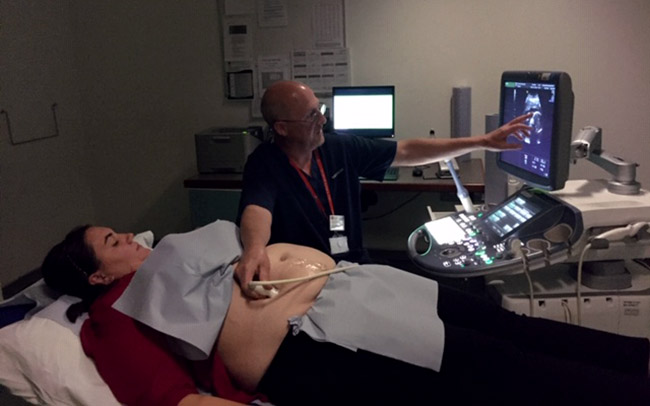
Sonographer scaning pregnant woman's bump Your sonographer will check:
  • enquire how you are feeling and if you have any concerns
  • your baby is growing well
  • for any major physical abnormalities in your baby
  • your baby’s bones, heart, brain, spinal cord, face, kidneys and abdomen
  • your placenta is in the right place and not covering the cervix, which can cause complications
  • be able to reassure you and, if required, signpost you to appropriate services.

16 weeks

16 weeks

Midwife talks to a pregnant woman across a desk Your care provider will:
  • enquire how you are feeling and if you have any concerns
  • check your blood pressure and urine
  • discuss local antenatal classes with you
  • review, record and discuss the results of any tests you may have had
  • discuss your baby’s movements and bonding with your baby
  • be able to reassure you and, if required, signpost you to appropriate services.

Dating scan (11-14 weeks)

Dating scan (11-14 weeks)

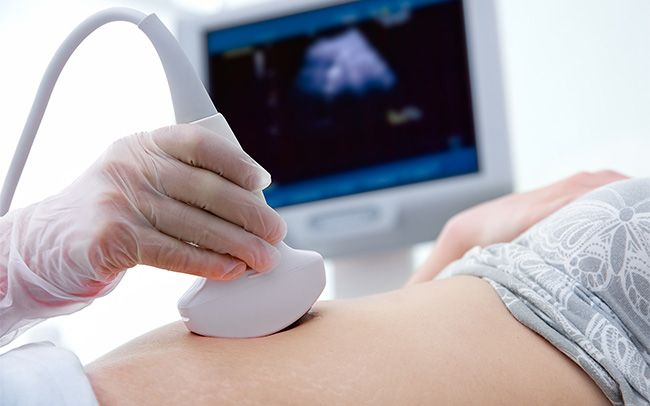
Close up of sonographer scan pregnant woman's abdomen Your sonographer will:
  • enquire how you are feeling and if you have any concerns
  • tell you exactly how many weeks pregnant you are, and work out your estimated date of delivery
  • check your baby is growing healthily and in the right place in the womb
  • take a specific measurement to screen for chromosomal syndromes (such as Down’s syndrome), if you have consented to be tested for this as part of combined screening
  • be able to reassure you and, if required, signpost you to appropriate services.

Booking appointment (8-12 weeks)

Booking appointment (8-12 weeks)

Midwife taking pregnant woman's blood pressure Your midwife will:
  • measure your height and weight
  • check your blood pressure and urine
  • offer you some blood tests and discuss screening tests in pregnancy
  • ask about smoking status in your household and check your carbon monoxide levels
  • ask you about your medical, mental health and personal social circumstances
  • ask about any previous pregnancies you have had
  • ask about the medical, personal and social circumstances of the father of the baby
  • discuss how you are feeling and see if you need any additional support
  • plan your pregnancy care with you
  • give you information about your care and health and answer any questions you may have
  • be able to reassure you and, if required, signpost you to appropriate services.

Signs and symptoms to speak to a health professional about

Signs and symptoms to speak to a health professional about

Close up of women's hands using a mobile phone

Signs/symptoms to speak to your GP about:

  • high fever – more than 37.5C
  • pain or burning on passing urine
  • flare-ups of any pre-existing conditions
  • repeated vomiting or diarrhoea with difficulty in keeping fluids down
  • any pain, heat, swelling in your calf
  • sudden onset of breathlessness, including when you are resting.

Contact your local early pregnancy unit or urgent care centre if you have:

  • heavy bright red vaginal bleeding
  • moderate/severe abdominal pain.

Your first 12 weeks

Your first 12 weeks

Polaroid photo of first scan and pregnancy test Your baby grows faster than at any other time in the first 12 weeks. The fertilised egg implants in the womb and divides rapidly into layers of cells. Morning sickness is common at this stage, and may occur at any time of day. You may also experience breast tenderness, tiredness, mood swings and changes in your reaction to certain smells and foods along with a metallic taste in your mouth. During this time you may experience some spotting or slight vaginal bleeding, which is nothing to worry about. Some women experience no obvious signs or symptoms of pregnancy – everyone is different. Symptoms can also come and go on a daily basis, and this is perfectly normal. You won’t feel your baby moving at this stage, nor will you have an obvious baby bump. The first movements are normally felt between 16 and 24 weeks. You will have your first appointment with your midwife by 10 weeks. You will also be offered some blood tests. Your midwife will explain all screening tests to you in full. Your first ultrasound scan should be offered to you between 11 and 13 weeks.

Your maternity team

Your maternity team

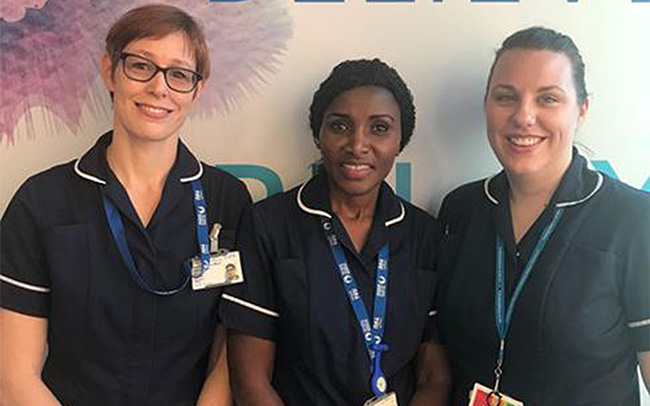
Three midwives

Midwife

You will meet several midwives throughout your pregnancy, birth and beyond. Midwives are the main caregiver when your pregnancy and birth are straight forward. We are working hard to ensure each woman has a named midwife who is responsible for coordinating your maternity care.

Obstetrician

These are doctors who specialise in caring for women during pregnancy, birth and in the period immediately after birth (whilst in the maternity unit). You may see an obstetrician during pregnancy if you have any issues which require review or more specialised management, and they will be involved if you have a caesarean or assisted birth.

Paediatrician/Neonatalogist (baby doctor)

Paediatricians or neonatologists are doctors specialising in the care of newborn babies and children. They will be involved in your care if early (premature) delivery is anticipated or if there are likely to be concerns about the health of your baby during or after the birth.

Sonographer

These are professionals who undertake your ultrasound scans. They are specially trained to undertake scans during pregnancy.

Maternity support worker

You may meet maternity support workers during pregnancy, birth or beyond. They support the maternity team and provide some of your care throughout the journey.

Student midwife

Many maternity units in England work closely with local universities to support midwives and doctors in training. These students will work alongside their midwife ‘mentor’ and will ask for your consent before providing you with any care.

Health visitor

Health visitors work in teams. They work closely with the other professionals listed above, including GPs and organisations that support families where you live. Most families in England will be offered several review contacts and additional support depending on the individual needs of your family. The health promoting visit at 28 weeks of pregnancy, is the first time that the health visitor meets parents. A health needs assessment will be agreed, covering physical, mental and emotional health and wellbeing. The health visitor will also discuss a number of issues, including transition to parenthood, how to enhance the parent-child bonding experience and how parents can help their baby’s early development.

Other staff members

You may meet other members of staff or medical students, depending on your pregnancy needs and where you choose to have your care.