There are two reasons why you might be given antibiotics during labour:
1) Known risk of an infection
Antibiotics in labour will be recommended if there is an increased risk of infection to the baby by bacterium called Group B Streptococcus (GBS). This could be indicated in labour if:
a) results in your current or previous pregnancy have detected GBS in vaginal or urine testing; or
b) labour starts prior to 37 weeks and is associated with rupture of membranes prior to the onset of labour.
The team will check your allergies and available results to determine which antibiotics to give you until your baby is born. When antibiotics are administered for this indication only, you will be able to walk around in labour.
2) Signs of a possible infection
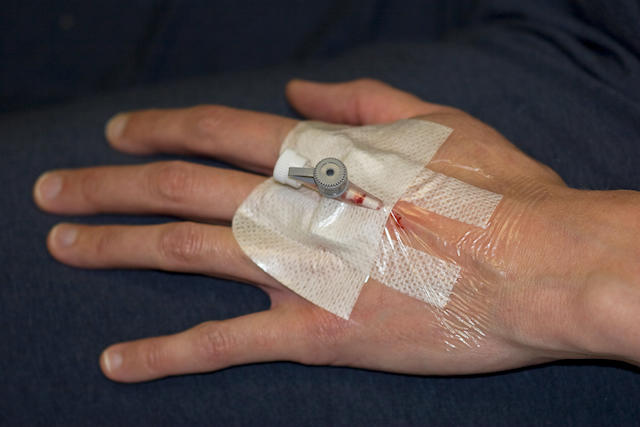
Infection in labour may be suspected based on symptoms like fever, or signs like a higher than expected heart rate in you or baby in the womb.Infection can occur in any part of your body. If we can’t identify where the infection is, we work on the assumption that it could be in the womb, and this may be difficult to confirm until at least a few days later.Untreated infection can sometimes spread to the blood and if not treated it may have serious consequences. Given the risk that an infection may pose, the medical team will undertake a detailed assessment of you and your baby. They will conduct a range of tests on you to help establish the type of infection. This will include blood tests, urine tests and vaginal swabs. The tests include full blood count, C-reactive protein (CRP), blood/urinary/vaginal culture and sensitivity. The team will recommend starting antibiotics through a cannula (a very fine, flexible plastic tube) directly into your vein.You will need to be monitored closely and this will involve continuous monitoring of you and the baby, which may limit you from walking around in labour. We will continue to support your birth preferences as best as possible and discuss all options and recommendations so that you can make informed choices about your care. We will help you adopt positions that are comfortable for you and that are known to support vaginal births.Some of the blood results will be available within a few hours and some tests (microbiological cultures and sensitivity) may take up to 3 days.Your team will continue to monitor you and your baby closely through your labour and will keep you informed of their findings and recommendations. You are encouraged to ask any questions or share concerns you may have.
What will happen after the birth?
1) Known risk of an infection
If you received antibiotics in labour only because of the known risk of GBS infection, this will be stopped at the time of the birth. For 12-24 hours after the birth, your team will monitor you and the baby for anything concerning, including signs of infection. The monitoring aims to identify early warning symptoms and signs. For the baby, this will include overall assessment and regular measurement of heart rate, respiratory rate, colour, temperature and feeding. The baby will stay with their mothers on the postnatal ward.
2) Signs of a possible infection
Your antibiotics will be continued through the cannula until your temperature has been normal for at least 24 hours after the birth, you feel well and the infection results indicate an improvement.Based on your recovery and test results, you may need to continue the antibiotic course as tablets. The total duration of antibiotics can vary but they will be safe to take if you are breastfeeding.If you have a urinary infection, you will need to repeat a urine test (culture and sensitivity) a week after you complete your antibiotics course to make sure the infection has been treated fully.

 There are two reasons why you might be given antibiotics during labour:


