hold your baby close in a semi-upright position, in skin-to-skin contact if possible and maintain eye contact by turning baby inwards towards your body
rub the teat gently over the upper lip, this will encourage them to open their mouth and draw in the teat
hold the bottle horizontally with a slight upright tilt to prevent both air entering the teat and the milk flowing too fast
allow your baby to set the pace of the feeding, enabling your baby to pause frequently
towards the end of the feed remove the teat and wind (burp) your baby
if your baby shows continued feeding cues, offer the remaining milk
don’t try and force your baby to take more than they want
limit the number of people who feed your baby to yourself and one or two others – this helps with building a relationship and bonding with your baby
always use a first infant formula in the first year of your baby’s life
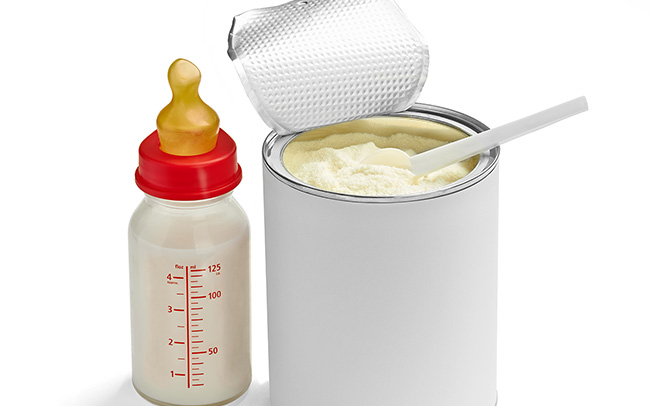
make up feeds one at a time as your baby needs them
never warm up formula in the microwave
the water needs to be above 70°C in order to kill any bacteria in the milk powder, as it is not sterile
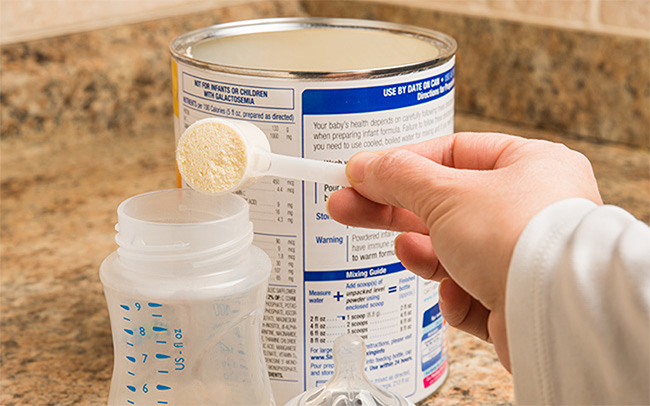
always put the water in the bottle first, then add the powder
only use the scoop enclosed in the packaging, as they can differ in size between brands
follow manufacturer’s specific instructions on how many scoops of powder to volume of water ration, to make sure the milk is not too diluted or concentrated
ensure to measure a level scoop of formula as instructed on the packet
before giving to your baby, check the formula is cool by dripping a few drops on the back of your hand
throw away any unused formula when your baby has finished feeding.
These tips will help you keep your baby safe whether you are feeding expressed breast milk or formula milk via a bottle.
Preparing bottles
Bottles and teats need to be thoroughly cleaned and sterilised in order to kill any harmful bacteria. Formula milk powder is not sterile. Follow the instructions on your chosen steriliser regarding this. Formula milk should be made up in line with the packet instructions, always read the label carefully.