If a baby becomes cold after the birth, the baby can be at risk of developing hypothermia.Hypothermia is a condition where the body temperature drops to a dangerously low level. In a newborn, this occurs when the baby’s temperature drops below 36.5°C.A baby with hypothermia may have problems breathing regularly and maintaining their blood sugar and may result in admission to the Neonatal Intensive Care Unit (NICU) for treatment.Leaving the warmth of the womb at birth, the wet newborn baby comes into a much colder environment and immediately starts to lose heat. Most of this heat loss occurs within the first few minutes after birth and if not kept warm in the first 10-20 minutes, the baby may lose enough heat for their body temperature to fall to a very low level.Some babies are more at risk of getting cold, these include:
Preterm babies born at less than 37 weeks’ gestation
Babies with low birth weight
Babies of mothers who are diabetic
Babies who need to be resuscitated at birth
Babies where the mother has an infection in labour
However, all babies are susceptible to hypothermia in the first few hours after the birth, so it is important to take simple measures after the birth to keep your baby warm.
What will my maternity team do to ensure that my baby is keep warm?
Ensure the temperature of the birth room is at least 24°C
Check the air conditioning and fans in the birth room are turned off or facing away from the baby
Keep windows closed
Turn on heaters if appropriate
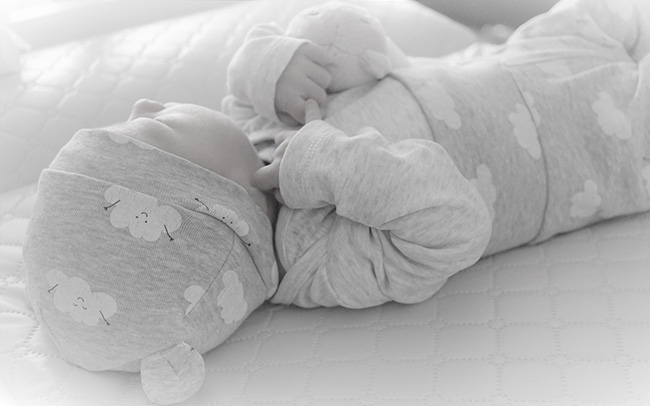
After the birth, your baby will be dried immediately and a hat will be put on your baby’s head.
If there are additional risk factors, then a hat will be placed on your baby’s head to alert all team members that your baby is more at risk of getting cold.Once your baby is dried, the wet towel used to dry your baby will be removed and replaced with a blanket.During skin to skin contact, your baby will be covered with blankets.You will be encouraged to feed your baby or express your breast milk and give your baby within an hour of birth.Bathing your baby should wait until the baby has adjusted to the environment and maintains its temperature.The baby’s temperature will be checked shortly after the birth to ensure that this is within the normal range.
How can you help your baby?
As parents, you can help the maternity team in ensuring that your baby is kept warm. There are many things you can do to help:
Tell a midwife or support worker if the birth room is not warm enough. This is very important just before and in the hours after the birth.
This may mean reminding a midwife or support worker to close windows and turn off the air conditioning/fans, or turn up the heaters.
Ensure that during skin-to-skin contact your baby is covered with blankets.
Ensure tht your baby keeps the hat on for the first 12 hours; as much as 25% of heat loss will be from the baby’s head if it is not covered.
If a hat has been put on your baby’s head then please keep this in place for 12 hours. You can usually then remove the hat and replace it with one of your own baby hats.
When dressing your baby for the time, warm the clothes and blankets beforehand. You can do this by placing the baby clothes against your skin or under your clothes.
When in the cot, ensure that your baby is adequately covered. Babies usually need one or two more layers of clothing or bedding than adults.
Tell a midwife or support worker if you think your baby’s breathing is not normal.
If you notice that your baby is breathing very fast for a continuous period (more than 60 breaths per minute), or seems to be struggling to breathe, with nostrils flaring or making noises wih each breath, then please tell a member of your maternity team.
Babies use up energy to keep themselves warm, there you will be encouraged to feed your baby regularly and will be supported in doing so. Some babies may need more frequent feeds. However, a well baby will need to have feeds at least every three hours for the first few days of life.
How long should I take these measures for?
If kept warm, once the baby is around six hours old, then will then usually be able to maintain their temperature at a normal level. The observation of your baby’s temperature will continue for at least 12 hours. Some babies that are unwell or vulnerable at the time of birth (for example, a baby with a low birth weight) may need support to keep warm for a longer period of time.If you have any questions, please ask one of the midwives or support workers.