Incontinence

Incontinence

Close up woman in jeans with crossed legs and her hands on her groin area Incontinence can affect women during and immediately after pregnancy, due to the effect of hormones on the pelvic floor, and the pressure from the growing baby. Women may leak a small amount of urine when coughing, laughing, sneezing or moving suddenly. Should this happen, the first thing to do is to start your pelvic floor exercises daily. It is also helpful to contract your pelvic floor just before you cough, sneeze, lift, laugh or do an activity that causes a leak. Should the symptoms persist during pregnancy or more than six weeks after the pregnancy, ask your GP to refer you for specialist support. It is recommended that all women strengthen their pelvic floor during pregnancy to prevent and/or treat incontinence.

Urinary tract infections (UTIs)

Urinary tract infections (UTIs)

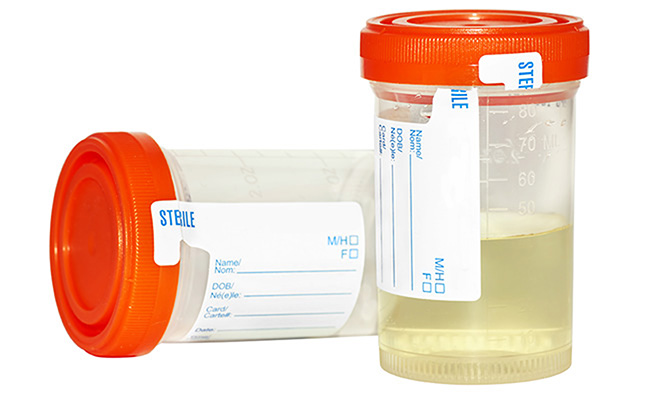
Close up of test tubes containing urine samples These are more common in pregnancy. You should look out for the signs and symptoms, and contact your GP or midwife urgently if you think you could have an infection. Symptoms include pain on passing urine, passing small amounts of urine more often than usual, or urine that is cloudy and strange smelling. Signs that you might have bacterial vaginosis (BV) are:
  • thin white or grey vaginal discharge
  • strong, fishy odour, especially after having sex
  • pain, itching or burning in or around the vagina
  • burning sensation when you urinate
Drinking plenty of water in pregnancy can help reduce the occurrence of UTIs.

Cytomegalovirus (CMV)

Cytomegalovirus (CMV)

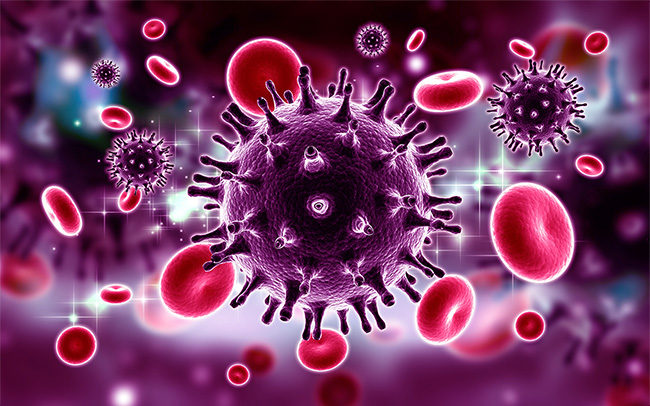
Virus particles under a microscope Cytomegalovirus (CMV) is a common virus that is harmless to most healthy adults and children, but can be dangerous if a pregnant woman passes it to her unborn baby (congenital CMV). It is spread via bodily fluids and research has shown that the most common way a pregnant women catches CMV is from a toddler or young child, therefore women working or in regular contact with young children have a higher chance of developing the virus. Simple hygiene methods are believed to reduce the risk of catching CMV and recommendations include not sharing dummies or food utensils with young children as well as regular handwashing. If you are concerned that you may have come into contact with CMV whilst pregnant, please speak to your midwife or doctor. Follow the links for more information.

Group B Streptococcus (GBS)

Group B Streptococcus (GBS)

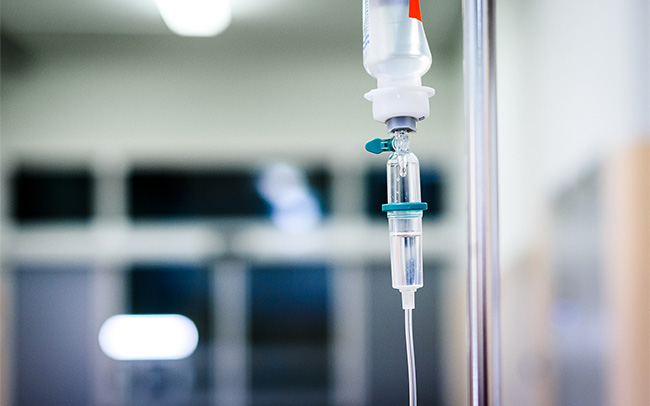
Close up of medical drip apperatus GBS is a common bacterium carried in the vagina and rectum of 2-4 in every 10 women. Carrying GBS is not harmful to you, and causes no symptoms. GBS occasionally causes serious infection in newborn babies, and very rarely, during pregnancy and before labour. GBS can be detected by urine or vaginal/rectal swab tests. The NHS does not routinely offer all pregnant women GBS testing. However, if it is detected during your current or previous pregnancy or if you have had a baby who developed GBS infection in the past, you will be offered intravenous antibiotics in labour to reduce the risk of infection in your newborn baby.

Toxoplasmosis

Toxoplasmosis

Cat walking out of its litter tray Toxoplasmosis is an infection caught by direct contact with cat faeces (poo), contaminated soil or contaminated meat. Most people don’t realise they have it but it can cause flu like symptoms and it can harm your unborn baby. Pregnant women are advised to wear gloves when gardening or handling cat litter and to thoroughly wash fruit and vegetables to remove all traces of soil. We don’t test for toxoplasmosis routinely as it is very rare.

Sexually Transmitted Infections (STIs)

Sexually Transmitted Infections (STIs)

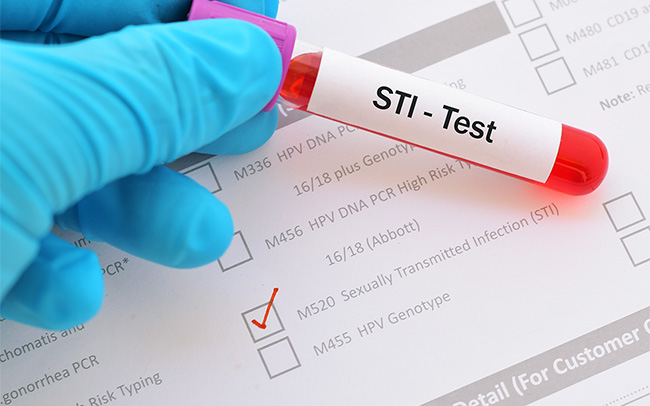
Close up of test tube labelled STI test STIs such as chlamydia, herpes and gonorrhoea are becoming increasingly common and when left untreated in pregnancy can be dangerous to your baby. If you are concerned that you or your partner may have been exposed to STIs please attend your local sexual health service clinic for full sexual health screening.

Parvovirus B19 (slapped cheek syndrome)

Parvovirus B19 (slapped cheek syndrome)

Virus particles under a microscope Parvovirus is very infectious and usually affects children. The main symptom is a red blotchy rash on the face. It can also be accompanied by mild fever, headache and sore throat. If you contract parvovirus in pregnancy it can be harmful to your baby. Please speak to your GP or midwife if you think you may have been in contact with parvovirus.

Chickenpox

Chickenpox

Close up of patient's arm being treated for chickenpox Chickenpox is caused by the varicella zoster virus. Chickenpox is highly infectious and can be dangerous to your baby. If you had chickenpox as a child, it is likely that you are immune; you do not need to worry. If you are unsure whether you have had chickenpox before, you may be offered a blood test to confirm your immunity. If you think you may have come into contact with someone with chickenpox and you know that you are not immune, please phone your GP or midwife for advice. Do not attend the maternity unit for advice unless advised to by your midwife/doctor.

Pre-existing conditions and pregnancy

Pre-existing conditions and pregnancy

Healthcare professional in discussion with pregnant woman It is important to tell your GP, obstetrician and/or midwife about any pre-existing physical or mental health conditions. This also includes any previous surgery (including cosmetic procedures) or any childhood conditions or health problems from which you have now recovered. This information helps the team assess if anything further is needed to keep you and your baby healthy during the pregnancy. If you are under specialist care for your medical condition, it is important that you speak to them and discuss any impact your condition may have on your pregnancy. Ask them for a summary and for this to be written in your antenatal notes. Notes don’t automatically move between maternity units and/or departments, so don’t assume that your midwife or doctor knows what your previous carers have said or recommended. If you would like more information, please use the links below to check the safety of your medication in pregnancy. Conditions we need to know about early (before 12 weeks) include:

Chronic hypertension and other medical conditions that may increase the risk of you developing blood pressure concerns in pregnancy

Women with chronic hypertension and certain medical conditions are at a high risk of developing pre-eclampsia and will be prescribed low dose aspirin from 12 weeks. This includes any one of the following high risk factors:
  • Chronic hypertension (high blood pressure).
  • Pre-eclampsia during a previous pregnancy.
  • Chronic kidney disease, diabetes, or an inflammatory disease, eg, Systemic Lupus Erythematosus (SLE).
Or more than one of the following moderate risk factors:
  • First pregnancy.
  • Maternal age over 40.
  • Last pregnancy was more that 10 years ago.
  • Body Mass Index (BMI) of 35 or more.
  • Family history of pre-eclampsia.
  • Expecting more than one baby in this pregnancy.

Thyroid disease

Hypothyroidism (under active thyroid)

As soon as you are pregnant, it is usually recommended that your Levothyroxine dose is increased by 25-50 mcg daily. You should then also contact your GP to arrange blood tests.

Hyperthyroidism (overactive thyroid)

You must discuss your plans for pregnancy with your endocrinologist to assess your disease status and the safety of the medications you are taking.

Epilepsy

Pregnancy may affect your seizures or the effect of your medication. If you become pregnant without having had a chance to discuss your medication(s), it is recommended that you see your GP or specialist as soon as possible. Prior to this review, keep taking your anti-epileptic medicines as normal. Certain medications may need to be stopped and changed to an alternative before you become pregnant, or as soon as possible if you’re already pregnant, due to the risks they pose to your baby. Some other medications need to be increased. Your doctor will prescribe a higher dose of folic acid supplementation (5mg per day).

Mental health and wellbeing concerns

It is understandable to worry about the effects of some medicines used to treat mental health conditions and concerns, but it is important not to stop taking your medications without speaking to your GP or specialist. This may lead to withdrawal symptoms, especially if stopped abruptly, could cause a recurrence of your symptoms or make your condition worse.

Diabetes

Women with Type 1 and 2 Diabetes should aim to have tight control of their diabetes prior to and throughout the pregnancy to reduce the risk of miscarriage, congenital malformation, stillbirth and neonatal death. Pregnancy typically places higher demand for insulin than normal and so close monitoring and control of diabetes is important.

Crohn’s Disease, Ulcerative Colitis and other forms of Inflammatory Bowel Disease (IBD)

It is important to keep Crohn’s or colitis under control during pregnancy and you should not stop taking any of your medications unless your IBD team has advised you to do so. The risk from most medication is lower than the risk of a flare up.

Pregnancy with a heart condition

Women with known heart conditions need a referral to the specialist maternity services as soon as possible in early pregnancy and ideally would have had some pre-pregnancy counselling before trying for a pregnancy. This is because some heart conditions can increase the risk of complications in pregnancy and some medications may need to be stopped or adjusted. Please do not stop, or change, any medications without medical advice. If you would like more information, please use the link below to check the safety of your medication in pregnancy.

Systemic Lupus Erythematosus (SLE)

SLE is the most common type of Lupus, a chronic auto-immune disease. Symptoms and the extent of disease determine how care is managed before and throughout pregnancy.