Transitional care is when you and your baby stay together in hospital with support from the hospital staff. It means that your baby is well enough to stay with you either on the postnatal ward or a room near the neonatal unit. You will be in hospital with your baby. Common reasons for a baby requiring transitional care include:
babies born early between 33 and 35 weeks
babies with jaundice requiring treatment
babies needing antibiotic treatment
babies requiring extra support with their feeding.
Your baby will be reviewed regularly by one of the neonatal doctors or nurses whilst they are in transitional care and the treatment plan will be discussed with you.Some babies may need more care than can be provided on the postnatal ward or in transitional care and they are admitted to the neonatal unit. The main reasons for a baby to be admitted are that they are born prematurely, have a low birth weight or have a specific medical condition which needs treatment in hospital. When your baby is admitted one of the neonatal team will be able to update you on your baby’s condition and progress. You will be able to visit your baby at any time on the neonatal unit.Neonatal care is organised across the country in regional networks of neonatal units. The units provide different levels of care to babies depending on how early or unwell they are.If there is a suspicion that your baby will need a higher level of care than the hospital you are in can provide, you may be moved to a different hospital before your baby is born. This is called “In-utero transfer” (your baby is still in your uterus). If the move happens after your baby is born because they have arrived earlier than expected or are unwell, this is called “ex-utero transfer”. The neonatal team will always ensure that you and your baby are not separated for any longer than is necessary.There are three types of neonatal unit, which provide different levels of care depending on what your baby needs. These are:Special Care Baby Unit (SCBU): the care provided here is usually for babies born after 32 weeks gestation, or babies who only require a low level of support, such as some oxygen or a drip for a short time.Local neonatal unit (LNU): the level of care provided here is for babies who need more support than those in a SCBU, as they are born betwen 28 and 32 weeks gestation or are unwell and may require a short period of intensi ve care or high dependency care, including help with breathing.Neonatal Intensive Care Unit (NICU): this is for babies born earlier than 28 weeks gestation or those who are very unwell for other reasons. The NICU can look after babies of all gestations and is sometime called a “tertiary” unit. Some of these units specialise in surgery for baby or other types of highly specialised care. If your baby needs to be in a NICU, they will usually need to be on a breathing machine (ventilator).If your baby needs to be transferred to another hospital after birth, the Neonatal Transport Service will come and look after your baby and transfer them to the new hospital. If you are well enough to be discharged you will be able to meet your baby at the new hospital. If you are not well enough suitable arrangements will be made for your ongoing care.When your baby is well enough they will be moved back to the hospital that is closer to your home. This allows you and your baby to get to know the team who will be looking after them once they are discharged home.

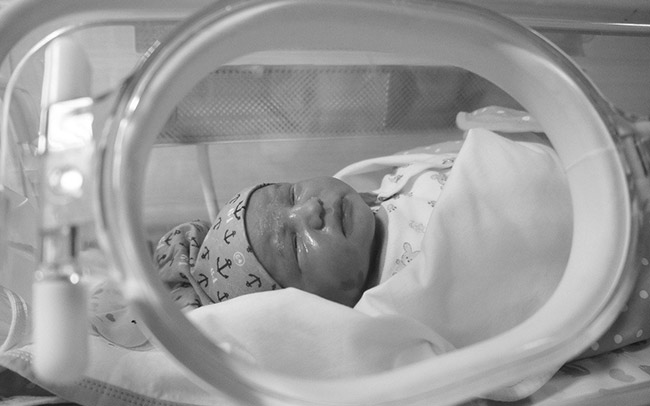 Transitional care is when you and your baby stay together in hospital with support from the hospital staff. It means that your baby is well enough to stay with you either on the postnatal ward or a room near the neonatal unit. You will be in hospital with your baby. Common reasons for a baby requiring transitional care include:


