When your baby is born, his or her head stretches the opening of the vagina. The skin inside and surrounding the vagina will often stretch well to allow your baby to be born, however during this process it is common for women to sustain a tear to the inside of the vagina and/or the skin inside the vagina or both – which may require stitches. The stitches used will always be dissolvable and should not need to be removed.First degree tears These affect the skin of the perineum/vagina. Some of these tears require stitches and some may heal well without stitches. Your midwife will advise you on this after birth.Second degree tears These affect the skin and muscle of the perineum/vagina. Most of these tears require stitches to assist with healing.Third and fourth degree tears These affect the skin and muscle of the perineum/vagina, as well as some of the structures associated with the anal sphincter. These tears require a repair by an obstetric doctor, under surgical conditions to repair them.Labial tears These occur to the labia minora and will often require stitches to aid healing. Your midwife will advise you on this after birth.Episiotomies These are sustained during the birth, when your doctor or midwife makes a cut to facilitate the birth of your baby. These are similar to second degree tears and will require stitches.
After your placenta has been delivered, your midwife or doctor will ask to check and see if you have any tears to the perineum and/or vagina that might require stitches. If you do need stitches, your midwife or doctor will explain this to you.Before stitching your midwife or doctor will ensure the area is numbed with local anaesthetic, or if you have an epidural already, this will be topped up. Most tears will be repaired in your birthing room, more significant tears require repair in an operating theatre. Tears are repaired using dissolvable stitches and normally heal within a month of birth.All women will lose some blood after giving birth, this happens because the area of the womb where the placenta was attached takes time to heal. Bleeding may be heavy immediately after the birth, but will reduce significantly over the next few days and weeks. Bleeding will normally last between two and six weeks. Your midwife will check on your bleeding regularly straight after birth.If there is significant bleeding this is called a postpartum haemorrhage (PPH). Your midwife and doctor will take prompt action to stop ongoing blood loss.

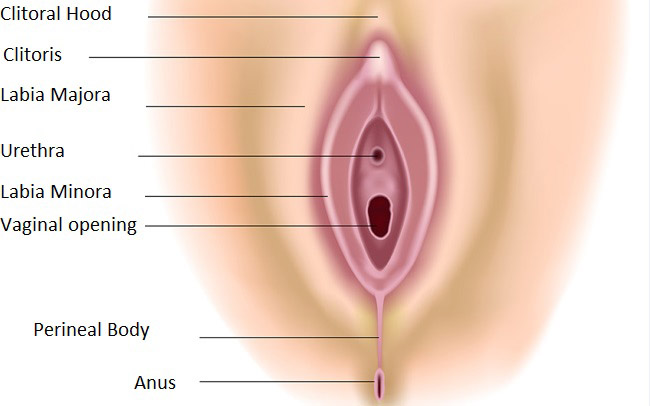 When your baby is born, his or her head stretches the opening of the vagina. The skin inside and surrounding the vagina will often stretch well to allow your baby to be born, however during this process it is common for women to sustain a tear to the inside of the vagina and/or the skin inside the vagina or both – which may require stitches. The stitches used will always be dissolvable and should not need to be removed.
First degree tears These affect the skin of the perineum/vagina. Some of these tears require stitches and some may heal well without stitches. Your midwife will advise you on this after birth.
Second degree tears These affect the skin and muscle of the perineum/vagina. Most of these tears require stitches to assist with healing.
Third and fourth degree tears These affect the skin and muscle of the perineum/vagina, as well as some of the structures associated with the anal sphincter. These tears require a repair by an obstetric doctor, under surgical conditions to repair them.
Labial tears These occur to the labia minora and will often require stitches to aid healing. Your midwife will advise you on this after birth.
Episiotomies These are sustained during the birth, when your doctor or midwife makes a cut to facilitate the birth of your baby. These are similar to second degree tears and will require stitches.
When your baby is born, his or her head stretches the opening of the vagina. The skin inside and surrounding the vagina will often stretch well to allow your baby to be born, however during this process it is common for women to sustain a tear to the inside of the vagina and/or the skin inside the vagina or both – which may require stitches. The stitches used will always be dissolvable and should not need to be removed.
First degree tears These affect the skin of the perineum/vagina. Some of these tears require stitches and some may heal well without stitches. Your midwife will advise you on this after birth.
Second degree tears These affect the skin and muscle of the perineum/vagina. Most of these tears require stitches to assist with healing.
Third and fourth degree tears These affect the skin and muscle of the perineum/vagina, as well as some of the structures associated with the anal sphincter. These tears require a repair by an obstetric doctor, under surgical conditions to repair them.
Labial tears These occur to the labia minora and will often require stitches to aid healing. Your midwife will advise you on this after birth.
Episiotomies These are sustained during the birth, when your doctor or midwife makes a cut to facilitate the birth of your baby. These are similar to second degree tears and will require stitches.