Once referred to a hospital, you can expect to see a midwife between 8 to 10 weeks of pregnancy.If your pregnancy is straightforward, these are the appointments you should expect to have. Certain medical or pregnancy needs may result in you needing more appointments than this.Appointments will normally be with a midwife, GP or obstetrician. The appointments at 25, 31 and 40 weeks are extra appointments for women having their first baby. At every appointment your midwife will ask you about how you are feeling, and give you the opportunity to ask any questions or raise any concerns you might have.At certain points in the pregnancy your baby’s growth will be measured. How a baby grows is different for each person, and your midwife will do a growth check at each antenatal visit.One way growth is measured is by measuring the size of your womb or baby bump. This is known as fundal height. The measurements are recorded on a growth chart and can be used to check that your baby is growing well.You might also be offered a growth scan. If you are offered a growth scan, your midwife will explain why. Read more in the section: Small baby (fetal growth restriction).You can bring your partner, friend or family member to your antenatal appointments. However, the midwife may request to see you alone for at least one appointment during your pregnancy.
enquire how you are feeling and if you have any concerns
check your blood pressure and urine
check your carbon monoxide level and your household smoking status
measure the size of your abdomen to check your baby is growing well
check your baby’s position and discuss the relevance of this
review, record and discuss the results of any tests you may have had
provide you with information about feeding your baby, Vitamin K for your baby and preparing for parenthood, and discuss your feelings around these topics
be able to reassure you and, if required, signpost you to appropriate services.

 Once referred to a hospital, you can expect to see a midwife between 8 to 10 weeks of pregnancy.
If your pregnancy is straightforward, these are the appointments you should expect to have. Certain medical or pregnancy needs may result in you needing more appointments than this.
Appointments will normally be with a midwife, GP or obstetrician. The appointments at 25, 31 and 40 weeks are extra appointments for women having their first baby.
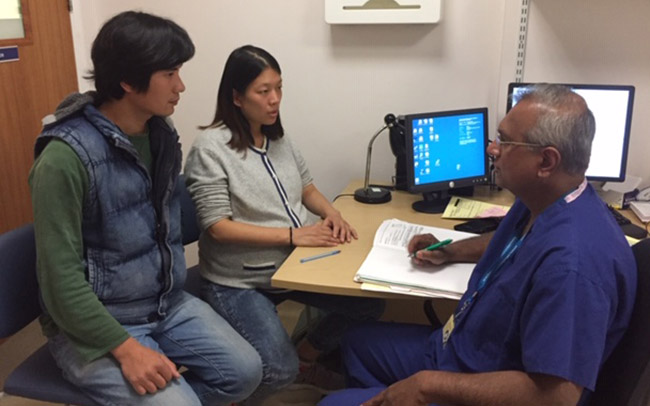
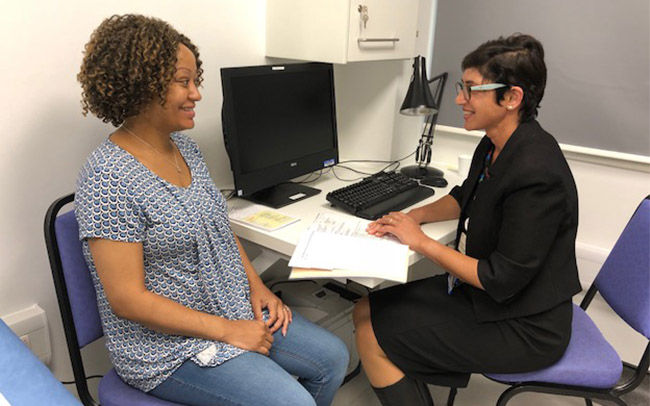
At every appointment your midwife will ask you about how you are feeling, and give you the opportunity to ask any questions or raise any concerns you might have.
At certain points in the pregnancy your baby’s growth will be measured. How a baby grows is different for each person, and your midwife will do a growth check at each antenatal visit.
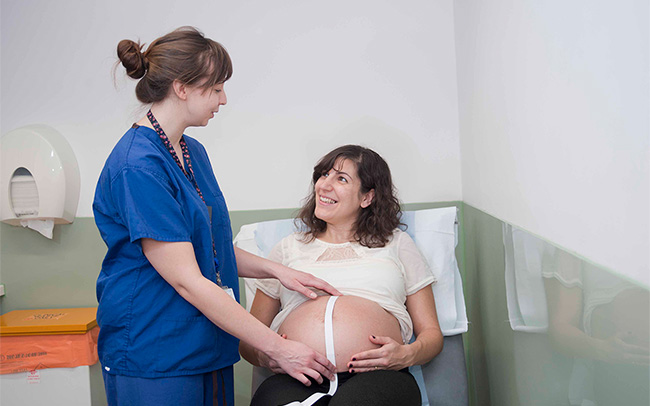
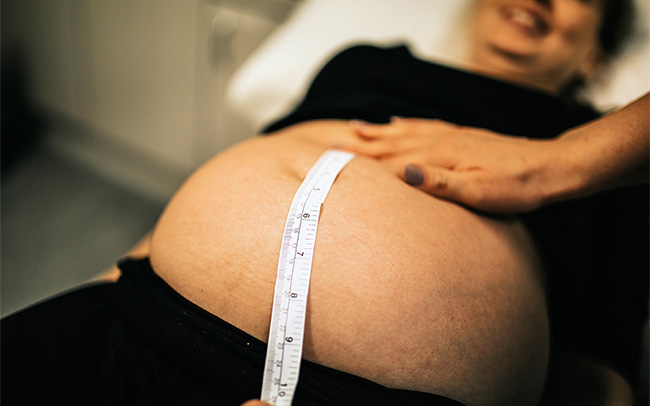
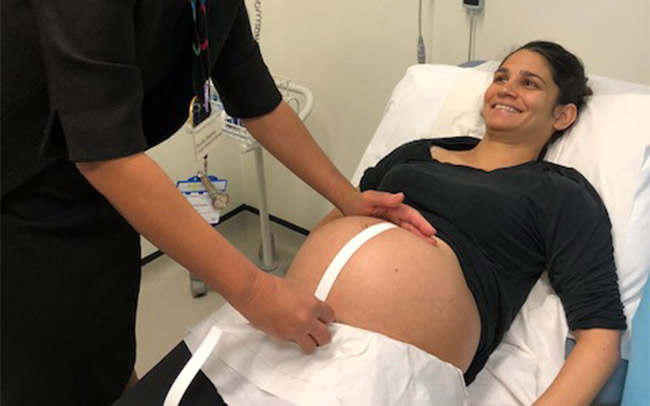
One way growth is measured is by measuring the size of your womb or baby bump. This is known as fundal height. The measurements are recorded on a growth chart and can be used to check that your baby is growing well.
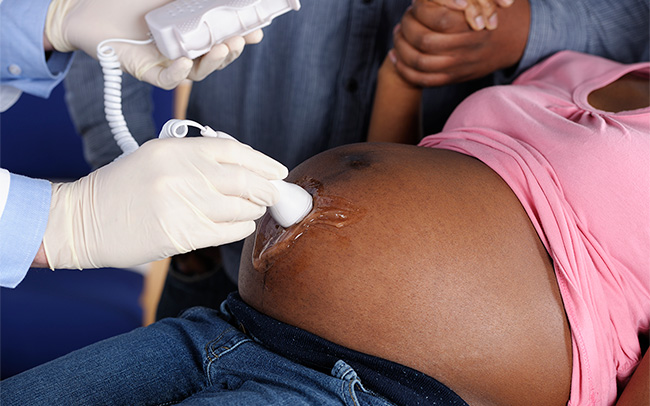
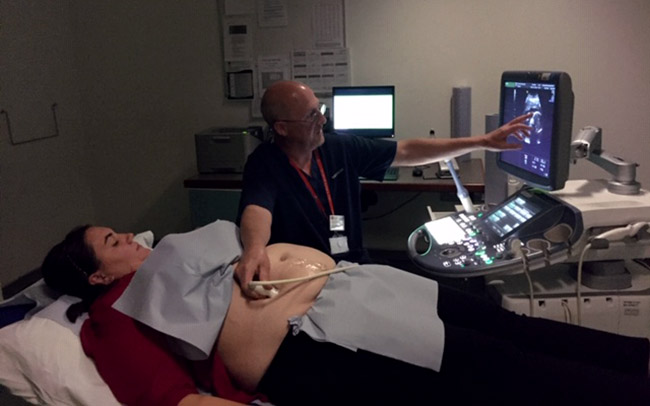
You might also be offered a growth scan. If you are offered a growth scan, your midwife will explain why. Read more in the section: Small baby (fetal growth restriction).
You can bring your partner, friend or family member to your antenatal appointments. However, the midwife may request to see you alone for at least one appointment during your pregnancy.
Once referred to a hospital, you can expect to see a midwife between 8 to 10 weeks of pregnancy.
If your pregnancy is straightforward, these are the appointments you should expect to have. Certain medical or pregnancy needs may result in you needing more appointments than this.
Appointments will normally be with a midwife, GP or obstetrician. The appointments at 25, 31 and 40 weeks are extra appointments for women having their first baby.
At every appointment your midwife will ask you about how you are feeling, and give you the opportunity to ask any questions or raise any concerns you might have.
At certain points in the pregnancy your baby’s growth will be measured. How a baby grows is different for each person, and your midwife will do a growth check at each antenatal visit.
One way growth is measured is by measuring the size of your womb or baby bump. This is known as fundal height. The measurements are recorded on a growth chart and can be used to check that your baby is growing well.
You might also be offered a growth scan. If you are offered a growth scan, your midwife will explain why. Read more in the section: Small baby (fetal growth restriction).
You can bring your partner, friend or family member to your antenatal appointments. However, the midwife may request to see you alone for at least one appointment during your pregnancy.