Fibroids are benign (non-cancerous) growths that are found in or on the womb (uterus). Owing to their location they can have an impact on fertility and getting pregnant.Uterine fibroids are relatively common. 30% of women between the ages of 25 and 44 have symptoms of fibroids. This means that uterine fibroids are common during a woman’s childbearing years. You may not even be aware that you have a fibroid until this shows up on an ultrasound scan.Most women will experience no effects from fibroids during their pregnancy. Some women with fibroids will develop complications during pregnancy. Pain is the most commonly report complication, particularly if the fibroids are bigger than 5 cms.Fibroids may increase the risk of other complications during pregnancy and birth. These include:
Fetal growth restriction (slow growth) – large fibroids may prevent a baby from growing well as there is less space in the womb.
Placental abruption – this occurs when the placenta comes away from the wall of the uterus because it is blocked by the fibroid.
Preterm birth – pain from fibroids may lead to uterine contractions, which can result in the baby being born early.
Miscarriage – the presence of fibroids increases the risk of spontaneous miscarriage in early pregnancy.
Caesarean birth – the presence of fibroids increases the need for caesarean birth due to the location of the fibroids in the womb. If the fibroids are located in the lower part of the uterus, they may block the opening of the birth canal resulting in the need for caesarean birth.
Postpartum haemorrhage – poor contracting can lead to bleeding after the birth. If the uterus is unable to contract because of the presence of fibroids, the blood vessels that supplied the placenta may continue to bleed. Postpartum haemorrhage (bleeding) is a medical emergency and usually occurs 24-48 hours after birth. You should get help urgently.
If you know that you have a fibroid and experience pain, bleeding or contractions during pregnancy, you should seek medical advice from your maternity unit as soon as possible.


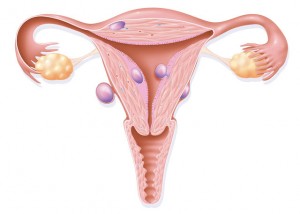 Fibroids are benign (non-cancerous) growths that are found in or on the womb (uterus). Owing to their location they can have an impact on fertility and getting pregnant.
Uterine fibroids are relatively common. 30% of women between the ages of 25 and 44 have symptoms of fibroids. This means that uterine fibroids are common during a woman’s childbearing years. You may not even be aware that you have a fibroid until this shows up on an ultrasound scan.
Most women will experience no effects from fibroids during their pregnancy. Some women with fibroids will develop complications during pregnancy. Pain is the most commonly report complication, particularly if the fibroids are bigger than 5 cms.
Fibroids may increase the risk of other complications during pregnancy and birth. These include:
Fibroids are benign (non-cancerous) growths that are found in or on the womb (uterus). Owing to their location they can have an impact on fertility and getting pregnant.
Uterine fibroids are relatively common. 30% of women between the ages of 25 and 44 have symptoms of fibroids. This means that uterine fibroids are common during a woman’s childbearing years. You may not even be aware that you have a fibroid until this shows up on an ultrasound scan.
Most women will experience no effects from fibroids during their pregnancy. Some women with fibroids will develop complications during pregnancy. Pain is the most commonly report complication, particularly if the fibroids are bigger than 5 cms.
Fibroids may increase the risk of other complications during pregnancy and birth. These include:


