All babies cry, and some cry a lot. Crying is your baby’s way of telling you they need comfort and care. Sometimes it’s easy to work out what they want, and sometimes it isn’t, so be kind to yourself.Do remember that when you become anxious, crying babies tend to sense this and may become more distressed. So, in the initial weeks work your way systematically through the different reasons why a baby may cry.
Tips to comfort a crying baby
Try some of these ways to comfort your crying baby:
place your baby skin-to-skin
check if your baby is hungry. If so, feed your baby
check your baby’s nappy. If dirty, change the nappy
hold your baby close to you. Move about gently, sway and dance, talk to your baby or sing
try stroking your baby’s back firmly and rhythmically, holding her/him against you
find something for your baby to listen to or look at – like music on the radio, a CD, a rattle or a mobile above the cot
rock your baby gently backwards and forwards in the pram
try a warm bath. When testing for bath temperature, a warm bath will feel comfortable against your elbow skin. Warm baths calm some babies instantly, but make others cry even more.
Babies should never be shaken in an effort to get them to stop crying. Shaking a baby can cause very serious brain injury and is considered to be a form of child abuse. Babies are vulnerable to head trauma because they have poor neck strength and have large heads compared to the size of their bodies. When the head moves around vigorously, the baby’s brain moves back and forth inside the skull which can tear tiny blood vessels and nerves causing bleeding and nerve damage. Shaking a baby can leave a baby blind, deaf and with long term learning difficulties.Read the related links for more help.

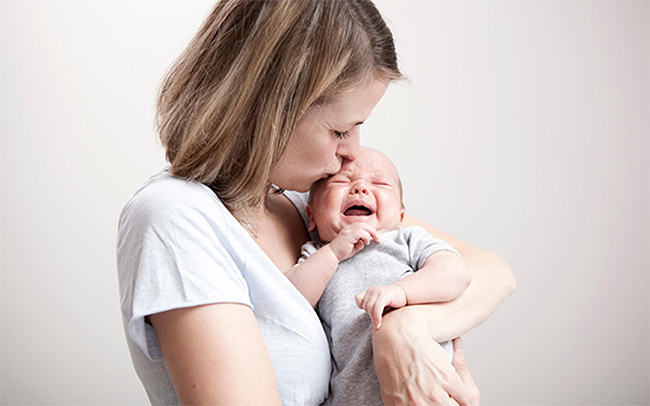 All babies cry, and some cry a lot. Crying is your baby’s way of telling you they need comfort and care. Sometimes it’s easy to work out what they want, and sometimes it isn’t, so be kind to yourself.
Do remember that when you become anxious, crying babies tend to sense this and may become more distressed. So, in the initial weeks work your way systematically through the different reasons why a baby may cry.
All babies cry, and some cry a lot. Crying is your baby’s way of telling you they need comfort and care. Sometimes it’s easy to work out what they want, and sometimes it isn’t, so be kind to yourself.
Do remember that when you become anxious, crying babies tend to sense this and may become more distressed. So, in the initial weeks work your way systematically through the different reasons why a baby may cry.


