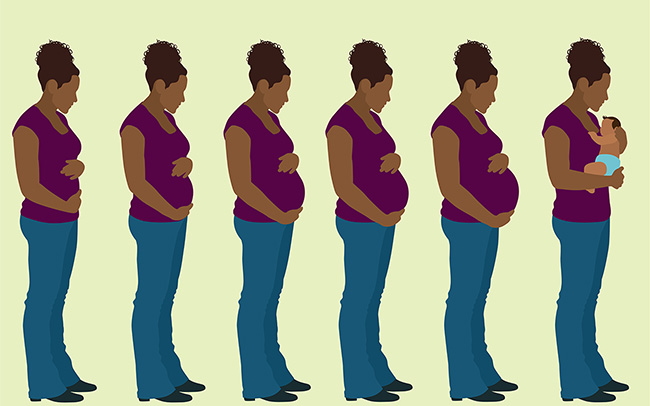
Gestational diabetes after birth
 If you had diabetes before becoming pregnant, you should refer back to your diabetes team for appropriate advice about managing your blood sugars following your baby’s birth.
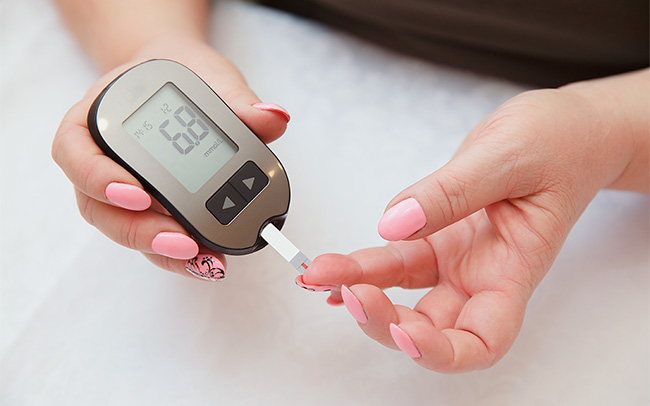
If you have had gestational diabetes, any medication you have been taking in pregnancy to control your blood sugars can usually be stopped after the birth. Your maternity team may check your blood sugars to ensure they are returning to normal prior to you going home from your maternity unit. You do not need to check your blood sugars once home unless you’ve been told to do so.
It is important that you arrange to have a blood test at your GP practice to exclude continued problems with your blood sugar between six and 13 weeks after the birth. Your GP should offer to repeat this blood test every year thereafter, as women who have had gestational diabetes are more likely to be diagnosed with diabetes later in life than those who have not.
Research suggests that breastfeeding your baby for more than 3 months may delay the onset of diabetes in the future, or reduce your chance of developing it at all. You can ask your midwife for support with feeding if you need it.
After you have had gestational diabetes once, the chance is higher that you will have it again in any future pregnancy, therefore it is important to plan your pregnancy and ensure you have access to maternity care early on.
Babies born to mothers with gestational diabetes are at a higher risk of obesity and type 2 diabetes later in life. Use the lifestyle information gained during your pregnancy to make healthy life choices for your whole family and the future.
If you had diabetes before becoming pregnant, you should refer back to your diabetes team for appropriate advice about managing your blood sugars following your baby’s birth.
If you have had gestational diabetes, any medication you have been taking in pregnancy to control your blood sugars can usually be stopped after the birth. Your maternity team may check your blood sugars to ensure they are returning to normal prior to you going home from your maternity unit. You do not need to check your blood sugars once home unless you’ve been told to do so.
It is important that you arrange to have a blood test at your GP practice to exclude continued problems with your blood sugar between six and 13 weeks after the birth. Your GP should offer to repeat this blood test every year thereafter, as women who have had gestational diabetes are more likely to be diagnosed with diabetes later in life than those who have not.
Research suggests that breastfeeding your baby for more than 3 months may delay the onset of diabetes in the future, or reduce your chance of developing it at all. You can ask your midwife for support with feeding if you need it.
After you have had gestational diabetes once, the chance is higher that you will have it again in any future pregnancy, therefore it is important to plan your pregnancy and ensure you have access to maternity care early on.
Babies born to mothers with gestational diabetes are at a higher risk of obesity and type 2 diabetes later in life. Use the lifestyle information gained during your pregnancy to make healthy life choices for your whole family and the future.
Portal: Gestational diabetes (Related link)

 SCAD is a rare but serious heart condition that causes a tear or bruise to develop in a coronary (heart) artery resulting in a blockage that prevents normal blood flow. It can cause heart attack, heart failure or cardiac arrest and can be fatal.
SCAD can happen during pregnancy and during the weeks and months after you have given birth. Symptoms can include:
SCAD is a rare but serious heart condition that causes a tear or bruise to develop in a coronary (heart) artery resulting in a blockage that prevents normal blood flow. It can cause heart attack, heart failure or cardiac arrest and can be fatal.
SCAD can happen during pregnancy and during the weeks and months after you have given birth. Symptoms can include: