All newborn babies are offered a top-to-toe examination within 72 hours of birth. This includes screening tests to assess eyes, heart, hips and in boys, testes. This examination is performed by a specially trained midwife or a neonatal doctor, ideally before you go home. This check is important as it screens for rare, but serious conditions.At six to eight weeks your baby will need another detailed check-up. This is a repeat of the initial newborn screening test (undertaken between six and 72 hours of age) to confirm that there are not any concerns with the heart, eyes, hips and testes which may have emerged since birth. Usually your GP carries out this second examination.
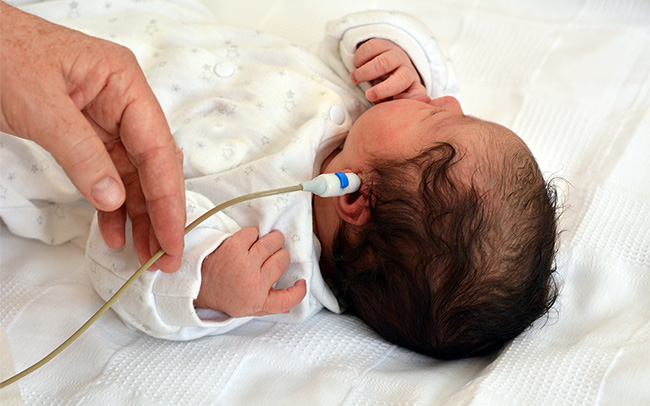
All newborn babies are offered a hearing screen. This test identifies the very few babies (one to two in every 1,000) with hearing loss in one or both ears. Having this test early provides prompt access to services to improve long term child development, should they be needed.Your baby may have his/her newborn hearing screen in the maternity unit before you go home. If your baby missed this screening in the maternity unit, was born at home, or requires a follow up screen, you will be sent an appointment to attend your local baby hearing screening clinic within the first month after birth.
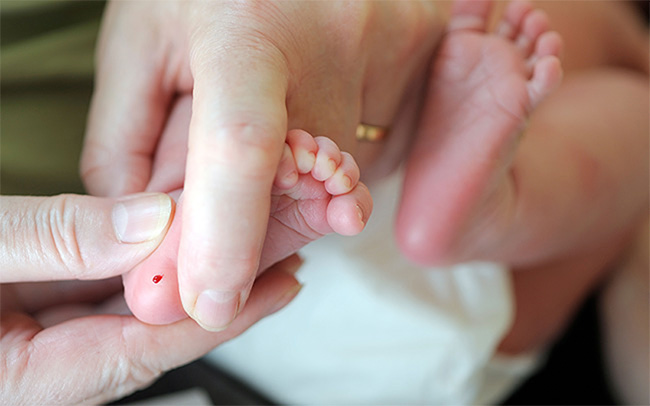
When your baby is between five to eight days old, your community midwife will offer the newborn blood spot test. The test involves collecting four small samples of blood from your baby’s foot on a card.The test screens for nine rare but serious conditions, such as sickle cell disease, phenylketonuria, cystic fibrosis and congenital hypothyroidism.For those babies identified with any of the conditions screened for, we know that early treatment can improve their health and prevent further serious or life threatening complications.If your baby was born early (before 37 weeks gestation) the test may be done in the maternity unit by the neonatal team. More information can be found in the ‘Screening tests for you and your baby’ booklet.
When your baby is 5 days old, your health care professional will routinely offer screening tests for your baby. These may be offered to you at home or in a local postnatal clinic.More information about screening tests can be found in the ‘Screening tests for you and your baby booklet’. This is available to download in many different languages.

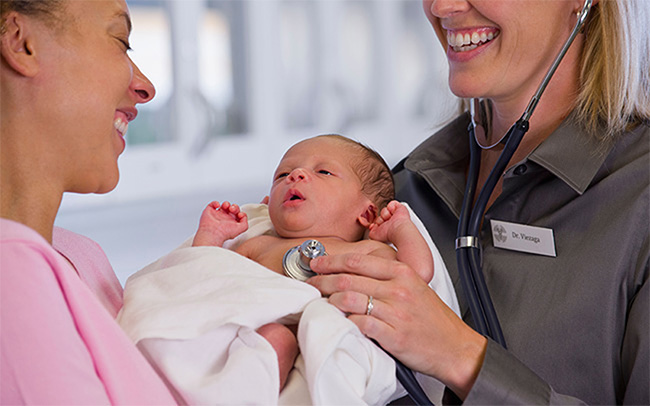 All newborn babies are offered a top-to-toe examination within 72 hours of birth. This includes screening tests to assess eyes, heart, hips and in boys, testes. This examination is performed by a specially trained midwife or a neonatal doctor, ideally before you go home. This check is important as it screens for rare, but serious conditions.
At six to eight weeks your baby will need another detailed check-up. This is a repeat of the initial newborn screening test (undertaken between six and 72 hours of age) to confirm that there are not any concerns with the heart, eyes, hips and testes which may have emerged since birth. Usually your GP carries out this second examination.
All newborn babies are offered a top-to-toe examination within 72 hours of birth. This includes screening tests to assess eyes, heart, hips and in boys, testes. This examination is performed by a specially trained midwife or a neonatal doctor, ideally before you go home. This check is important as it screens for rare, but serious conditions.
At six to eight weeks your baby will need another detailed check-up. This is a repeat of the initial newborn screening test (undertaken between six and 72 hours of age) to confirm that there are not any concerns with the heart, eyes, hips and testes which may have emerged since birth. Usually your GP carries out this second examination.