Pressure ulcers, also known as bed sores or pressure sores, are areas of damage to the skin and deeper layers of tissue.Pressure ulcers may cause pain or become infected leading to a longer hospital stay.Pressure ulcers are caused by a combination of:Pressure: body weight and some medical equipment can squash the skin and damage the blood supply to the area. Lying or sitting in one position for a long period of time can cause this.Shearing: sliding down the bed or chair can damage the skin and deeper layers of tissue. The skin may split or break.Pressure ulcers can develop anywhere in the body but are more commonly found over boney areas such as bottom, heels, elbows, hips, ankles, spine, back of the head and shoulder blades. Usually people can relieve the effects of pressure and shearing by turning in bed and getting out of bed. You may be at risk of developing pressure ulcers if you stay in the same position for too long. Ask your healthcare professional or partner to help you move around safely. Ensure your clothing or bedding is not too tight so that you can move freely.Early signs of pressure ulcers will appear as: a change in skin colour (redder or darker), change in skin temperature (hotter or colder) discomfort or pain, blistering and skin damage. You can check your own skin for signs of pressure ulcers, if you notice anything different on your skin, please contact your healthcare professional.Whilst in hospital, your healthcare professional team will perform a risk and skin assessment to see if you are at risk of developing a pressure ulcer. After the birth, you can ask your healthcare professional to look at your skin if you feel any discomfort.
Protect your skin
Keep your skin clean and dry. Wash your skin every day using mild soap and warm water. Do not use heavily perfumed soap or talcum powder, as these can soak up the skin’s natural oils leading to vulnerable dry areas.
If you suffer from incontinence please inform your healthcare team as they can assess the best way to support you.
Rubbing and massaging skin is bad for it.
If you are given compression stockings (TEDS) to wear, do not allow them to roll down as this can cause pressure and skin damage. Remove the stockings once a day to wash, moisturise and inspect your skin.
Ensure you continue to eat and well balanced diet and drink plenty of fluids.
 Pressure ulcers, also known as bed sores or pressure sores, are areas of damage to the skin and deeper layers of tissue.
Pressure ulcers may cause pain or become infected leading to a longer hospital stay.
Pressure ulcers are caused by a combination of:
Pressure: body weight and some medical equipment can squash the skin and damage the blood supply to the area. Lying or sitting in one position for a long period of time can cause this.
Shearing: sliding down the bed or chair can damage the skin and deeper layers of tissue. The skin may split or break.
Pressure ulcers can develop anywhere in the body but are more commonly found over boney areas such as bottom, heels, elbows, hips, ankles, spine, back of the head and shoulder blades. Usually people can relieve the effects of pressure and shearing by turning in bed and getting out of bed. You may be at risk of developing pressure ulcers if you stay in the same position for too long. Ask your healthcare professional or partner to help you move around safely. Ensure your clothing or bedding is not too tight so that you can move freely.
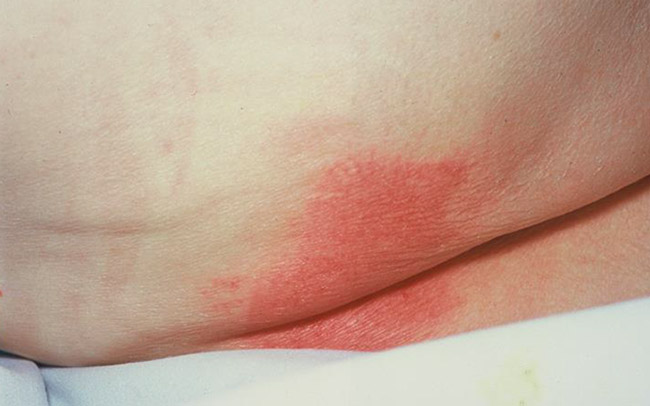
Early signs of pressure ulcers will appear as: a change in skin colour (redder or darker), change in skin temperature (hotter or colder) discomfort or pain, blistering and skin damage. You can check your own skin for signs of pressure ulcers, if you notice anything different on your skin, please contact your healthcare professional.
Whilst in hospital, your healthcare professional team will perform a risk and skin assessment to see if you are at risk of developing a pressure ulcer. After the birth, you can ask your healthcare professional to look at your skin if you feel any discomfort.
Pressure ulcers, also known as bed sores or pressure sores, are areas of damage to the skin and deeper layers of tissue.
Pressure ulcers may cause pain or become infected leading to a longer hospital stay.
Pressure ulcers are caused by a combination of:
Pressure: body weight and some medical equipment can squash the skin and damage the blood supply to the area. Lying or sitting in one position for a long period of time can cause this.
Shearing: sliding down the bed or chair can damage the skin and deeper layers of tissue. The skin may split or break.
Pressure ulcers can develop anywhere in the body but are more commonly found over boney areas such as bottom, heels, elbows, hips, ankles, spine, back of the head and shoulder blades. Usually people can relieve the effects of pressure and shearing by turning in bed and getting out of bed. You may be at risk of developing pressure ulcers if you stay in the same position for too long. Ask your healthcare professional or partner to help you move around safely. Ensure your clothing or bedding is not too tight so that you can move freely.
Early signs of pressure ulcers will appear as: a change in skin colour (redder or darker), change in skin temperature (hotter or colder) discomfort or pain, blistering and skin damage. You can check your own skin for signs of pressure ulcers, if you notice anything different on your skin, please contact your healthcare professional.
Whilst in hospital, your healthcare professional team will perform a risk and skin assessment to see if you are at risk of developing a pressure ulcer. After the birth, you can ask your healthcare professional to look at your skin if you feel any discomfort.


