A baby may be born prematurely as a result of preterm labour or because an earlier birth is recommended, due to complications that may have arisen during the pregnancy (affecting the mother or the baby).In many cases, it is not clear why labour starts early, however factors known to increase the risk of preterm labour include the following;
premature rupture of the membranes (your waters breaking early)
some infections, such as urinary tract infection, or chorioamnionitis which effects the membranes and amniotic fluid protecting the baby
multiple pregnancy (the average twin pregnancy is 37 weeks in length, and the average triplet pregnancy is 33 weeks in length)
previous preterm delivery
having a placenta that is ‘low-lying’ (meaning it either partially or completely covers the cervix) or having a placental abruption (meaning the placenta starts to separate from the wall of the womb)
maternal medical conditions, including diabetes or conditions linked to inflammation (eg. Crohn’s disease)
being a smoker, drinking alcohol or using illegal substances
low Body Mass Index (having a weight that is considered to be low for your height)
biopsies or LLETZ treatments to remove abnormal cervical cells
undergoing subfertility treatment
having a weak (short) cervix that might open during pregnancy
polyhydramnios (excessive amniotic fluid)
intrahepatic cholestasis of pregnancy (a pregnancy condition affecting your liver)
abnormalities of the shape of the womb
previous late miscarriage (after 14 weeks) or having vaginal bleeding after 14 weeks in this pregnancy
having previously had a baby by caesarean section at full dilatation of the cervix.
Sometimes, you may develop a complication during your pregnancy and your healthcare professional may recommend preterm delivery. Examples of conditions that may require preterm delivery include:
moderate to severe pre-eclampsia (a pregnancy condition causing high blood pressure which can also affect some of your internal organs)
poorly controlled diabetes
intrauterine growth restriction (when your baby’s growth slows down or stops)
if your waters break early and you are developing an infection
other medical complications of pregnancy.
Women who are considered to be at risk of starting labour prematurely may be offered treatment to maintain the pregnancy for as long as is safely possible.
Can premature labour and birth be prevented?
Sometimes preterm labour can be predicted especially if there is a history of preterm birth or your cervix is found to be short during a routine scan appointment or you are being seen in a preterm birth clinic because of previous surgery to your cervix. If your cervix is found to be short, you may be offered special medication, or a cervical stitch to reduce your risk of early birth.

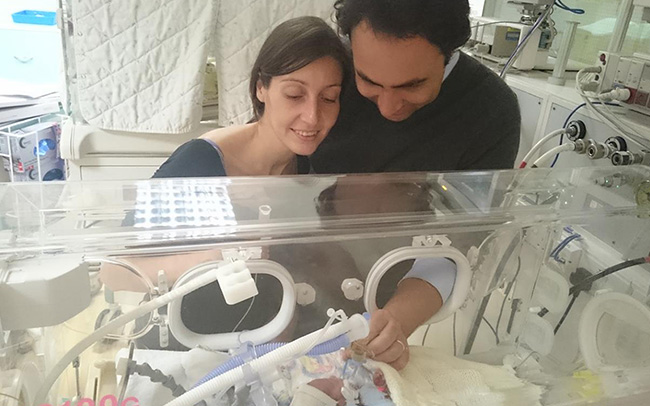 A baby may be born prematurely as a result of preterm labour or because an earlier birth is recommended, due to complications that may have arisen during the pregnancy (affecting the mother or the baby).
In many cases, it is not clear why labour starts early, however factors known to increase the risk of preterm labour include the following;
A baby may be born prematurely as a result of preterm labour or because an earlier birth is recommended, due to complications that may have arisen during the pregnancy (affecting the mother or the baby).
In many cases, it is not clear why labour starts early, however factors known to increase the risk of preterm labour include the following;


