Intrahepatic Cholestasis of Pregnancy (OC): Frequently asked questions
How is the diagnosis made?
If you have itching without a rash in your pregnancy, then you will have blood tests including a liver function and bile acid level. Raised bile acids will confirm the diagnosis of Intrahepatic Cholestasis of Pregnancy (ICP) which is also known as Obstetric Cholestasis (OC).
What does this mean?
For me
You may have severe itching, often starting on the hands and feet but can affect anywhere on your body. Your doctor can give you medication to calm the itching sensation but it will not disappear until you have given birth.
For my baby
If the bile acids are very high (greater than 100) then there is an increased risk of the baby passing away whilst in the womb, so it is really important that the level of bile acids are monitored every week once the diagnosis is made or as long as you have itching.
What will the medical team recommend?
Your medical team will recommend weekly blood tests at least weekly whilst you have symptoms of itching, and once you have a diagnosis of ICP.
What tests will/may be considered? How often may they be needed?
Blood tests for your liver function and the concentration of bile acids in your blood will be checked regularly.
What symptoms and signs should I be looking out for?
Itching in pregnancy without a rash, particularly if it occurs on the palms of your hands or the soles of your feet.
What are the ‘red flag’ symptoms/concerns, which means that they should be reported immediately?
If your baby isn’t moving like normal, then you should be seen at the hospital immediately.
Likely recomendations
Treatment options
If your bile acids are more than 40 mmol/L, then your doctor may recommend treatment with ursodeoxycholic acid or, in severe cases, other medication such as rifampicin. Your itching can be treated with antihistamine tablets and menthol skin creams. Your medical team will provide a prescription if these medications are recommended to you.
Timing of birth
This will depend on the level of your bile acids but would normally be after 38 weeks if the bile acids are less than 100 mmol/L, and around 36 weeks if your Bile Acids are 100 mmol/L or higher.
How may this affect my birth choices?
Continuous monitoring of your baby’s heartbeat in labour will be recommended whether you labour starts naturally or you are are induced, this is because ICP can affect your baby’s heart function.
How may this affect care after the birth?
If you have had abnormal liver function, you will need to see your GP to retest your liver function levels to ensure they have returned to normal.Your baby will be reviewed by a baby doctor after birth to ensure all is well.
What will this mean for future pregnancies? How can I reduce my risk of this happening again?
There is around 50% chance of having ICP in a subsequent pregnancy so you will be asked to keep a close eye out for symptoms of itching and your doctor may arrange some extra blood tests as part of your monitoring in pregnancy.
What will this mean for future/my long-term health and how can I influence this?
ICP does not cause long term health problems but caution is recommended before taking the combined oral contraceptive pill.There is a strong genetic link so you may want to warn your sisters and daughters as they may also be at risk of having this condition in pregnancy.
Pre-eclampsia during pregnancy: Frequently asked questions
How is the diagnosis made?
Pre-eclampsia is a condition that only occurs in pregnancy and usually after 20 weeks. It causes high blood pressure (or makes existing high blood pressure worse) and leaky kidneys with protein in the urine. The diagnosis is made based on symptoms you may experience, blood tests and urine tests.
What does this mean?
For me
The only cure for pre-eclampsia is giving birth to your baby (and placenta) but the timing of birth needs to be balanced with how unwell you and/or you baby are and what early birth would mean for your baby.You may experience headaches, blurred vision, vomiting, swelling of your hands and face or feel generally unwell. At worst, pre-eclampsia can cause kidney or liver failure, blood clotting problems and seizures.
For my baby
Pre-eclampsia affects the way the placenta works and can cause babies not to grow well in the womb and need to be born early. Babies born early may need to spend time on the Neonatal Unit to help them with breathing, feeding and temperature control. Sadly, some babies don’t survive in the womb because of pre-eclampsia.
What will the medical team recommend?
Your medical team will recommend regular checks and occasionally admission to hospital for very close monitoring. You will have regular blood tests to check your kidneys, liver and blood and your blood pressure will be monitored regularly. Extra scans of your baby will be recommended to check that they are growing well in the womb. If you develop pre-eclampsia before 37 weeks of pregnancy, then you may give birth earlier or be recommended to have labour induced at 37 weeks. If you develop pre-eclampsia after 37 weeks, induction of labour will be recommended straight away.This may be a difficult time for you and your family so it is important to have regular and open conversations with your medical team.
What tests will/may be considered? How often may they be needed?
The amount of protein in your urine will be tested alongside tests of your blood, kidney and liver function. The blood test called Placental Growth Factor that shows how well the placenta is working and helps doctors and midwives make the diagnosis of pre-eclampsia before 37 weeks.
What symptoms and signs should I be looking out for?
Headaches,swelling in your hands and face, blurred vision, pain in your tummy, vomiting, or your baby moving less than is normal.
What are the ‘red flag’ symptoms/concerns, which should be reported immediately?
If your baby isn’t moving as normal, then you should be seen at the hospital immediately.If you have any of the symptoms of pre-eclampsia listed above then you should contact your maternity unit immediately.
Likely recommendations
Treatment options
Tablet treatment for your blood pressure will be recommended if your blood pressure reading is more than or equal to 140/90 mmHgThe tablets most commonly used are:
Labetalol
Nifedipine
Methyldopa
Timing of birth
This will depend on how well you and your baby are in the pregnancy. From 37 weeks, induction of labour will be recommended as the risks of remaining pregnant for you and your baby are higher than if you give birth after this time.
How may this affect my birth choices?
Continuous monitoring of your baby’s heart beat in labour will be recommended whether you labour spontaneously or are induced, this is because the placenta may be working less well and we would not want to miss changes in the heart rate that would indicate the baby is not coping well with labour. This is available in hospital on the labour ward.
How may this affect care after the birth?
You will need to have your blood pressure checked very regularly and stay in the hospital for at least 24 hours after you give birth
Any blood pressure treatment will be switched to those suitable for breastfeeding (enalapril or amlodipine)
You may need to have magnesium and restrict how much fluid you drink
You will need to see your GP for ongoing monitoring of your blood pressure and treatment after the birth
What will this mean for future pregnancies? How can I reduce my risk of this happening again?
High blood pressure can be reduced through diet and exercise if you are overweight or inactive.You will be advised to take aspirin in future pregnancies to reduce the risk of developing pre-eclampsia again as aspirin helps the placenta work well.
What will this mean for future/my long-term health and how can I influence this?
Pre-eclampsia increases your lifetime risk of high blood pressure four times compared to women who don’t have pre-eclampsia in their pregnancies.Your risk of high blood pressure and heart disease can be reduced by eating healthily, especially by reducing your salt intake and exercising regularly.Your risk of heart disease can also be reduced by taking your blood pressure treatment to control your blood pressure and your GP will tell you how low they would like your blood pressure to be on treatment.
You were probably diagnosed with epilepsy before you became pregnant. This condition causes seizures and these can affect the whole body with shaking and tongue biting or only affect particular parts of the body such as losing awareness and staring into space. Ideally you will have been offered pre-conception counselling to optimise your health before pregnancy.
What does this mean?
For Me
Pregnancy can lower the threshold for seizures to occur so it is important that you have care under an obstetrician specialising in medical conditions and a neurologist. You will be asked to take 5mg folic acid (ideally for three months prior to your pregnancy) to reduce the risk of disorders like spina bifida for the baby and you might need to increase your medication during pregnancy or take extra medications around the time of the birth.
For my baby
The medication called sodium valproate should not be taken in pregnancy but the other commonly used anti-epilepsy drugs are all safe to be used in pregnancy. It is really important that your epilepsy is treated effectively as frequent seizures in pregnancy can affect the baby’s growth.
What will the medical team recommend?
You may need extra blood tests to check the level of your anti-epileptic drug in your blood and to ensure you don’t need more. You will be recommended to take 5mg of folic acid to reduce the chances of your baby having a spine abnormality. You may be offered extra scans to check your baby’s growth.
What are the ‘red flag’ symptoms/concerns, which means that they should be reported immediately?
You must tell your medical team immediately if you have any seizures in your pregnancy so that they can ensure you are on the right level of treatment and organise tests to check your baby’s wellbeing.
Your partner and close family should be shown how to place you in a recovery position if you have a seizure.
The risk of seizures is greatest around the time of the birth and in the first 24 hours after the birth.
Likely recommendations
Treatment options
It is normally recommended that you stay on the same medication that you are on at the beginning of your pregnancy (but not sodium valproate) but you may need to increase the dose or add in other medication to control your epilepsy in your pregnancy. This is particularly important around the time you give birth when your sleep may be disrupted which can also increase the chance of having seizures.
Timing of birth
Normally the timing of birth is not affected by your epilepsy. Your medical team may recommend having an epidural for pain relief in your labour so that you can rest and reduce your risk of becoming excessively tired.
How may this impact my birth choices?
It is likely your team will recommend you give birth in the hospital and in a birth setting where doctors are readily available, such as the labour ward, in case you have a seizure during or immediately after your labour. It is recommended not to labour in water in case you have a seizure.
How may this affect care after the birth?
It is really important that you follow normal epilepsy advice such as taking showers instead of baths. Additionally, you will be advised not to change your baby’s nappy on a high surface but to use a change mat on the floor. There are lots of other helpful tips available from the links below.
If you received antibiotics in labour only because of the known risk of GBS infection, this will be stopped at the time of the birth. For 12-24 hours after the birth, your team will monitor you and the baby for anything concerning, including signs of infection. The monitoring aims to identify early warning symptoms and signs. For the baby, this will include overall assessment and regular measurement of heart rate, respiratory rate, colour, temperature and feeding. The baby will stay with their mothers on the postnatal ward.
Signs of a possible infection
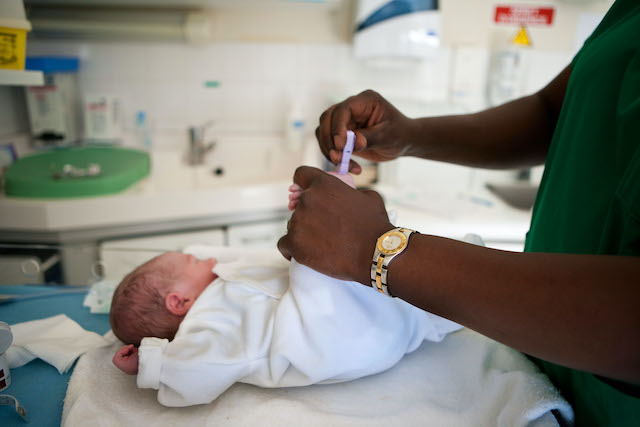
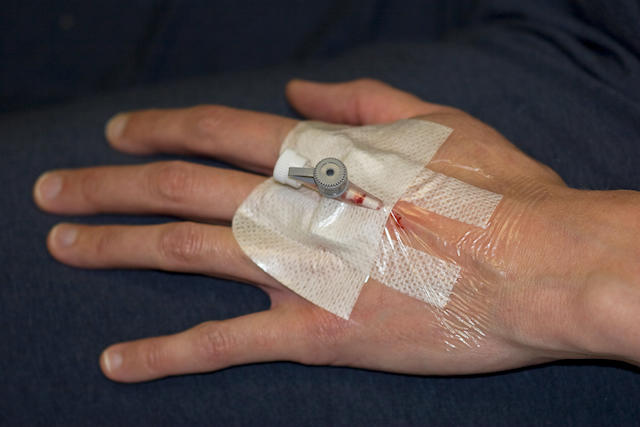
At birth, a baby doctor will review your baby’s risk of infection based on factors including your own signs infection, the course of your labour and an assessment of your baby. Your baby will be observed closely and have regular measurement of heart rate, respiratory rate, colour, temperature and feeding for at least 12 hours.Depending on the risk of infection, your baby may need to have some blood tests to look for infection and be started on antibiotics. In this case, the neonatal doctors will put a tiny cannula in your baby’s hand or foot so that they can take some blood to test and give the antibiotics directly into a vein (intravenous). If antibiotics are required, your baby will receive these twice a day through the cannula and the ward staff will continue to monitor your baby closely as before.Your baby can stay with you on the postnatal ward during this time. Should there be further concerns your baby may need to be admitted to the neonatal unit to enable close monitoring, further tests and necessary treatment. You’ll be able to visit your baby in the neonatal unit.
Why does my baby need antibiotics?
Antibiotics are started in babies assessed as being at significantly increased risk of infection. This is because infection in babies can be very serious if left untreated and even if your baby looks very well, they can become sick very quickly. The good news is that antibiotics can help keep your baby well.The antibiotics must be given directly into their blood stream as babies are not able to absorb sufficient amount of antibiotics from their gut. You will be able to breastfeed your baby and the ward staff will support your feeding choices.We want you to know that there are normally no side effects or allergic reactions with use of antibiotics in newborn babies. If you are unsure why your baby needs antibiotics, please ask the medical team to explain this to you.Whilst you will have to be careful with the cannula when holding your baby, you will be able to do skin-to-skin and breast feed your baby.
What tests will my baby have?
If your baby requires investigation for infection, a number of blood tests will be performed, including:
1) CRP (C-reactive protein), which is produced by our bodies in response to an infection or inflammation. A high CRP can indicate the presence of an infection in the body.
2) Blood cultures to identify if any bacteria are growing in the blood. This result may be available within 36-48 hours of the test.
After 18-24 hours from birth, the CRP test will usually be repeated by collecting a small amount of blood from a heel prick.If at any stage your baby’s health or any of the results are a concern, they may need more tests like a chest x-ray and/or a lumbar puncture to work out the site of infection and will require a longer course of antibiotics. The neonatal doctors will discuss this with you.
How long will my baby need antibiotics?
The length of time your baby needs antibiotics will depend on how your baby is doing and what the results show.If your baby remains well, the CRP is not high and the blood cultures do not grow any bacteria, the antibiotics can usually be stopped after 36-48 hours. A longer course of antibiotics may be indicated should there be any concerns.
When can we go home?
At the time of birth, it is difficult to know when you and your baby will be able to go home. After 36-48 hours, the doctors will have a better idea of the duration of treatment required. Your team will continue to review you and your baby on the ward daily until they feel sure that you are both well enough to go home.On discharge from the hospital, you will receive written information about the medical treatment delivered on the ward. You can share this with your community midwife and health visitor. Your GP will be sent this information.
Guidance for next pregnancy if you or your baby was identified as having GBS
If you become pregnant again, please inform the maternity care team looking after you that about the positive GBS result, so that they can offer antibiotics in labour to reduce the risk of early onset GBS infection in the baby.
What should I do if I have worries?
Ongoing maternity care is provided by community midwife, who are local to where you will be based after discharge from the hospital. The community midwife will make contact with you within 24-48 hours of being at home. They will support you and your baby’s care.Should you have any urgent concerns regarding the health of you or your baby, please seek medical advice from your GP, NHS 111, 999 or attend your local Accident and Emergency department. For baby, these concerns may include baby showing abnormal behavior (for example, inconsolable crying or listlessness), being unusually floppy, has an abnormal temperature unexplained by environmental factors (lower than 36 or higher than 38 Degree centigrade), abnormal breathing (rapid breathing, difficulty in breathing or grunting) or change in skin colour (for example baby becomes very pale, blue/grey or dark yellow) or has developed new difficulties with feeding.
There are two reasons why you might be given antibiotics during labour:
1) Known risk of an infection
Antibiotics in labour will be recommended if there is an increased risk of infection to the baby by bacterium called Group B Streptococcus (GBS). This could be indicated in labour if:
a) results in your current or previous pregnancy have detected GBS in vaginal or urine testing; or
b) labour starts prior to 37 weeks and is associated with rupture of membranes prior to the onset of labour.
The team will check your allergies and available results to determine which antibiotics to give you until your baby is born. When antibiotics are administered for this indication only, you will be able to walk around in labour.
2) Signs of a possible infection
Infection in labour may be suspected based on symptoms like fever, or signs like a higher than expected heart rate in you or baby in the womb.Infection can occur in any part of your body. If we can’t identify where the infection is, we work on the assumption that it could be in the womb, and this may be difficult to confirm until at least a few days later.Untreated infection can sometimes spread to the blood and if not treated it may have serious consequences. Given the risk that an infection may pose, the medical team will undertake a detailed assessment of you and your baby. They will conduct a range of tests on you to help establish the type of infection. This will include blood tests, urine tests and vaginal swabs. The tests include full blood count, C-reactive protein (CRP), blood/urinary/vaginal culture and sensitivity. The team will recommend starting antibiotics through a cannula (a very fine, flexible plastic tube) directly into your vein.You will need to be monitored closely and this will involve continuous monitoring of you and the baby, which may limit you from walking around in labour. We will continue to support your birth preferences as best as possible and discuss all options and recommendations so that you can make informed choices about your care. We will help you adopt positions that are comfortable for you and that are known to support vaginal births.Some of the blood results will be available within a few hours and some tests (microbiological cultures and sensitivity) may take up to 3 days.Your team will continue to monitor you and your baby closely through your labour and will keep you informed of their findings and recommendations. You are encouraged to ask any questions or share concerns you may have.
What will happen after the birth?
1) Known risk of an infection
If you received antibiotics in labour only because of the known risk of GBS infection, this will be stopped at the time of the birth. For 12-24 hours after the birth, your team will monitor you and the baby for anything concerning, including signs of infection. The monitoring aims to identify early warning symptoms and signs. For the baby, this will include overall assessment and regular measurement of heart rate, respiratory rate, colour, temperature and feeding. The baby will stay with their mothers on the postnatal ward.
2) Signs of a possible infection
Your antibiotics will be continued through the cannula until your temperature has been normal for at least 24 hours after the birth, you feel well and the infection results indicate an improvement.Based on your recovery and test results, you may need to continue the antibiotic course as tablets. The total duration of antibiotics can vary but they will be safe to take if you are breastfeeding.If you have a urinary infection, you will need to repeat a urine test (culture and sensitivity) a week after you complete your antibiotics course to make sure the infection has been treated fully.
VBAC stands for ‘vaginal birth after caesarean’. This term is used when women give birth or plan to give birth vaginally after previous caesarean birth. Vaginal birth includes normal delivery and delivery assisted by forceps or vacuum cup (ventouse).
What choices do you have in managing your pregnancy pathway?
Women who have had a caesarean birth before will have a consultation during the course of pregnancy with either a consultant obstetrician or consultant midwife or designated deputy to discuss individual risks and options.Women can choose either VBAC or planned elective caesarean, an operation to deliver the baby after 39 weeks of pregnancy. The plan will be reviewed with you throughout pregnancy. You can change your mind and you should discuss any questions with your midwife or obstetrician. In case of any emergency please call your local maternity unit.
Are all women suitable for VBAC?
Not all women are recommended for VBAC. In your first/subsequent pregnancy after an LSCS you may have been given a letter which explains your options. At the consultation the obstetric doctor or specialist midwife will discuss your options with you, and review your previous notes, if available. An individualised plan will be agreed with you that will be reviewed throughout your pregnancy.
VBAC facts
More than one in five women in the UK may have experienced birth by LSCS. Around half of these are planned and the other half as an emergency. VBAC is generally only offered to women with a singleton pregnancy with the baby in the head down position, who have had a lower segment caesarean section (LSCS).Chances of success are approximately 72-75%. A number of factors affect the success rate of VBAC. These include maternal weight, your health, and whether your labour starts spontaneously. Women who have an interval of less than a year from a previous LSCS are not at greater risk of scar rupture, but are more at risk of having a preterm birth. It is generally advised that there should be at least a year between births. Women who have had two or more caesarean births can be offered the opportunity for VBAC after counselling. Success rates are similar (62-75%). If you have had a successful VBAC previously you have an 85-90% chance of successful VBAC the next time.
What are the risks associated with VBAC?
There is a 1:200 (0.5%) chance of scar rupture, this increases significantly if you are induced. Induction with amniotomy (artificial rupture of the membranes) or balloon catheter is associated with a lower risk of scar rupture compared to using prostaglandins (medical method). Approximately 25% of women in labour will need an LSCS. An emergency LSCS has more risk than a planned LSCS, and you may have a higher chance of haemorrhage, leading to the need for a blood transfusion in this situation. Your chance of experiencing bladder or bowel injury during an emergency procedure is higher than in a planned procedure. Complications for baby are similar to a woman birthing a baby for the first time. You may require an assisted birth, or experience perineal trauma involving the back passage (anus). Estimated birth weight may be a factor in the risk affecting perineal trauma.
What are the advantages of a successful VBAC?
If you have a successful VBAC it is associated with fewer complications than a planned LSCS. Your recovery is likely to be quicker and you should be able to return to normal activities sooner. Your hospital stay is likely to be shorter. Your baby is likely to have less chance of breathing difficulties.
When is VBAC not advisable?
Planned VBAC is not recommended if you have experienced a previous uterine rupture or have classical caesarean scar (a vertical scar on the tummy) or if there are other pregnancy or medical/health complications, or previous uterine surgery.
What happens during labour for women experiencing VBAC?
You will normally be advised to labour in the hospital’s labour ward. You are advised to call the hospital when you have regular contractions or your waters have broken. Continuous monitoring of the baby’s heart rate is recommended. There are a range of pain relief options, and you will be advised about having an intravenous needle inserted in your hand for fluid management. If you choose not to give birth in hospital then you are normally seen by a specialist midwife or consultant midwife who will create an individualised plan with you.
What happens when labour does not start spontaneously?
If you are not in spontaneous labour by 40 weeks you will normally be seen in the antenatal clinic and assessed. You will be given options that include induction (IOL) with prostaglandins (medical method), induction with amniotomy (artificial rupture of the membranes) or balloon catheter, or to wait another week. Delivery by LSCS will be discussed with you on an individualised basis. Any decision relating to induction of labour or LSCS will take into consideration any risks for you and your baby.
Parents and parents-to-be with additional needs/disability are often well adapted to their activities at home and at work, in their relationships and in interactions with their surrounding environment. Adapting to pregnancy, birth and parenting may require further adaptations. It is estimated that almost 10% of parents have a long term health condition which may result in disability or adaptation to daily living.Maternity and other services can work in partnership with parents to facilitate individualised decision-making, equal access and making adjustments for pregnancy/birth and parenting.
Tips for getting the support you need:
Report your additional needs when completing your pregnancy self-referral form and discuss these needs again when you meet your midwife for the first time.
Ask for a named midwife or to be part of a continuity of care team. Knowing your midwife facilitates partnership working and personalised planning around your own needs.
You are the expert in yourself, so talk to your midwife about what would help you through pregnancy, birth and parenting. Complete the Health and wellbeing in pregnancy personalised care and support plan with your midwife, highlighting the need for adjustments and improved access.
Consider a self-referral for a Health Needs Assessment if you require assessment of your home, care needs or benefits.
Refer yourself to your local sensory impairment team for advice and adaptive equipment i.e. vibrating mat to alert to baby’s cry if you are hearing impaired.
Ask to see an occupational therapist for further specialised adaptive advice for home and parenting. Contact the local Social Services Occupational Therapy (for adaptive equipment and home adaptations) or Community Therapy teams e.g. neuro-rehabilitation for specific conditions such as Multiple sclerosis, Stroke or Functional Neurological Disorder, or via the community Learning Disability Team. Your GP can assist with making these referrals.
You can request longer appointment times, transport and accessibility to venue for appointments to facilitate your or your supporter’s needs.
Consider if you need someone with you at appointments, i.e. British Sign Language (BSL) interpreter, advocate or supportive relative. Talk about whom you would need to have with you during your hospital inpatient stay – assistance dog/supporter/interpreting service.
Discuss your preferred mode of communication i.e. small chunks of information, emailed information to support verbal advice to support memory, large print, technical aids i.e. signing app, audio messaging.
Ask about access to antenatal classes. The BSL interpreter can be with you if you are hearing impaired; the information can also be tailored for visually impaired parents. The midwife can allocate time for a personal session to individualise to your needs.
Environment:
It may be useful to ask for a tour of the birth and after birth areas to familiarise and identify where adjustments may be required.
Talk to your midwife about accessibility of the birthing pool, bathrooms, showers, bed heights, adjustable cot height and a single room after the baby is born to facilitate your stay if needed.
Talk to your midwife about lighting, sound or temperature sensitivities or any preferences that make adapting to the environment more manageable.
Discuss birth positions in case modifications are needed.
Thinking about baby care:
Talk to the midwife about your home environment – think about inside the home and outdoors.
Baby sleeping area – would a cot attached to the bed make it easier to reach the baby overnight?
Plan your night and day equipment – safe sleeping in your bedroom and in your living room i.e. Moses basket.
Baby changing stations (e.g. mat and equipment) in day/night area – to support energy conservation.
Carrying the baby – a baby wearing sling may help to enable you to keep your hands free or a light pushchair at home to move the baby from room to room.
Transporting the baby – will you use public transport, car or walk? Consider your needs when choosing a pushchair. The weight, brake location, ease of access, assembly and storage are things to consider when choosing the pushchair.
Infant feeding – discuss with your midwife. Consider a supportive infant feeding pillow to support baby’s position for feeding. Consider your own comfort and supported position. Where will you be feeding? Modified feeding positions i.e. for one handed feeding, or equipment to support holding the bottle. Ask your midwife about collecting breast milk during the last part of pregnancy if you feel this could be useful to supplement the baby’s needs in the early days.
If fatigue is a concern, your midwife can work with you to offer tips such as sleeping when the baby sleeps, energy conservation tips such as planning, pacing and prioritising what you need to ‘do, delay, delegate or ditch’ to enable your self-care and meeting the needs of your baby.
Talk to your supporters/family to ascertain how they can help you. Plan during the pregnancy so that you are ready for when the baby arrives. Where there is limited support discuss with your midwife to explore what other services might be available to you.
This will have been made before pregnancy. All women with Type 1 diabetes should be offered preconception counselling to optimise their health.
What does this mean?
For me: Pregnancy can increase your risk of developing or worsening your pre-existing diabetic eye or kidney problems. In the first trimester you are at higher risk of having episodes of low blood sugar. In the second half of the pregnancy you are at higher risk of diabetic ketoacidosis and pre-eclampsia and preterm delivery. You will need to attend more hospital visits during pregnancy and you will be under the care of a specialist team.For my baby: There is a greater risk of having a miscarriage or stillbirth. There is an increased risk of congenital abnormalities (birth defects for your baby) when your blood glucose levels are high at the time of conception, and during the first trimester. In the second half of pregnancy high blood sugar levels can increase the size of your baby or there may be a growth restriction (slow growth). This can make it make the delivery of your baby more complex. Your baby is more likely to have low blood glucose after they are born and may have other health conditions requiring specialist support.
What will the medical team recommend?
You will be seen in a joint diabetes and pregnancy clinic. Your first scan should take place at 7-9 weeks and you will need extra scans throughout the pregnancy. You will be asked to make changes to your diet and maintain/increase your physical activity.
What tests will/may be considered? How often may they be needed?
You will be asked to measure your blood sugar levels more often. You will be given more support for blood glucose monitoring and offered a continuous glucose monitoring sensor and will be given a ketone meter. You will be reminded what your target blood glucose levels should be and you should aim to keep your blood glucose within that range at least 70% of the time. You will need regular eye check-ups during pregnancy. Your blood pressure and kidney blood tests will also be monitored very closely.
What symptoms and signs should I be looking out for?
Morning sickness in the first trimester may affect your blood sugar levels. You may need anti-sickness medication if you are vomiting, so let your specialist maternity team know. Anti-sickness medication is safe to use during pregnancy. You are more likely to be unaware of your low blood sugars. You should have a glucagon pen at home and your partner/family should know how to administer this in an emergency should you become unwell.
What are the ‘red flag’ symptoms/concerns, which means that they should be reported immediately?
If you feel unwell or unable to take your regular insulin you must attend the hospital immediately. If your baby is not moving you should attend the hospital immediately.
How are recommendations made regarding treatment options?
You should be taking 5mg folic acid daily at least 3 months before conception and up to 16 weeks of pregnancy. To reduce your risk of pre-eclampsia you should take 75mg-150mg of aspirin each night from 12 weeks until 36 weeks. Your insulin doses will change during pregnancy. For example you may notice a drop in your insulin requirements in early pregnancy (typically at 8-16 weeks) and an increase in insulin requirements in the second half of your pregnancy. Be sure to discuss all treatment with your specialist team at the hospital.
How are recommendations made regarding timing of birth
You will be advised to deliver around 38 weeks gestation. This may be earlier if there are concerns about you, your blood glucose levels, or your baby. By 36 weeks your team should be working with you to make a plan for the birth.
How may this impact my birth choices?
You may be offered an induction of labour if your team feels it is safer to do so. You will need blood glucose monitoring throughout labour.
How may this affect care after the birth?
You and your baby will need to be monitored very closely after birth. Your baby is at risk of low blood sugar levels after birth. If you are breastfeeding you may find that your glucose levels drop quickly while you are feeding, and afterwards. A birth plan prior to delivery should have been agreed to regulate your insulin requirement.
What will this mean for future pregnancies? How can I reduce my risk of this happening again?
Look after your health between pregnancies.
What will this mean for future/my long-term health and how can I influence this?
Contraception and a follow up plan should be agreed before you are discharged from maternity care.
This will have been made before pregnancy. Ideally all women with type 2 diabetes should be offered preconception counselling to optimise their health.
What does this mean?
For me: Pregnancy can increase your risk of developing or worsening your pre-existing diabetic eye or kidney problems. You are at higher risk of diabetic ketoacidosis and pre-eclampsia. You will need to attend more hospital visits during pregnancy and you are more likely to be delivered early (around 38 weeks of pregnancy).For my baby: There is a greater risk of a miscarriage or stillbirth. There is an increased risk of congenital abnormalities if your blood glucose levels are consistently raised at the time of conception. In the second half of pregnancy the sugar level can increase the size of your baby or there may be growth restriction slow growth). This can make it make the birth of your baby more complex. Your baby is more likely to have low blood glucose levels (hypoglycaemia) after birth and may have other health conditions requiring specialist support.
What will the medical team recommend?
You will be seen more frequently in a joint diabetes and pregnancy clinic. Your first scan should take place at around 7-9 weeks and you will need extra scans throughout the pregnancy. You will be asked to make changes to your diet and maintain/or increase your physical activity.
What tests will/may be considered? How often may they be needed?
You will be asked to measure your blood sugar levels at least four times a day: once before breakfast (fasting) and one hour after each meal. You will be given more support for blood glucose monitoring and may be offered a continuous glucose monitoring sensor. You will need eye check-ups during pregnancy. Your blood pressure will also be checked regularly.
What symptoms and signs should I be looking out for?
Morning sickness in the first trimester may affect your blood sugar levels. You may need anti-sickness medication if you are vomiting, so let your team know. Anti-sickness medication is safe to use during pregnancy.
What are the ‘red flag’ symptoms/concerns, which means that they should be reported immediately?
If you feel unwell or are unable to take your regular insulin you must attend the hospital. If your baby is not moving you should attend the hospital immediately.
How are recommendations made regarding treatment options?
You should be taking 5mg folic acid daily at least 3 months before conception and up to 16 weeks of pregnancy. To reduce your risk of pre-eclampsia you should take 75mg-150mg of aspirin each night from 12 weeks until 36 weeks. Medications that are safe to use in pregnancy are metformin and insulin. You may need more insulin as you progress through your pregnancy.
How are recommendations made regarding timing of birth?
You will be advised to deliver around 38 weeks gestation. This may be earlier if there are concerns about you, your blood glucose levels or the size of your baby. By 36 weeks your team should be working with you to make a plan for the birth.
How may this impact my birth choices?
You may be offered an induction of labour if your team feel it is safer to do so. You will need blood glucose monitoring throughout labour.
How may this affect care after the birth?
You and your baby will need to be monitored very closely after birth. Your baby is at risk of low blood glucose levels after birth. If you are breastfeeding you may find that your glucose levels drop quickly while you are feeding, and afterwards. A birth plan prior to delivery should have been agreed to regulate your insulin requirement.
What will this mean for future pregnancies? How can I reduce my risk of this happening again?
Look after your health between pregnancies.
What will this mean for future/my long-term health and how can I influence this?
Contraception and a follow up plan should be agreed before you are discharged from maternity care.
You would have been screened for GDM if you have any of the following risk factors:
obesity
previous 4.5 kg baby
family history with diabetes
your ethnicity
previous gestational diabetes: or
you have persistent sugar in your urine. A blood test measuring your blood sugar (glucose) level after a sugary drink will confirm the diagnosis.
What does this mean?
For me: GDM increases your chance of developing pre-eclampsia during your pregnancy and having type 2 diabetes mellitus later in life.For my baby: There is a greater risk of having a miscarriage. The blood sugar level can increase the size of your baby. This could make it harder for you to deliver your baby and can increase the risk of your baby having shoulder dystocia. Your baby would be at a greater risk of developing obesity and or diabetes mellitus in their later life.
What will the medical team recommend?
You will be seen more frequently in a joint diabetes and pregnancy clinic. You will be asked to make changes to your diet and increase your physical activity. These lifestyle changes will help reduce your blood sugar level.
What tests will/may be considered? How often may they be needed?
You will be shown how to check your blood sugar levels and told what your target blood levels should be. You will be asked you to measure your blood sugar levels four times a day, once before breakfast (fasting) and one hour after each meal. You will need to do this daily until you deliver your baby.
What symptoms and signs should I be looking out for?
GDM does not usually have any symptoms. If your blood sugar level is high you may feel you want to urinate more, be thirstier or have vaginal thrush (itching and white vaginal thrush.
What are the ‘red flag’ symptoms/concerns, which means that they should be reported immediately?
If you feel unwell or your baby is moving less than normal.
How are recommendations made regarding treatment options?
Firstly you will be advised on diet changes and if this does not help you could be offered metformin or insulin. All these medications are safe for your baby.
How are recommendations made regarding timing of birth?
This may change depending upon the size of a baby and your blood sugar control.
How may this impact my birth choices?
We may advise you to deliver your baby before your due date.
How may this affect care after the birth?
You can stop checking your blood glucose levels after you have had your baby.
What will this mean for future pregnancies? How can I reduce my risk of this happening again?
GDM can increases your risk of developing gestational diabetes in a future pregnancy. It’s important to eat healthily and take regular physical activity during pregnancy, and to keep it up after pregnancy. This will reduce the risk in future pregnancies.
What will this mean for future/my long-term health and how can I influence this?
GDM can increases your risk of developing Type 2 diabetes in the future. It’s important to eat healthily and take regular physical activity during pregnancy, and to keep it up after pregnancy. This will reduce your future risk of developing Type 2 diabetes. You will need to see your GP every year to check you haven’t developed type 2 diabetes mellitus.
Where can I find out more information about this condition?

 There are two reasons why you might be given antibiotics during labour:


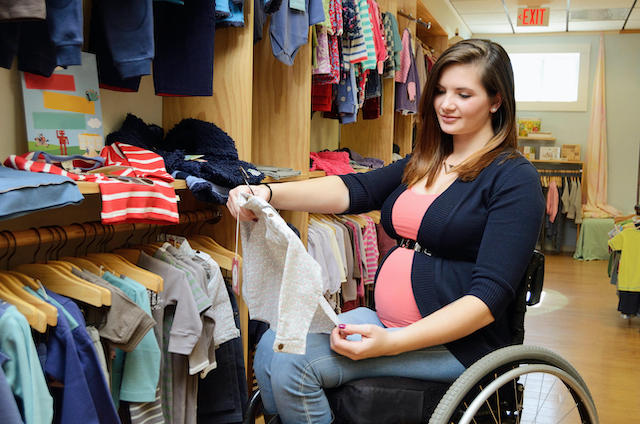
 Parents and parents-to-be with additional needs/disability are often well adapted to their activities at home and at work, in their relationships and in interactions with their surrounding environment. Adapting to pregnancy, birth and parenting may require further adaptations. It is estimated that almost 10% of parents have a long term health condition which may result in disability or adaptation to daily living.
Maternity and other services can work in partnership with parents to facilitate individualised decision-making, equal access and making adjustments for pregnancy/birth and parenting.
Parents and parents-to-be with additional needs/disability are often well adapted to their activities at home and at work, in their relationships and in interactions with their surrounding environment. Adapting to pregnancy, birth and parenting may require further adaptations. It is estimated that almost 10% of parents have a long term health condition which may result in disability or adaptation to daily living.
Maternity and other services can work in partnership with parents to facilitate individualised decision-making, equal access and making adjustments for pregnancy/birth and parenting.
