What to consider

What to consider?

Many women opt to book for care with their nearest maternity unit and there are some benefits to making this choice:
  • you are more likely to receive care from a small team of midwives, in a location close to home
  • you are more likely to get to know one midwife, and one team which can improve your maternity experience
  • you will have less distance to travel when you are in labour
  • if you would like to have a homebirth this must be booked through your local maternity unit, this may not be your nearest unit 
  • care at home after your baby is born is always provided by your local midwife team (this is likely to be a team that you have already met).

Other considerations when making your choice:

  • facilities available
  • public transport and ease of parking
  • ease of travel to and from your place of work
  • recommendations from your friends, family and others 
  • where you have previously received maternity or other health care.

Sepsis after birth

Sepsis after birth

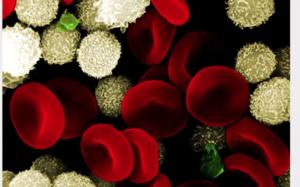
Sepsis infection particles under a microscope Infection in pregnancy and/or after your baby’s birth should never be ignored. Some infections can progress to a more serious situation known as sepsis, where the infection spreads to the blood stream and through the whole body. If left untreated sepsis can lead to shock, organ failure and death. Whilst most women do not suffer from infection or sepsis during or after pregnancy, it needs to be recognised and treated quickly if they do.

Signs of sepsis

The first signs of infection are usually a rise in your temperature, heart rate and breathing. You may also feel unwell, have chills and flu-like symptoms and a worrying pain in your tummy and/or diarrhoea. Sepsis can progress very quickly so it is important to seek advice if you are concerned about your health.

How can infection in pregnancy or after childbirth be prevented?

Good personal hygiene helps. This can include: daily showers/baths, proper hand washing and drying, perineal hygiene to include keeping the perineal area (between the vagina and back passage) clean, dry with frequent changes of maternity/sanitary pads. It is important to wash your hands before and after going to the toilet and changing maternity/sanitary pads.

When am I more likely to get an infection or sepsis?

Sepsis may happen in pregnancy or after your baby is born. The risk of getting an infection is increased in the following circumstances:
  • After having a miscarriage or an ERPC (ERPC – evacuation of retained products of conception is a surgical procedure to remove tissue from the womb)
  • Premature rupture of membranes (when your waters break long before your baby is due)
  • If your waters break more than 24 hours before your baby is born
  • If you develop a urine infection (UTI)
  • If your baby was born prematurely/early (before its due date)
  • After you have had your baby – this is the most common time for serious infection to develop; especially if you had your baby by an emergency caesarean section, by forceps or vacuum delivery, or if you had a perineal wound or an episiotomy).

When should I contact the midwife or doctor?

You should contact your GP or the maternity unit if you are worried, unwell and/or if you notice any of the following:
  • Pain/burning on passing urine or struggling to pass urine, this could be a symptom of a urinary tract infection
  • Vaginal discharge which may be foul smelling and/or an unusual colour, this could be a sign of a genital tract infection (vaginal/womb infection)
  • Abdominal pain that does not seem to be getting better with simple analgesia, this could be a sign of womb/wound infection or abscess
  • Chills, flu type symptoms or feeling faint and unwell
  • Fast breathing or shortness of breath
  • Fast heart rate
  • Persistent cough with or with sputum, shortness of breath or chest pain could be a sign of chest infection or pulmonary embolism (blood clot in the lung)
  • A wound that is not healing well, broken down or is red
  • Severe pain in one area of breast
  • Diarrhoea
  • Sudden increase in vaginal bleeding (after your baby is born).
Contact the maternity unit where you gave birth, your midwife or GP for urgent advice. For more information:

Sepsis during pregnancy

Sepsis during pregnancy

Sepsis infection particles under a microscope Infection in pregnancy and/or after your baby’s birth should never be ignored. Some infections can progress to a more serious situation known as sepsis, where the infection spreads to the blood stream and through the whole body. If left untreated sepsis can lead to shock, organ failure and death. Whilst most women do not suffer from infection or sepsis during or after pregnancy, it needs to be recognised and treated quickly if they do.

Signs of sepsis

The first signs of sepsis are usually a rise in your temperature, heart rate and breathing. You may also feel unwell, have chills and flu-like symptoms and a worrying pain in your tummy and/or diarrhoea. This can progress very quickly so it is important to seek advice if you are concerned about your health.

How can infection in pregnancy or after childbirth be prevented?

Good personal hygiene helps. This can include: daily showers/baths, proper hand washing and drying, perineal hygiene to include keeping the perineal area (between the vagina and back passage) clean, dry and frequent changes of maternity/sanitary pads. It is important to wash your hands before and after going to the toilet and changing maternity/sanitary pads.

When am I more likely to get an infection or sepsis?

Sepsis may happen in pregnancy or after your baby is born. The risk of getting an infection is increased in the following circumstances:
  • After having a miscarriage or an ERPC (ERPC – evacuation of retained products of conception is a surgical procedure to remove tissue from the womb)
  • Premature rupture of membranes (when your waters break long before your baby is due)
  • If your waters break more than 24 hours before your baby is born
  • If you develop a urine infection (UTI)
  • If your baby was born prematurely/early (before its due date)
  • After you have had your baby – this is the most common time for serious infection to develop; especially if you had your baby by an emergency caesarean section, by forceps or vacuum delivery, or if you had a perineal wound or an episiotomy).

When should I contact the midwife or doctor?

You should contact your GP or the maternity unit if you are worried, unwell and/or if you notice any of the following:
  • Pain/burning on passing urine or struggling to pass urine, this could be a symptom of a urinary tract infection
  • Vaginal discharge which may be foul smelling and/or an unusual colour, this could be a sign of a genital tract infection (vaginal/womb infection)
  • Abdominal pain that does not seem to be getting better with simple analgesia, this could be a sign of womb/wound infection or abscess
  • Chills, flu type symptoms or feeling faint and unwell
  • Fast breathing or shortness of breath
  • Fast heart rate
  • Persistent cough with or with sputum, shortness of breath or chest pain could be a sign of chest infection or pulmonary embolism (blood clot in the lung)
  • A wound that is not healing well, broken down or is red
  • Severe pain in one area of breast
  • Diarrhoea
  • Sudden increase in vaginal bleeding (after your baby is born).
Contact the maternity unit where you gave birth, your midwife or GP for urgent advice. For more information:

Contacts: Women’s Centre, John Radcliffe

Hospital switchboard

Tel: 0300 304 7777

24 hour Community midwives

Tel: 01491 826 037

Antenatal clinic

Tel: 01865 231 571

Day assessment unit

Tel: 01865 221 711

(Pre-Booked Appointments)

Tel: 01865 221 712

Early pregnancy unit

Tel: 01865 221 142

Infant Feeding Team

Tel: 01865 572 950

Labour ward

Tel: 01865 221 987

Level 5 Post natal ward

Tel: 01865 221 880

Level 6 Antenatal Ward

Tel: 01865 221 721 Tel: 01865 221 722

Level 7

Tel: 01865 221 665

If in labour

Tel: 01865 221 666

Maternity assessment unit

24 hour access, to call if in labour or any other concernsTel: 01865 220 221

Oxford Spires Midwifery-Led unit

Tel: 01865 221 666

Prenatal Diagnosis Unit

Tel: 01865 221 087

Ultrasound

Tel: 01865 221 087

Contacts: Wycombe Hospital

Hospital Switchboard

Tel: 01494 526161

Antenatal Clinic

Tel: 01494 425569 – Wycombe Hospital

Wycombe Birth Centre

Tel: 01494 425520 or Tel: 01494 425513

Community Midwives

Tel: 01494 425172 between 8.30-16.30 (Wycombe Hospital) Tel: 01494 734233 between 8.30-16.30 Mon-Fri (Amersham)

Day Assessment Unit

Tel: 01296 316106 (Stoke Mandeville Hospital)

Early Pregnancy Unit

Tel: 01494 425553 (Wycombe Hospital)

Maternity Triage

Tel: 01296 316103 (Stoke Mandeville Hospital)