Some bleeding after birth is normal – this is recorded in your notes as estimated blood loss (EBL).Vaginal bleeding after birth is referred to as lochia, which is a mix of blood and other products from inside the uterus. This can be quite heavy at first, requiring several sanitary pad changes a day. After the first week the lochia slows down and becomes pink/light brown in colour. This loss will normally disappear by four weeks after birth.Any large clots, silky membranes, sudden heavy bleeding or an offensive smell may be a sign that something is wrong and should be discussed with your midwife or GP urgently.
Retained products
You may be aware that when the placenta detaches from the inside of the uterus sometimes small pieces or fragments are left behind. Your midwife will have checked the appearance of the placenta to check whether there are any obvious pieces missing, but it is not always possible to spot fragments that have been left behind. The same is true when a caesarean is performed. Even though the doctors will have checked the inside of the uterus for any remaining placenta, it is not always possible to identify them.For most women, any retained fragments of placenta (sometimes referred to as “retained products”) will pass unnoticed with the normal lochia in the days or weeks following the birth. However, for a small number of women, retained products that do not pass naturally may require medical assistance. It may be that heavy bleeding occurs, or you begin passing blood clots. Or you may develop a temperature and feel shivery and unwell. These are potential signs of retained products that require treatment and if you develop any of these symptoms, you should get in touch with your local maternity Triage, or see your GP.Occasionally the retained products require surgical removal. This will involve a short procedure under a general anaesthetic, but most women can go home the same day.

 Some bleeding after birth is normal – this is recorded in your notes as estimated blood loss (EBL).
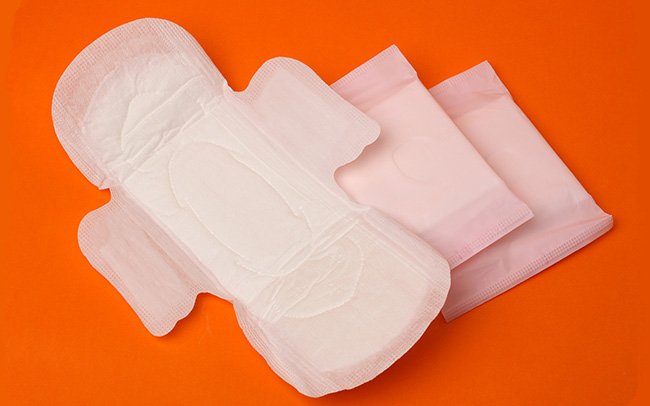
Vaginal bleeding after birth is referred to as lochia, which is a mix of blood and other products from inside the uterus. This can be quite heavy at first, requiring several sanitary pad changes a day. After the first week the lochia slows down and becomes pink/light brown in colour. This loss will normally disappear by four weeks after birth.
Any large clots, silky membranes, sudden heavy bleeding or an offensive smell may be a sign that something is wrong and should be discussed with your midwife or GP urgently.
Some bleeding after birth is normal – this is recorded in your notes as estimated blood loss (EBL).
Vaginal bleeding after birth is referred to as lochia, which is a mix of blood and other products from inside the uterus. This can be quite heavy at first, requiring several sanitary pad changes a day. After the first week the lochia slows down and becomes pink/light brown in colour. This loss will normally disappear by four weeks after birth.
Any large clots, silky membranes, sudden heavy bleeding or an offensive smell may be a sign that something is wrong and should be discussed with your midwife or GP urgently.


