The milk that your breasts first produce is called colostrum, and this will be present in the breast from mid-way through your pregnancy. Colostrum helps protect your baby from allergies and disease. Colostrum is concentrated breastmilk that comes in tiny amounts which is sufficient for the baby for the first three days.Around three days after birth, the colostrum changes and becomes mature milk – and this change may make your breasts feel heavy and tender.Engorgement is common and can happen when your milk “comes in” or if your breasts become over full of milk, especially when your baby is not latched on to the breast effectively. Engorgement can be relieved with frequent breastfeeding. If your breasts feel so full that your baby is unable to take the breast, try hand expressing a little of your milk before attempting to latch baby to the breast. See How to hand express.If your breasts are not relieved by feeding and hand expressing, seek help urgently. See Help with breastfeeding.Engorged breasts can progress to mastitis rapidly. Mastitis is an infection that can occur when milk ducts become blocked. Additional symptoms include a high temperature, and or lumps in your breasts that are hot, red and painful.
If you are experiencing symptoms of mastitis contact your midwife, GP or the maternity triage/assessment centre where you gave birth urgently.

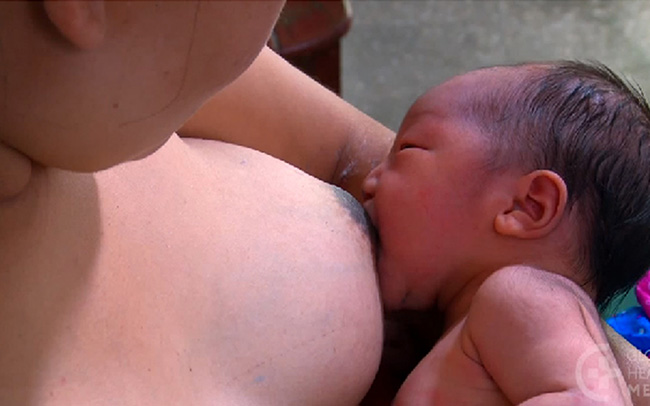 The milk that your breasts first produce is called colostrum, and this will be present in the breast from mid-way through your pregnancy. Colostrum helps protect your baby from allergies and disease. Colostrum is concentrated breastmilk that comes in tiny amounts which is sufficient for the baby for the first three days.
Around three days after birth, the colostrum changes and becomes mature milk – and this change may make your breasts feel heavy and tender.
Engorgement is common and can happen when your milk “comes in” or if your breasts become over full of milk, especially when your baby is not latched on to the breast effectively. Engorgement can be relieved with frequent breastfeeding. If your breasts feel so full that your baby is unable to take the breast, try hand expressing a little of your milk before attempting to latch baby to the breast. See How to hand express.
If your breasts are not relieved by feeding and hand expressing, seek help urgently. See Help with breastfeeding.
Engorged breasts can progress to mastitis rapidly. Mastitis is an infection that can occur when milk ducts become blocked. Additional symptoms include a high temperature, and or lumps in your breasts that are hot, red and painful.
If you are experiencing symptoms of mastitis contact your midwife, GP or the maternity triage/assessment centre where you gave birth urgently.
The milk that your breasts first produce is called colostrum, and this will be present in the breast from mid-way through your pregnancy. Colostrum helps protect your baby from allergies and disease. Colostrum is concentrated breastmilk that comes in tiny amounts which is sufficient for the baby for the first three days.
Around three days after birth, the colostrum changes and becomes mature milk – and this change may make your breasts feel heavy and tender.
Engorgement is common and can happen when your milk “comes in” or if your breasts become over full of milk, especially when your baby is not latched on to the breast effectively. Engorgement can be relieved with frequent breastfeeding. If your breasts feel so full that your baby is unable to take the breast, try hand expressing a little of your milk before attempting to latch baby to the breast. See How to hand express.
If your breasts are not relieved by feeding and hand expressing, seek help urgently. See Help with breastfeeding.
Engorged breasts can progress to mastitis rapidly. Mastitis is an infection that can occur when milk ducts become blocked. Additional symptoms include a high temperature, and or lumps in your breasts that are hot, red and painful.
If you are experiencing symptoms of mastitis contact your midwife, GP or the maternity triage/assessment centre where you gave birth urgently.


