
What happens if my baby is born prematurely?
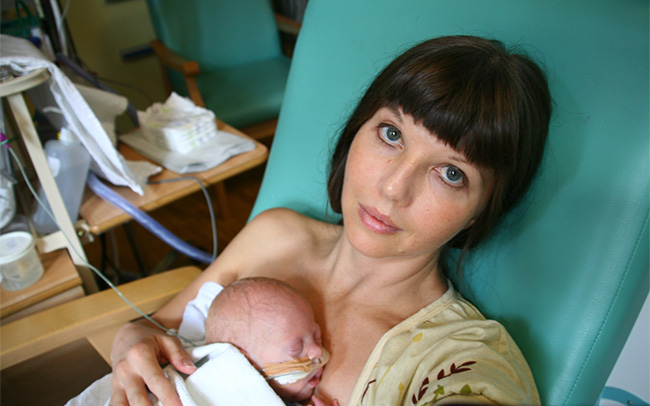 Babies born before 34 weeks are likely to need extra help with breathing, feeding and keeping warm, and would therefore be transferred to the neonatal unit for care. This care is provided by a highly skilled neonatal team. Your baby may need to be in an incubator, however once they are stable you should be able to hold them and have skin-to-skin contact.
A delay in clamping the umbilical cord for up to one minute after birth is recommended for most preterm babies, unless there is urgent need to pass the baby to the care of the baby doctor (paediatrician).
There are other reasons that might mean delayed cord clamping is not possible. These are:
Babies born before 34 weeks are likely to need extra help with breathing, feeding and keeping warm, and would therefore be transferred to the neonatal unit for care. This care is provided by a highly skilled neonatal team. Your baby may need to be in an incubator, however once they are stable you should be able to hold them and have skin-to-skin contact.
A delay in clamping the umbilical cord for up to one minute after birth is recommended for most preterm babies, unless there is urgent need to pass the baby to the care of the baby doctor (paediatrician).
There are other reasons that might mean delayed cord clamping is not possible. These are:
- you have monochorionic twins (identical twins that share a placenta)
- trauma to the cord, such as a snapped cord
- you have HIV with a high viral load
- the baby is not breathing or has a very low heart rate
- you need to be resuscitated.
From Bump to Breastfeeding Extra: Breastfeeding your sick or preterm baby
Once your baby/babies can breathe on their own, feed via the breast or bottle and have gained weight, you will be able to take them home. This can often take several weeks if your baby was born extremely preterm.
You will be supported by the maternity team whilst you and your baby remain in the maternity unit. There are also many organisations that provide support to parents of preterm babies.
Reducing cerebral palsy in pre-term babies


